Contact Info

Beat Chronic Disease with Amazonian Herbs

Beat Chronic Disease with Amazonian Herbs

If you’re living with a chronic illness — or caring for someone who is — you know how complicated it can be. Pills help, but they don’t fix everything. Some days your body just won’t cooperate. You manage the symptoms, but deep down, you wonder if there’s more you could do.

The fact is that our modern western medicine is great in giving solutions to acute problems. If you have a life-threatening injury or acute apendicitis, modern medicine is great. For the treatment of long-developing chronic disease, those brought upon us by our sedentary lifestyles full of stress, sugar and caffeine, western medicine can aleviate symptoms – at the best. Most of us will eventually die of heart disease or cancer anyway…

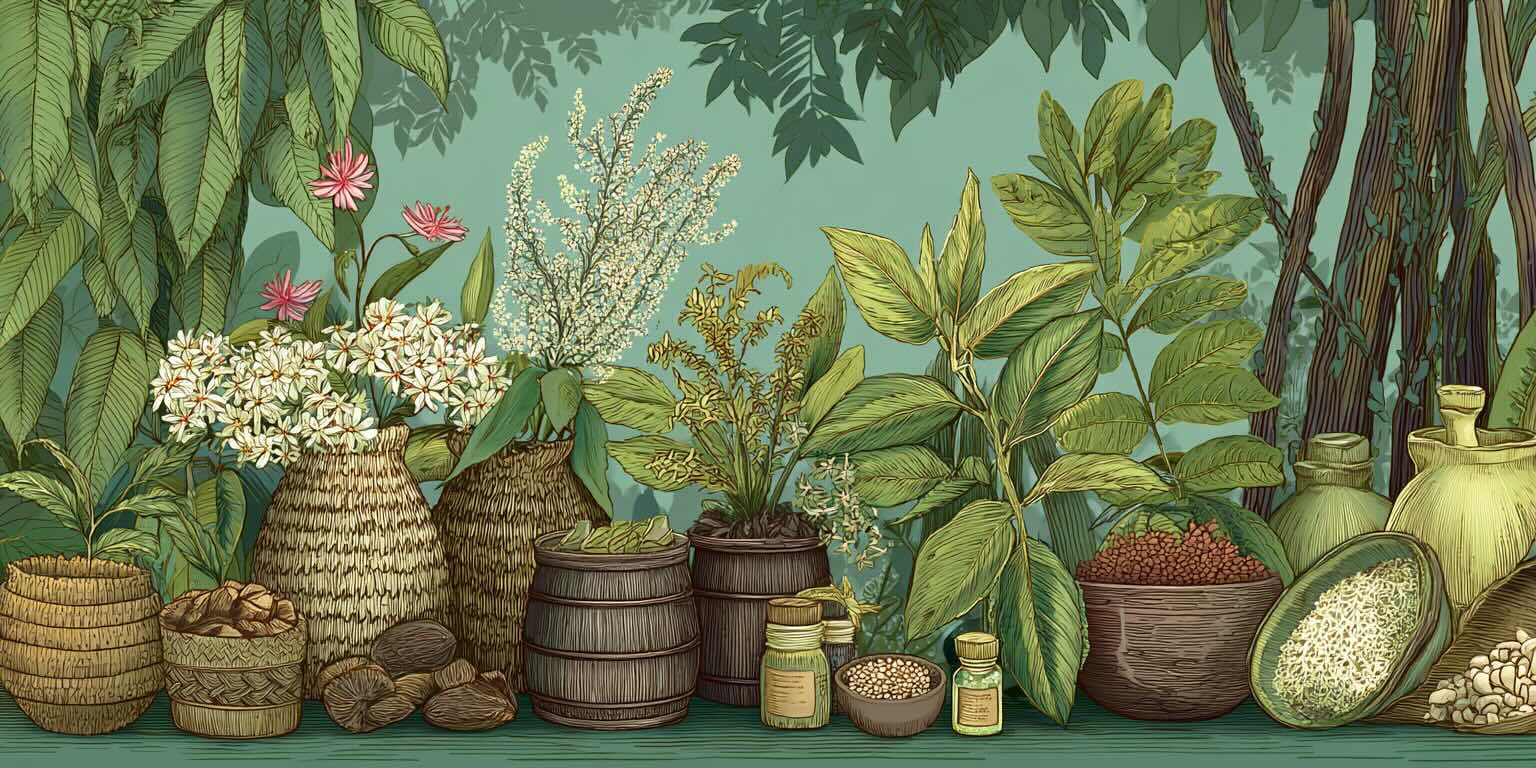
That’s where Amazonian herbs can offer something different. Unlike most medications, which are designed to target one chemical pathway, herbs often work in a broader, more gradual way. They support the whole system — the immune system, the digestive tract, the liver, the heart — all at once.

This isn’t about rejecting medicine. It’s about adding tools that support your body’s capacity to function better — over time, from the inside.

Jungle is the answer, amigo

When I was younger, I thought of the rainforest as just a sea of green on a map — a faraway place filled with strange animals and impossible rivers. But as I started to learn more about health and natural medicine, I kept hearing one phrase again and again: “The Amazon is the pharmacy of the planet.”

And it’s true. In the thick heat of that forest, among millions of species, grow some of the world’s most potent healing plants. These herbs aren’t just for fighting off a cold or settling a stomach. Many of them have been used for generations to help people manage long-term illnesses — what we now call chronic diseases: diabetes, arthritis, high blood pressure, cancer, and immune conditions.

People from Amazonian communities didn’t use lab tests or blood pressure monitors, but they noticed patterns: when someone grew tired all the time, when wounds didn’t heal, when joints swelled for months. And they noticed which plants helped.

Today, science is catching up.

Six Amazonian herbs that can make a difference

  1. Lapacho (Pau d’Arco): The inner strength bark

Imagine someone bringing you a cup of warm, reddish tea made from tree bark. It smells earthy, and the taste is surprisingly mild. That’s Lapacho, and it’s been used for hundreds of years by tribes across South America.

People drink it when they’re weak from illness, when infections won’t go away, or when inflammation flares up in the joints. I once met a woman who started drinking Lapacho tea daily after chemo. She said it didn’t make the fatigue vanish — but it helped her feel “more like herself again.”

Modern research shows Lapacho contains compounds that fight inflammation and slow the growth of some abnormal cells. It’s not a miracle cure, but it’s a reliable ally for anyone facing long-term health stress.

  1. Camu Camu: A small fruit with big power

Have you ever held something the size of a cherry that holds more vitamin C than twenty oranges? That’s Camu Camu, a sour Amazonian fruit that grows along flooded riverbanks.

In Peru, locals drink it as juice. It’s sharp, but refreshing — and it helps fuel the immune system, protect the body from stress, and support healthy blood sugar.

One man with Type 2 diabetes I spoke to began adding Camu Camu powder to his smoothies. His goal wasn’t to replace medication — it was to strengthen his system. After a few months, his energy levels improved, and his doctor lowered his dosage.

  1. Cat’s Claw (Uña de Gato): The pain-relief vine

When your joints ache day after day, it wears you down — physically and mentally. That’s where Cat’s Claw can help. This vine winds its way through the rainforest, gripping with curved thorns.

People use it to calm inflammation, especially in autoimmune diseases like rheumatoid arthritis or Crohn’s. Scientists believe it helps modulate how the immune system reacts.

A friend of mine with lupus started taking it in tea form. It didn’t erase her symptoms, but it reduced her flares — and it gave her hope that she could have some control over her condition.

  1. Graviola (Soursop): For the immune-challenged

This fruit looks like a green porcupine. Inside, it’s soft and sweet. But beyond the fruit, the leaves and bark of the Graviola tree are used in teas to help fight infections and strengthen weak immune systems.

In some experimental studies, compounds from Graviola have shown potential to inhibit tumor cells. This has drawn interest from cancer researchers, although more human trials are needed.

People also use Graviola to support digestion and relieve anxiety — two things that often accompany chronic disease. One woman I met in Brazil made it part of her routine after a major surgery. She said it helped her body “feel less under attack.”

  1. Açaí: Not just a trendy bowl

You’ve seen the purple bowls topped with bananas and granola. But long before it was on Instagram, Açaí was a staple food for river communities in the Amazon.

It’s rich in anthocyanins, antioxidants that help protect blood vessels and reduce inflammation. This makes it especially useful for people with heart conditions, high cholesterol, or even brain fog from chronic stress.

Açaí doesn’t just taste good — it’s food that strengthens from the inside.

  1. Jatobá: The tired person’s tree

Have you ever been so tired for so long that you forget what energy feels like? That’s how one teacher with fibromyalgia described it to me. She started using Jatobá bark tea on the advice of a herbalist. After a few weeks, she said she still had pain, but she didn’t feel drained all the time.

Jatobá is used in the Amazon as a general tonic. It’s not a stimulant like caffeine, but a plant that helps restore vitality. If you’ve had a long illness and want to rebuild your strength, it’s worth knowing about.

Where modern science meets forest wisdom

Some people worry that using herbs means turning away from science. The truth is, we’re now proving scientificallywhat traditional people already observed. Camu Camu lowers inflammation. Lapacho helps the immune system. Cat’s Claw modulates immune responses.

But it’s not always simple. Herbs can interact with medications. The quality of supplements varies. And not every body responds the same way. That’s why it’s so important to use herbs thoughtfully — and ideally with professional guidance.

If you’re already taking medication for a chronic illness, talk to a doctor or qualified herbalist. Combining the old and new — respectfully — gives you the best chance at better outcomes.

Final thoughts: One step at a time

When people hear about natural remedies, they often want fast answers. But chronic disease doesn’t work that way. It’s a long road, and healing often happens slowly — not in leaps, but in steps.

Amazonian herbs aren’t magic bullets. They’re tools — tools that work best when they’re part of a bigger pattern: eating well, sleeping better, reducing stress, moving your body, connecting with others.

I’ve seen herbs help people regain control over their health. I’ve seen them bring relief where nothing else could. And perhaps most important of all, I’ve seen them restore a sense of possibility — that your body can still respond, can still heal, even when things feel stuck.

So whether it’s a cup of Lapacho tea at night or adding Camu Camu to your smoothie in the morning, maybe the forest has something to offer you, too.

Leave a Reply