Contact Info

Lapacho: My Journey into the Healing Bark of the Amazon

Lapacho: My Journey into the Healing Bark of the Amazon

(Guest article by Jakob Steen)

I remember the first time I saw a Lapacho tree like it was yesterday. We were deep in the Amazon, following the fading tracks of a lowland tapir along a moss-covered path, when our guide pointed to a towering tree with bark the color of burnt cinnamon. It stood proudly among its neighbors, its roots gripping the red earth like fingers of a giant, its branches home to toucans and darting insects. That was my introduction to Handroanthus impetiginosus, known more widely as Lapacho—a tree sacred to the indigenous peoples of South America, and now, to me as well.

In that moment, I didn’t yet grasp what a powerful presence this tree held in the narrative of Amazonian healing. But over time, and through many conversations with shamans, botanists, and healers, I came to understand why Lapacho is so much more than just a tree. It is a pharmacy in itself, a guardian of ancient knowledge, and a bridge between nature and health that stretches across cultures and centuries.

The Bark of the Ancients

Lapacho is sometimes called the “tree of life,” and rightly so. The inner bark has been used for generations by tribes such as the Guaraní, Tupi, and Inca descendants. It was their go-to remedy for a wide range of ailments: infections, fevers, ulcers, respiratory problems, and even certain forms of cancer. They didn’t need clinical trials to know it worked—they had observation, intuition, and centuries of experience.

The Inca, in particular, held Lapacho in high esteem. The bark was reserved for priests and warriors, for healing both the physical body and the spiritual one. It was believed that Lapacho didn’t just cleanse the blood, it cleansed the soul. In shamanic rituals, the bark was brewed into tea and drunk during ceremonies meant to restore harmony between body and spirit. I recall sitting through one of these ceremonies in a Quechua community nestled near the foothills of the Andes. The tea was bitter, almost metallic, but it left a warmth in my chest and clarity in my mind that lingered for hours.

Phytochemistry and Modern Marvels

Fast forward to today, and science is finally catching up to the knowledge that forest peoples have carried for centuries. Lapacho contains two key compounds: lapachol and beta-lapachone. These naphthoquinones have shown anti-inflammatory, antifungal, antiviral, and even anti-cancer properties in lab studies.

Lapachol, in particular, has caught the attention of researchers for its ability to inhibit the growth of certain tumors and parasites. While more studies are needed to evaluate its safety and efficacy in humans, early findings are promising. Beta-lapachone, on the other hand, is being studied for its role in triggering cell death in certain types of cancer cells while sparing healthy tissue.

But Lapacho isn’t just a potential cancer fighter. It’s also been found to have antioxidant properties, supporting immune function and protecting cells from oxidative stress. Some studies suggest that regular consumption of Lapacho tea can help manage chronic conditions like arthritis, diabetes, and even digestive disorders. It’s as if nature packed a miniature laboratory into the layers of this humble bark.

From Forest to Teacup

One of my favorite rituals is brewing a pot of Lapacho tea. I’ll take a handful of shredded inner bark, usually bought from a fair-trade herbalist who sources it directly from indigenous cooperatives, and let it simmer in water for 15 to 20 minutes. The resulting brew is earthy, slightly woody, and tinged with a natural sweetness that lingers on the tongue.

I find the tea grounding. It slows me down, connects me to something older than myself. Sometimes I drink it to soothe a sore throat. Other times it’s simply to remember the stillness of the jungle, the rustle of leaves, the solemnity of the Lapacho tree standing watch.

An Ecological and Cultural Keystone

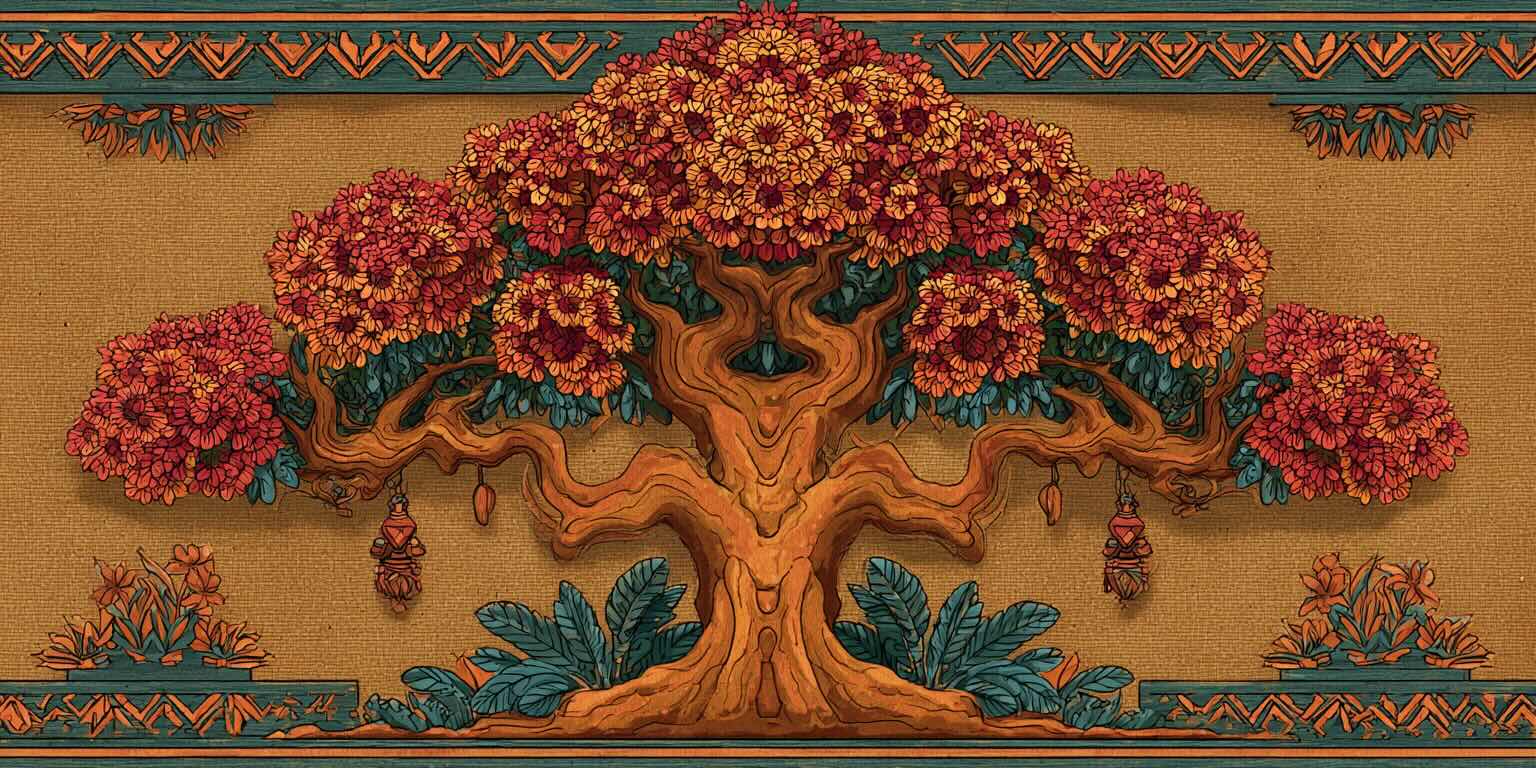
Lapacho is not just medicine. It’s also a vital part of the ecosystem. Its bright, trumpet-shaped flowers burst forth in yellow or purple depending on the species, often when the rest of the forest is drab and dry. These blossoms attract bees, hummingbirds, and butterflies, offering crucial nectar during lean seasons. Lapacho trees help stabilize soil and create microhabitats for dozens of species.

But its ecological and cultural importance also makes it vulnerable. Unsustainable harvesting—especially the indiscriminate removal of bark—can harm the tree or even kill it. That’s why community-led conservation is so important. In some areas of Brazil, Bolivia, and Peru, indigenous and local groups are working to cultivate Lapacho in managed forests. They harvest only the inner bark from mature trees, using sustainable methods passed down through generations.

I once joined a group of local women who ran a cooperative in Acre, Brazil. They taught me how to gently remove the bark in narrow strips, ensuring the tree could regenerate. They laughed when I clumsily fumbled with the machete, but they also spoke passionately about how Lapacho had supported their families both as medicine and as income. “We don’t take more than we need,” one said. “This tree has taken care of us. We must take care of it.”

The Spiritual Dimension

There is a spiritual resonance in Lapacho that is difficult to articulate but impossible to ignore. Many people I met described it as a tree with a soul. In traditional belief, each Lapacho tree is inhabited by a spirit that watches over the forest. Shamans will often ask permission before harvesting the bark, offering tobacco or song in return.

In one remote Kichwa village, I witnessed a blessing ceremony performed before the annual harvest. The community elder placed his hand on the tree’s bark and whispered a prayer, asking for continued health and guidance. This wasn’t just about extracting resources. It was a dialogue, a relationship built on reciprocity.

A Global Future Rooted in Tradition

As interest in herbal medicine grows around the world, Lapacho is beginning to appear on shelves far from the Amazon. You might find it labeled as Pau d’Arco, Taheebo, or simply “purple lapacho tea.” But with that popularity comes responsibility. Ethical sourcing, cultural respect, and environmental protection must be part of Lapacho’s story moving forward.

For me, Lapacho is more than a curiosity or a natural remedy. It is a reminder that wisdom doesn’t always come from textbooks or laboratories. Sometimes it comes from a tree, standing quietly in the forest, holding stories in its bark and medicine in its core.

And every time I brew its tea, I feel those stories steep into the water, reminding me that healing is as much about connection as it is about chemistry. Lapacho has taught me that plants are not commodities; they are companions—and sometimes, they are teachers.

Leave a Reply