Contact Info

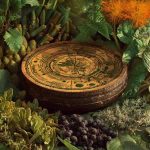
Herbal formulas preparation

When To Use Herbal Formulas

What to Use in Herbal Formulas? The Wisdom of Amazonian Herb Blends

Across centuries and continents, indigenous cultures have demonstrated that the most effective healing systems aren’t based solely on a single plant or remedy. Instead, they utilize complex, carefully crafted herbal formulas—mixtures designed to work synergistically. Among the richest sources of this knowledge is the Amazon rainforest, where countless herbs have been used in combination to promote health, detoxify the body, and restore spiritual harmony.

In today’s world, whether you’re a practitioner, a health-conscious individual, or simply curious about natural healing, understanding why and how herbal mixtures are more potent than single herbs can open doors to more effective, holistic approaches. Let’s explore why plant combinations matter so much, how they elevate healing, and what lessons we can draw from other traditions like Traditional Chinese Medicine (TCM) and Ayurveda.


The Wisdom of the Whole: Why Mixtures Are More Than Just a Collection of Herbs

It’s tempting to think that a single herb, like Chuchuhuasi or Uña de Gato, can be a miracle cure. And to be fair, these individual plants are mighty—they contain potent phytochemicals that fight inflammation, boost immunity, and support tissue repair. But indigenous healers have long understood, painfully through trial and error, that the true magic lies in the blend.

Why? Because of synergy.
Synergy means that herbs can enhance, complement, and amplify each other’s effects, creating a holistic therapy capable of addressing multiple layers of health. For example, a plant known for detoxification may work better when paired with one that boosts immune response; one that promotes emotional balance may temper the strong potency of another. In traditional Amazonian recipes, this balancing act is everything.

Additionally, the combination of herbs can:

  • Balance energetic qualities: Some herbs are stimulating, others are calming. When combined, they promote harmony, not overstimulation.
  • Support multiple body systems: Digestion, immune, nervous system—these are interconnected. Mixtures aim to treat the person holistically.
  • Reduce side effects: Potent herbs can sometimes cause discomfort if used alone. Combining them with milder plants creates a gentler, tolerable preparation.

The old saying in herbalism: “The whole is greater than the sum of its parts.” Indigenous Amazonian healers embody this philosophy, blending plants based on generations of empirical wisdom.


The Art and Science of Formulating Effective Herbal Mixtures

Creating a potent herbal formula isn’t just throwing herbs together. It’s an art that requires deep knowledge of each plant’s properties, their interactions, and the nature of the imbalance you wish to correct.

Here are some guiding principles:

  • Identify the primary goal: Is the formula aimed at detoxification, inflammation reduction, immune enhancement, or spiritual cleansing?
  • Select complementary herbs: Use plants with matching properties—stimulating and relaxing herbs, for example, or herbs that detoxify and regenerate tissue.
  • Balance energetic qualities: If one herb is heating or stimulating, pair it with a calming plant to create harmony.
  • Consider preparation methods: Decoctions, infusions, tinctures, or topical applications influence how herbs work together.

Indigenous Amazonian healers spend years honing these recipes through experience, observation, and respect for tradition. Today, modern herbalists seek to learn from this wisdom, combining it with scientific research.


Lessons from Other Traditional Systems: TCM and Ayurveda

The importance of herbal synergy isn’t unique to Amazonian medicine. Some of the world’s most advanced and holistic systems—Chinese Medicine and Ayurveda—have practiced the art of formula-building for millennia:

  • Traditional Chinese Medicine (TCM):
    TCM herbal formulas blend dozens of herbs, each serving a specific role: Sovereign herbs target the main imbalance, Minister herbs support or complement, and Assistant herbs help harmonize or eliminate side effects. Famous formulas like Yin and Yang balancing blends or the detoxifying Triphala show how careful combinations promote health.
  • Ayurveda:
    Ayurvedic formulas, like Guggulu or Triphala, combine herbs that detoxify, rejuvenate, and balance energies (doshas). The focus is on synergistic action—herbs working together to restore deep systemic harmony.

The common thread:
Across cultures, herbal synergy has been the foundation of holistic health. Modern science is now beginning to validate these centuries-old practices, discovering that different herbs can enhance each other’s bioactivity.

By David Alner

Indigenous Amazonian healers spend years honing these recipes through experience, observation, and respect for tradition.


Why Focus on Mixtures? The Science Behind Synergy

Recent scientific studies provide insights into why herbal mixtures tend to be more effective than single plants:

  • Amplified effects: When certain phytochemicals are combined, they can produce greater antioxidant, anti-inflammatory, or antimicrobial activities than each herb alone.
  • Multi-target approach: Complex formulas can simultaneously support multiple pathways—immune modulation, detoxification, tissue regeneration—addressing the root causes of illness rather than just symptoms.
  • Reduced toxicity: Potent herbs may cause side effects if used alone. Combining with milder plants allows for therapeutic effects with fewer adverse reactions.
  • Enhanced bioavailability: Some herbs improve absorption or utilization of active compounds from others.

One example from science:
“Synergy among herbal components results in increased bioactivity, demonstrating that combination therapy can be more effective than monotherapy” (Nair & Johnson, 2016).


Practical Implication: Crafting Effective Herbal Formulas

The indigenous Amazonian approach is not just about herbal ingredients but about intent, balance, and respect. When creating or choosing herbal mixtures:

  • Align with the goal: Whether detox, boost immunity, or spiritual cleansing, select complementary herbs.
  • Respect the plant’s spirit: Indigenous traditions believe plants carry wisdom. The ritual of preparation and intention amplifies effects.
  • Source responsibly: Ethical harvesting supports sustainability and respects local cultures.

Modern herbal practitioners draw from this ancestral wisdom, integrating scientific findings with traditional knowledge for safe and effective formulations.

Herbal formulas preparation

The Challenge and the Promise

Despite the promising potential of Amazonian herbs for supporting health and detoxification, rigorous scientific validation is still emerging. Most studies are preliminary—cell cultures or animal models—highlighting their biological potential, but human trials are scarce.

Until we have conclusive evidence, it’s best to view these plants as powerful allies—supporting the body’s natural healing forces when used responsibly and with respect for their sacred origins.


Final Reflection: Returning to Nature’s Wisdom

The Amazon rainforest is a living pharmacy filled with plants that have supported human health for millennia. Their real strength lies in their synergy, their ability to work in harmony—not only with each other but with our body’s innate systems.

In a time when healthcare seeks more holistic approaches, traditional Amazonian herbal mixtures remind us that nature’s wisdom—which has guided indigenous healers for generations—might hold keys to healing that modern science is only beginning to understand.

Respect for indigenous knowledge, combined with scientific inquiry, can open new horizons for health, healing, and balance—an enduring legacy from the heart of the Amazon.

Leave a Reply