Contact Info

detox herbs

How Amazonian Tribes Use Detox

How the Amazonian Tribes Use Detox: An Ancient Path to Healing and Balance

Deep within the lush, sprawling forests of the Amazon, indigenous peoples have cultivated a profound understanding of health, vitality, and harmony with nature for thousands of years. Their approach to health is holistic—combining physical, emotional, spiritual, and ecological elements—embedded in a worldview where human beings are part of the web of life, not separate from it. Central to this worldview is the practice of detoxification, not solely as a physical cleansing but as a sacred process of restoring balance and harmony within the individual and their community.

Today, in a world that often separates body from spirit, modern sciences, and wellness practices are beginning to recognize the wisdom of these traditions. But for the Amazonian tribes, detox isn’t a recent trend—it’s a way of life, rooted in centuries of cultivation, ritual, and respect for nature’s gifts.


The Long Tradition of Sacred Cleansing

Indigenous tribes see health as an intricate balance between various forces: physical, energetic, spiritual, and communal. When that balance is disturbed—by illness, emotional trauma, negative energies, or disharmony with the environment—they believe it manifests as sickness. Detox, therefore, is more than just drinking herbs; it’s a spiritual reset, a purification of the soul that involves the whole person.

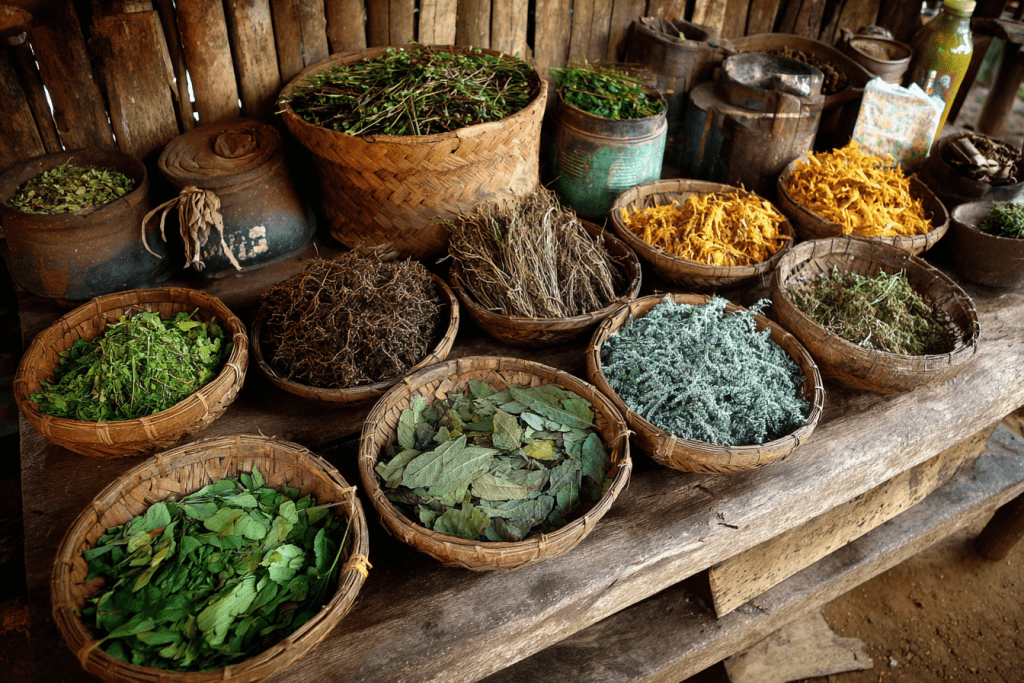
In traditional Amazonian healing, plant medicines—”plantas maestras” (master plants)—are regarded as guides and teachers. These plants aren’t seen solely as biochemicals but as sacred entities with spirits that communicate and help individuals release blockages, negative energies, and toxins accumulated over time.

For centuries, shamans—spiritual guides and healers—have led ceremonies where herbal infusions, prayers, songs (icaros), and rituals work synergistically to purge physical toxins and energetic disturbances. These ceremonies often take place in the context of a plant dieta— a sacred diet or fasting period where individuals abstain from certain foods and habits to deepen their connection, both physically and spiritually.


The Core Plants of Amazonian Detox

Detox, in its simplest form, is the process of cleansing the body—and by extension, the soul—often through vomiting and bowel movements. To achieve this, a variety of emetics (vomit-inducing agents), laxatives, and purgatives are traditionally used. The sacred Ayahuasca brew is renowned for its detoxifying effects—though it may or may not induce vomiting or purging—yet many other Amazonian herbs are also employed for this rapid cleansing process.

A gentler, more sustained approach to detoxification is possible through the use of specific plants, which promote long-term cleansing and balance. Examples include:

1. Chuchuhuasi (Maytenus krukovii)

  • Known as the “Tree of Life,” its peeling bark is used as an anti-inflammatory agent and detoxifier.
  • It helps eliminate toxins from joints, muscles, and organs, while supporting tissue repair.

2. Sangre de Grado (Croton lechleri)

  • The red resin, called “Dragon’s Blood,” is renowned for its wound healing, antimicrobial, and detox properties.
  • It supports tissue regeneration and blood purification, aiding in recovery from infections and internal imbalances.

3. Uña de Gato (Uncaria tomentosa)

  • This “Cat’s Claw” stimulates the immune system and reduces systemic inflammation, helping the body detoxify naturally through blood and lymphatic systems.
  • Also supports digestive health, critical for removing internal toxins.

4. Pasuchaca (Geranium spp.)

  • Traditionally used to treat parasites, infections, and to support digestion.
  • It acts as a blood purifier and intestinal cleanser.

5. Cabuya (Cabuya spp.)

  • A medicinal vine used internally and topically to promote cleansing and inflammation reduction.

6. Guayusa (Ilex guayusa)

  • A stimulating, antioxidant-rich leaf tea that supports energy, alertness, and metabolic cleansing.

Rituals and Ceremonies: The Sacred Art of Detox

In Amazonian cultures, plant medicines are embedded in ritual, prayer, and song, emphasizing respect and a sacred relationship with nature. The process of detoxification often involves:

  • Plant-based ceremonial fasting: Participants abstain from certain foods, alcohol, or drugs to deepen the connection and facilitate internal release.
  • Ceremonial ingestion of master plants: The brew, often Ayahuasca or similar plant mixtures, is taken under shaman guidance to access spiritual realms and initiate deep healing.
  • Spiritual cleansing: Using smoke (copal, kene), sound (icaros, drums), and prayer to clear negative energies and restore harmony.
  • Visualizations and journeys: The visions experienced during ceremonies are seen as messages from spirits or ancestors, guiding the individual’s healing process.

The Role of “Plantas Maestras”

The concept of “plantas maestras” (master plants) is central: these sacred plants are seen as guides for personal transformation. They teach, heal, and dissolve blockages—physical and spiritual—allowing old wounds and negative energies to be released.

Healing is seen as a journey that involves the person, the plant spirits, and the Earth itself.

By David Alner

“When we clean our body, we remove what harms, but also we open ourselves to higher wisdom—guiding us back to harmony.”

The Spiritual Depth of Amazonian Detox

In Amazonian cultures, detox isn’t merely seen as a physical practice; it’s a profound spiritual journey. Many ceremonies aim to reconnect individuals with their ancestors, nature spirits, and the divine forces that sustain life. These sacred rituals foster a sense of belonging, purpose, and harmony, emphasizing that health is a reflection of one’s relationship—not just with the body, but with the environment, community, and cosmos.

One shaman explains:
“Our plants are teachers and guardians. They teach us about balance, healing, and respect. When we clean our body, we remove what harms, but also we open ourselves to higher wisdom—guiding us back to harmony.”

Through this lens, detox becomes a process of purifying not only the body but also the soul, releasing emotional burdens, ancestral traumas, and negative energies that block health.


The Role of Diet and Connection with Nature

Integral to Amazonian detox traditions are plant diets—sacred periods of abstinence from certain foods, behaviors, and substances. During these times, the focus is on simple, natural foods, often supplemented by herbal teas, bitter tonics, and bitter herbs—a concept rooted in the idea that “bitter is better,” stimulating digestion, liver function, and purification.

This holistic approach emphasizes practice, ritual, and intention. It’s about restoring inner harmony by aligning with nature’s cycles, respecting the land, and honoring all beings as part of a shared web of life.

detox herbs

Modern Relevance and Respect for Tradition

Today, the resurgence of interest in indigenous Amazonian medicine offers an opportunity to honor centuries of accumulated knowledge. Scientists and wellness practitioners increasingly recognize that these traditional plants and rituals provide powerful models for holistic health, which modern medicine often overlooks.

However, it’s vital to approach these practices with respect, humility, and acknowledgment of their cultural roots. Extracting plants without understanding their spiritual significance can diminish their power and disrespect the communities who have safeguarded this knowledge.

Responsible Use and Ethical Considerations

  • Sustainable harvesting: Protecting the rainforest while benefiting from its medicines.
  • Cultural respect: Supporting indigenous communities and their rights to their plant knowledge.
  • Integrative approach: Using herbal detox alongside medical treatments under professional guidance.

The Takeaway: A Journey into Balance

The Amazonian tribes’ approach to detox is much more than a fleeting trend or herbal cocktail; it is a deeply spiritual, holistic system of health—centered around respect for nature, honoring ancestral wisdom, and nurturing harmony between body, spirit, and environment.

While modern science is unraveling some of the biochemical secrets of these plants, the true power of Amazonian detox lies in cultural memory, reverence, and the sacred relationship with nature. It teaches us that healing is a journey—not only of the body but also of consciousness, rooted in humility and profound respect for life’s interconnectedness.

Leave a Reply