

AÇAÍ

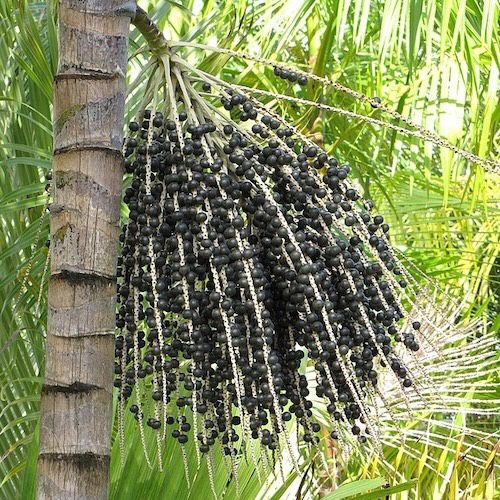
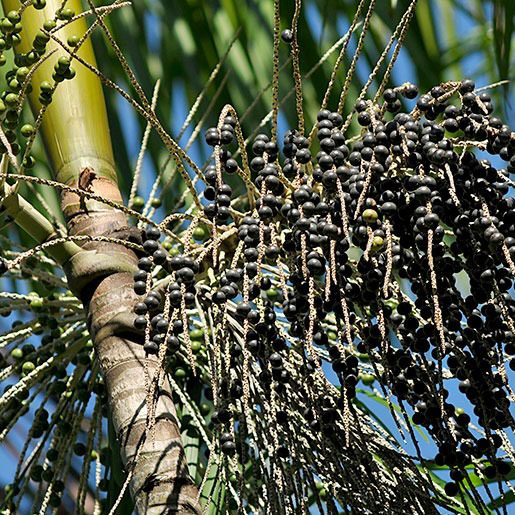
Botanical name:
Euterpe oleracea
Alternative names:
Acaizeiro, Acai-do-Para, Asai, Ashai, Assa, Cabbage palm, Cansin, Chonta, Guasai, Hasabis, Hausai, Huai, Jicara, Jucara, Manac, Manaka, Manicole, Morroke, Naidi, Palisade pine, Palmito, Palmiteiro, Panan, Pina, Pinau, Pinot, Piria, Prasara, Sake, Uassi, Ungurahua, Wasei, Wapoe, Yisara, Yuyu chonta
Main indications:
hepatitis, jaundice
diabetes
malaria
kidney problems
hair loss
parasitic infection
peptic ulcers
Short characteristics:
Acai (Euterpe oleracea) is a traditional Amazonian fruit celebrated for its powerful antioxidant, anti-inflammatory, and cardiovascular benefits. Rich in anthocyanins, flavonoids, healthy monounsaturated fats, vitamins, and minerals, it supports reducing oxidative stress, slowing cellular aging, lowering cholesterol and triglycerides, and improving blood flow. Indigenous communities have used acai for centuries to detoxify the blood, support digestive health, boost energy, and promote overall vitality. Scientific studies validate these effects, showing acai’s potential to protect against oxidative damage, support heart health, and reduce inflammation, making it a natural superfood rooted in both tradition and modern health science.
Acai tree (Euterpe oleracea) is a close relative to another Amazonian medicinal plant, the Wasai (Euterpe edulis) – a palm with typical red roots used mostly to treat kidney problems.
The usual way of use:
Used as a fruit juice.
Composition
The nutrient and phytochemical profile of acai underpins its medicinal effects:
- Antioxidants: Acai berries are rich in anthocyanins (notably cyanidin-3-glucoside), flavonoids (such as quercetin and orientin), and polyphenols, which combat oxidative damage and slow aging.
- Healthy fats: Approximately 7-11% of acai’s weight is fat, mainly monounsaturated fatty acids like oleic acid, supporting heart health and cellular function.
- Vitamins and minerals: It contains vitamins A, C, E, and B-complex, along with minerals such as calcium, potassium, phosphorus, and iron, that support immunity, bone health, and metabolic processes.
- Dietary fiber: Supporting digestive health, reducing cholesterol, and improving gut flora balance.
The high concentration of antioxidants and healthy fatty acids makes acai an excellent agent for fighting free radicals and supporting cardiovascular health.
Traditional Use
Indigenous peoples in the Amazon have utilized acai for various health purposes for generations:
- Cardiovascular health: Its antioxidant-rich fruit helps slow cell aging, reduce oxidative stress, prevent arteriosclerosis, and combat high cholesterol.
- Blood purification: Acai is traditionally used to detoxify the blood and cleanse the liver, promoting internal harmony and immune defense.
- Digestive aid: The fiber content helps regulate bowel movements, reduce inflammation in the gut, and treat diarrhea or gastric discomfort.
- Energy and vitality: Its nutritious profile boosts stamina and supports recovery from illness or exertion.
- Eye health: The antioxidants support visual health and may help prevent age-related eye diseases.
- Anti-aging: Its ability to neutralize free radicals helps slow cellular deterioration, maintaining youthful vitality.
In local communities, acai is traditionally enjoyed as a juice, in porridge, or as a snack, often combined with other local ingredients for health and energy.
Precautions and Possible Interactions
Acai is generally considered safe for most people when consumed in traditional amounts:
- No known major contraindications: There are no significant known drug interactions.
- Allergic reactions: Rare but possible in individuals sensitive to berries or foods with similar compounds.
- Pregnancy and breastfeeding: Limited scientific data; consult a healthcare provider if pregnant or nursing.
- Overconsumption: Since acai contains fats and calories, excessive intake should be moderated, especially for those managing weight or blood lipid levels.
As with any superfood, balance and moderation are key, and it is advisable to choose authentic, minimally processed acai products.
Available Scientific Studies
Recent scientific research increasingly supports many traditional claims:
1. Antioxidant Capacity of Freeze-Dried Acai
Title: Antioxidant Capacity and Other Bioactivities of the Freeze-Dried Amazonian Palm Berry, Euterpe oleracea Mart. (Acai)
Summary: Evaluates the antioxidant properties of freeze-dried acai and its bioactive benefits. ACS Publications
2. Pharmacokinetics & Antioxidant Effects in Humans
Title: Pharmacokinetics of Anthocyanins and Antioxidant Effects after the Consumption of Anthocyanin-Rich Açai Juice and Pulp (Euterpe oleracea Mart.) in Human Healthy Volunteers
Summary: Examines how anthocyanins from acai are absorbed and their antioxidant effects in humans. ACS Publications
3. Acai Pulp and Oxidative Biomarkers in Women
Title: Açai (Euterpe oleracea Mart.) pulp dietary intake improves cellular antioxidant enzymes and biomarkers of serum in healthy women
Summary: A nutritional intervention study showing improved antioxidant markers in women after daily acai pulp consumption. PubMed
4. Anxiety & Memory Effects in Rats
Title: Açaí (Euterpe oleracea) pulp-enriched diet induces anxiolytic-like effects and improves memory retention
Summary: Animal study demonstrating that acai-enriched diet reduces anxiety and enhances memory, likely linked to decreased hippocampal oxidative stress. PubMed
5. Anti-Tumor Effects of Acai Seed Extract
Title: Acai (Euterpe oleracea Mart.) Seed Extract Induces ROS Production and Cell Death in MCF‑7 Breast Cancer Cell Line
Summary: Shows cytotoxic effects on breast cancer cells, inducing reactive oxygen species and autophagy. PubMed
6. Antiangiogenic & Antioxidant Effects in Endothelial Cells
Title: Antiangiogenic and Antioxidant In Vitro Properties of Hydroethanolic Extract from açaí (Euterpe oleracea) Dietary Powder Supplement
Summary: Demonstrates that acai extracts reduce oxidative stress and influence antioxidant enzyme activity in human microvascular endothelial cells. MDPI
7. Cognition, Metabolic, and Cardiometabolic Effects
Title: Antioxidant, Anti‑Inflammatory, and Antiapoptotic Effects of Euterpe oleracea Mart. (Acai) in Improving Cognition Deficits: Potential Therapeutic Implications for Alzheimer’s Disease
Summary: Reviews the anthocyanin-rich composition of acai and its potential to support cognition, improve lipid metabolism, and reduce oxidative stress and inflammation. MDPI