Guest article by Jakob Steen
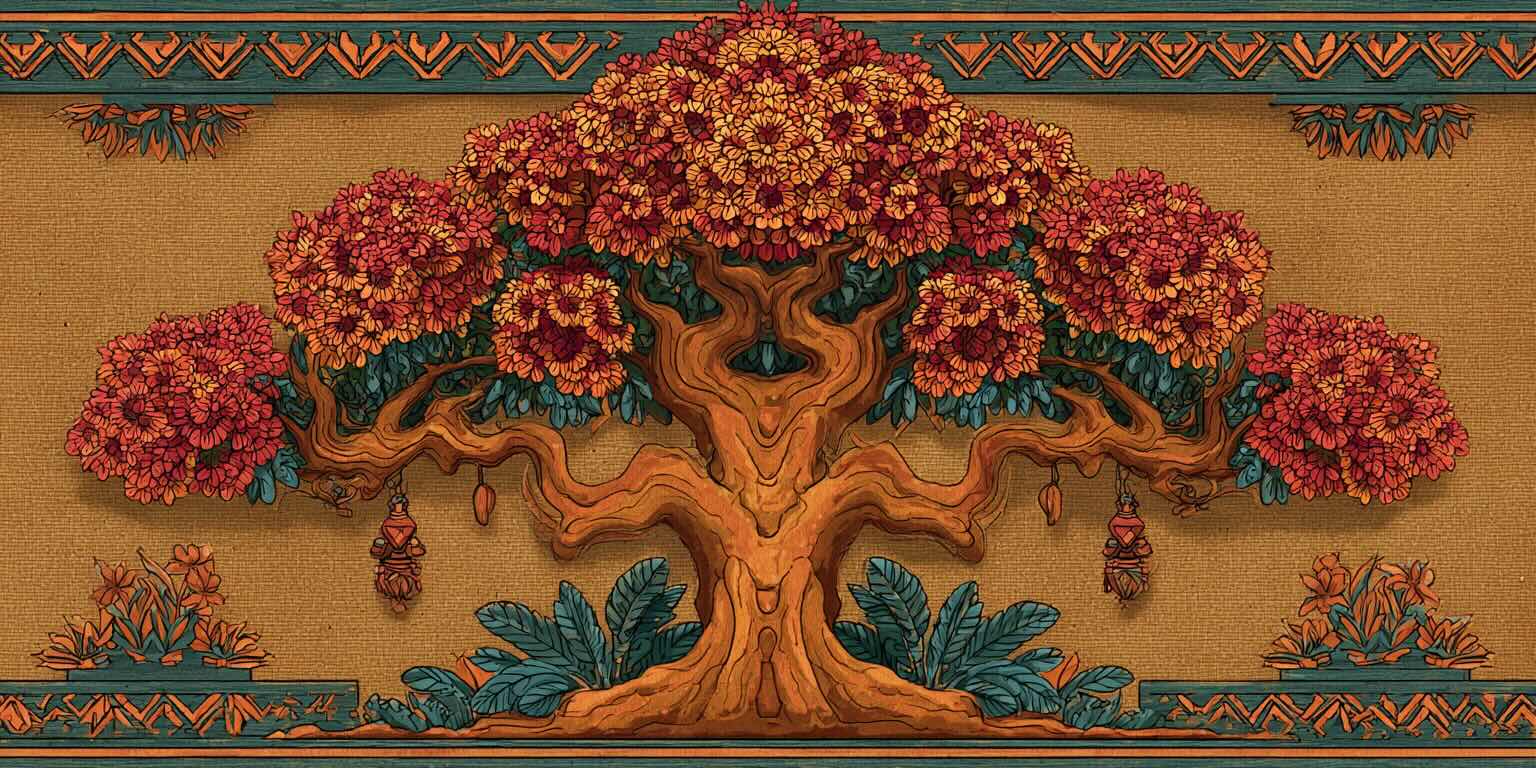
I remember the first time I saw a Lapacho tree. We were following tapir tracks on a mossy path when the guide pointed at a trunk the color of burnt cinnamon. That was Handroanthus impetiginosus — pink or purple lapacho, pau d’arco, taheebo. The yellow-flowered cousin on this site is tahuari, H. serratifolius. People treat the barks as cousins. They are not the same tree.
I did not understand the tree that day. I understood it later, talking to healers and to a few botanists who were tired of the word “miracle.”
The bark people actually use
Inner bark tea for fever, infection, ulcers, a chest that will not clear — that is the through-line I kept hearing, from lowland guides and from people who still cook the chips. “Tree of life” is a phrase tourists like. I heard it. I also heard: do not ring the tree or you kill it.
I sat through a tea in a Quechua-speaking community in the Andean foothills. Bitter, almost metallic, heat in the chest. I will not dress that hour up as Inca court medicine. The Inca-priests-and-warriors story is in every pamphlet. I have not seen the colonial source that pins it down, so I will leave it as a story I was told, not as history I can defend.
What is in the bark — and what failed in a ward
Lapachol and β-lapachone are real naphthoquinones. In dishes and mice they look like anti-infective, anti-inflammatory, even anti-cancer compounds. Memorial Sloan Kettering’s monograph is the page I send skeptical friends: lab signal, thin human data, lapachol in chronic myeloid leukemia did not work and made people nauseous, anemic, urine dark (MSKCC Pau d’arco; Block 1974). A small lapacho preparation study on radiation mucositis is more interesting to me than the marketplace “cures cancer” bag.
The tea I brew is not a chemotherapy dose of isolated lapachol. That distinction matters. High-dose quinones are not a health hack. They are a toxicity problem. Anticoagulants are a theoretical clash. I am not a physician. I am a man who fell in love with a tree and then read the ugly papers on purpose.
From forest to kettle
A handful of shredded inner bark, fifteen or twenty minutes at a simmer, from people who cut narrow strips and leave the tree standing. I have fumbled that machete in Acre and been laughed at by women who run a cooperative. “We don’t take more than we need.” That sentence is the whole conservation argument.
Purple or yellow flowers — depending on species — feed bees when the forest is dry. Unsustainable barking is how a “healing tree” becomes standing deadwood. If you buy pau d’arco, ask who cut it.
I still ask permission. I still think the tree has a presence. You do not have to share that to accept the rest: this bark is a companion, not a commodity, and the chemistry is interesting enough without lying about leukemia.
More on the species page: Lapacho (Pau d’Arco).