Contact Info

UBOS

Botanical name:

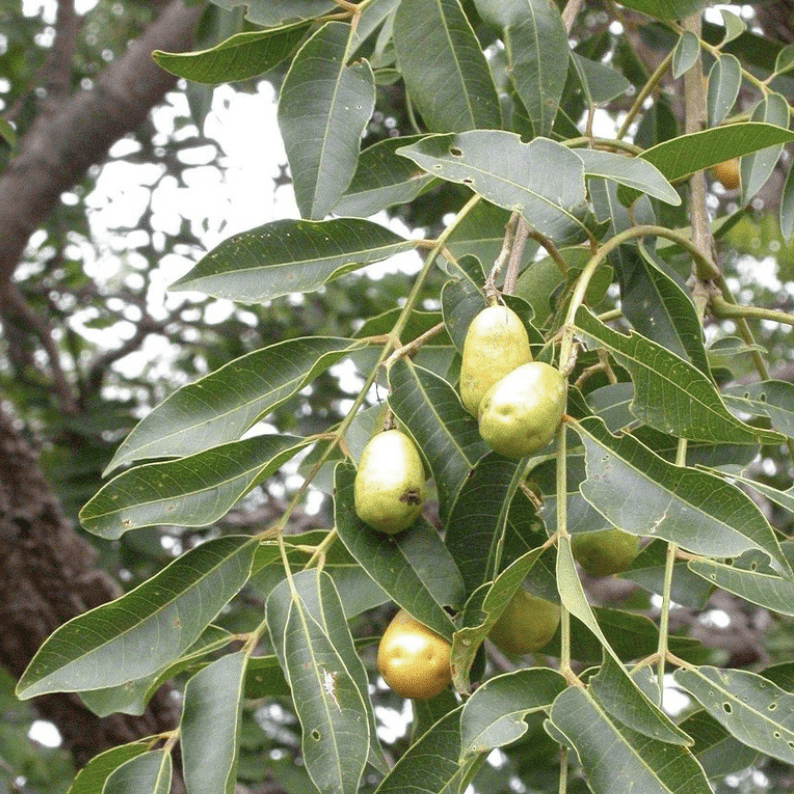
Spondias mombin

Alternative names:

Acaiba, Acaja, Acajaiba, Acaju Ajuela, Agria, Binbish-sheshon, Caja, Caja-mirim, Caja-pequeno, Cajazeira, Cajazeiro, Cajazeiro-miudo, Cancharana, Cansa boca, Canyarana, Ciruela amarilla, Diji, Ciruela, Ciruelo, Hog plum, Hubas, Hubo, Hubus, Imbu, Imbuzeiro, Itahuba, Jamaica-plum, Jobo, Jocote, Joshin heshon, Marope, Metsoqui, Mombin, Mompe, Serigiiela, Sheshon, Sheson, Shungi ushun, Shungo, Shungu, Tapareba, Tapereba, Taperiba, Taperiba ubo, Tobo de la raontana, Tronador, Tsiyoroqui, Ubos Colorado, Ushum, Ushun, Uvo, Xuxoon, Yellow mombin, Ylopo

Main indications:

  • arthritis
  • pain management
  • wounds, cuts
  • gynaecological and urological infections
  • peptic ulcers
  • tuberculosis

Short characteristics:

Ubos is a powerful plant native to the Amazon rainforest and tropical regions of South America, especially Peru. In traditional medicine, its leaves, fruit and inner bark are prized for their broad therapeutic properties. The leaves are used as a broad-spectrum antimicrobial and anti-inflammatory agent, effective against bacteria, fungi, and viruses, and are often prepared as infusions for internal ailments or topical applications for skin infections and wounds. The bark, on the other hand, is traditionally prepared in decoctions or tinctures and is renowned for its anti-inflammatory, analgesic, and vulnerary effects—supporting tissue healing, reducing pain, and controlling inflammation in conditions such as arthritis, muscle injuries, and skin ulcers. Both parts of the plant have been used for gastrointestinal issues like rotavirus diarrhea and dysentery, as well as for gynecological concerns, including ovarian and uterine disorders. Scientific research confirms many of these traditional uses; for example, studies have documented Ubos’ antibacterial, antifungal, antiviral, and anticancer properties, as well as its ability to inhibit COX enzymes and support tissue regeneration. Its use carries precautions; it should be avoided during pregnancy outside medical supervision, and those allergic to salicylic acid derivatives should abstain from it.

The usual way of use:

3 to 10 grams of dried herb (one to three large spoons) should be gently cooked in about 0.7 liters of water for 20 minutes. Drink throughout the day. For external use, the decoction should be more concentrated.

Powdered herbal extract, whether in capsules or in powder form, should be taken twice a day. The dose depends on the potency—please follow the instructions on the label or consult your health practitioner for guidance.

WARNING: Ubos leaves are used to induce childbirth. Do not use while pregnant.

Composition

The medicinal efficacy of Ubos lies in its rich phytochemical profile:

  • Essential oils: Rich in monoterpenes such as geraniollinaloolpulegone, and limonene. These compounds are responsible for its antimicrobial, anti-inflammatory, and calming effects.
  • Phenolic acids: Including chlorogenic acid and caffeic acid, which support antioxidant activity, anti-inflammatory responses, and tissue protection.
  • Flavonoids: Such as quercetin, rutin, and isoquercitrin, which demonstrate antioxidant, anti-inflammatory, and immune-supporting properties.
  • Saponins, tannins, and resinous compounds: Contributing to additional antimicrobial, anti-inflammatory, and healing effects.
  • Salicylic acid derivatives: Supporting pain relief, anti-inflammatory, and antithrombotic actions.

This complex mixture provides a basis for its broad therapeutic applications, particularly in fighting infections and promoting tissue healing.


Traditional Use

For generations, indigenous tribes and herbalists in the Amazon and surrounding regions have relied on Lippia species, especially Ubos, for various medicinal purposes:

  • Antimicrobial and antiseptic: Applied topically in the form of infusions or poultices to wounds, burns, ulcers, and skin infections to promote healing and prevent infection.
  • Anti-inflammatory: Decoctions from leaves or bark are used internally and externally to reduce swelling, joint pain, and inflammation.
  • Respiratory health: Frequently used to treat coughs, bronchitis, and pneumonia, supporting easier breathing and mucus clearance.
  • Gastrointestinal ailments: Decoctions support digestion, relieve stomach pains, diarrhea, and parasitic infections.
  • Blood detoxification: Its blood-purifying properties were traditionally used to help eliminate toxins and improve overall health.
  • Fever and infections: Given its antiviral and antimicrobial effects, Ubos was employed to treat fevers and infectious diseases like influenza or hepatitis.

These applications highlight its importance in holistic healing, emphasizing the balance and integrity of bodily systems.


Precautions and Possible Interactions with Medicines

Despite its traditional use and recent scientific validation, it’s essential to approach Ubos with caution:

  • Pregnancy and breastfeeding: Due to lack of extensive safety data, pregnant or nursing women should avoid using the plant unless advised by a healthcare professional.
  • Drug interactions: Ubos contains bioactive compounds that may influence blood clotting, blood pressure, and immune responses. It could potentially enhance the effects of anticoagulants, antihypertensive drugs, or immunosuppressants.
  • Allergic reactions: Rare allergic responses or skin sensitivities may occur, especially in individuals allergic to plants in the Lippia genus or related herbs.
  • Overuse: Excessive or prolonged use might cause gastrointestinal upset or interfere with medication metabolism.

Consulting a healthcare professional before regular use is strongly recommended, especially during pregnancy, medication therapy, or serious illness.


Available Scientific Studies

Scientific investigations are increasingly validating the traditional claims about Ubos:

“Therapeutic properties and chemical composition of Spondias mombin
Authors:
A. Oboh, S. Akinrinlola, J. Ajibola et al.
Published in: Journal of Pharmacognosy and Phytochemistry (2021)
Summary:
This review outlines the pharmacological activities of Spondias mombin, highlighting its antioxidant, antimicrobial, anti-inflammatory, hepatoprotective, and neuroprotective properties. Bioactive compounds such as flavonoids, tannins, and phenolics were identified as contributing factors.

🔗 Link:
https://www.ncbi.nlm.nih.gov/pmc/articles/PMC7938474/