

SUMA (BRAZILIAN GINSENG)
Botanical name:
Pfaffia paniculata
Alternative names:
Brazilian ginseng, Pfaffia, Para toda, Corango-acu
Main indications:
hormonal disorders
chronic fatigue and tiredness
sexual disorders
sickle cell anemia
THIS PLANT IS PART OF THE CORAZÓN DEL PUMA AND ESENCIA DE MARIPOSA AZUL HERBAL FORMULAS.
Short characteristics:
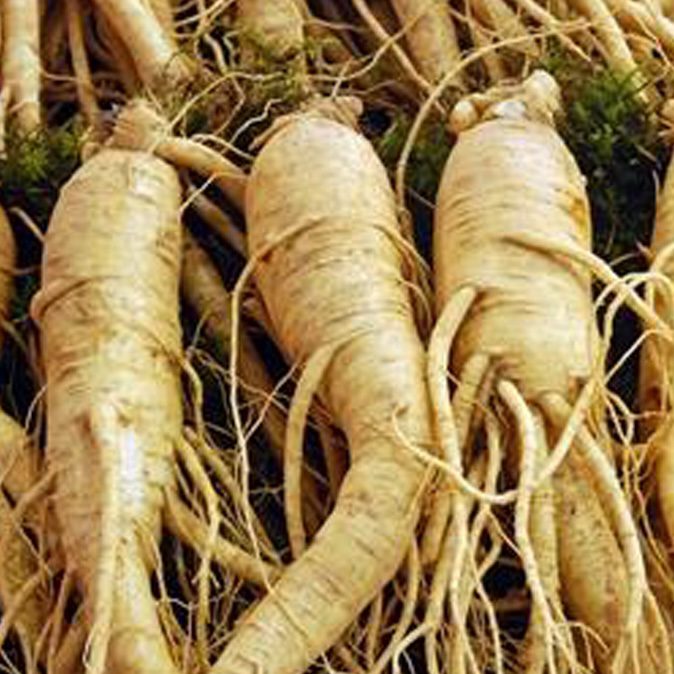
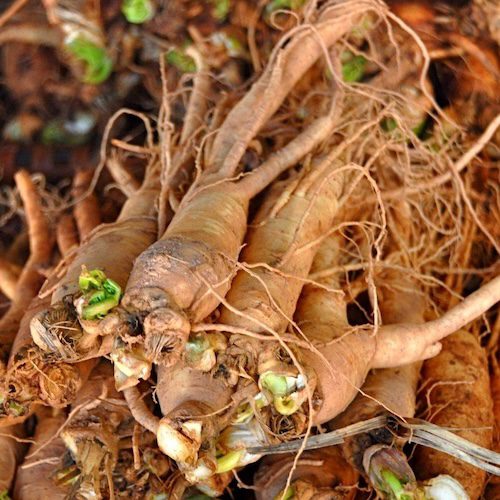
Suma (Pfaffia paniculata), often called the “Brazilian ginseng,” is a versatile rainforest plant highly regarded in traditional South American medicine. Indigenous communities have long utilized its roots and plant extracts for a wide array of health conditions, and scientific studies are beginning to validate many of its claimed benefits. Rich in bioactive compounds such as ecdysterone, saponins, flavonoids, and plant sterols, suma exhibits a broad spectrum of therapeutic actions. It is used as an adaptogen—supporting the body’s resistance to stress— and as a tonic that helps balance hormones, boost energy, and enhance overall vitality. Additionally, suma has demonstrated immune-modulating, anti-inflammatory, antioxidant, and anti-cancer properties, supporting its traditional role in promoting cellular health and preventing chronic illnesses. Its capability to improve blood circulation, lower cholesterol, and support heart health makes it a valuable natural remedy. Used traditionally in decoctions or capsules, suma’s multifaceted healing properties are validated by modern scientific research, confirming its role as a powerful herbal medicine for supporting health, vitality, and disease prevention.
The usual way of use:
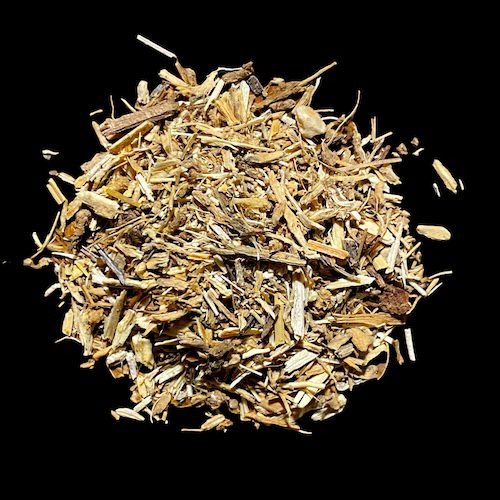
Suma root, fresh or dried can be cooked for 10 minutes and drunk three times a day. However, decoction is rather bitter and suma is almost always used in form of powder.
Powdered herbal extract, whether in capsules or in powder form, should be taken twice a day. The dose depends on the potency—please follow the instructions on the label or consult your health practitioner for guidance.
Composition
The medicinal effects of suma derive from a complex mix of phytochemicals, primarily:
- Ecdysterone: A steroid-like compound documented for its anabolic (muscle-building), adaptogenic, and cellular regenerative effects. It has been shown to stimulate protein synthesis and support tissue growth.
- Plant Sterols: Including beta-sitosterol and stigmasterol, which are believed to support hormonal balance, reduce cholesterol, and exert anti-inflammatory actions.
- Saponins: These natural surfactants help lower blood cholesterol, inhibit cancer cell growth, and support immune function.
- Flavonoids: Such as quercetin and other antioxidants that combat oxidative stress and support vascular health.
- Other phytochemicals: Including phytosterols, phenolic acids, and polysaccharides, further contributing to its health-promoting effects.
This rich phytochemical profile makes suma a potent adaptogen and restorative remedy.
Traditional Use
For centuries, indigenous tribes and herbalists in the Amazon and the Andes have used suma for:
- Increasing vitality and energy: It is prepared as a tea or powder and consumed daily to combat fatigue, support physical endurance, and improve stamina.
- Supporting hormonal balance: Traditionally employed to regulate menstrual cycles, treat menopause symptoms, and assist with hormonal imbalances.
- Enhancing the immune system: Used to boost resistance to infections and support recovery after illness.
- Fighting chronic diseases: Its adaptogenic and anti-inflammatory properties are used in managing arthritis, rheumatism, and other inflammatory conditions.
- Supporting tissue regeneration: The herb is believed to promote cell repair, support wound healing, and prevent tissue degeneration.
- Increase libido and reproductive health: Traditionally used as an aphrodisiac and to improve fertility in both men and women.
Suma is often taken in decoction, capsules, or powdered form, and is valued for its ability to enhance overall physical and mental resilience.
Precautions and Possible Interactions
Despite its traditional use and promising research, caution should be exercised:
- Hormonal effects: Some of suma’s compounds, such as ecdysterone, may influence hormone levels. Women with hormone-sensitive conditions (e.g., breast or prostate cancer) should consult a healthcare provider before use.
- Pregnancy and breastfeeding: Limited data exist, so pregnant or nursing women are advised to avoid high doses or consult a healthcare professional before use.
- Drug interactions: Suma may influence blood pressure and blood sugar; it could potentially enhance the effects of antihypertensive, antidiabetic, or blood-thinning medications. Regular monitoring and medical consultation are recommended during supplementation.
- Long-term use: Although generally considered safe, prolonged high-dose use should be supervised.
As with all herbal supplements, consulting a qualified healthcare professional before adding suma to your routine is best, especially if you are on medications or managing chronic health conditions.
Scientific Evidence
Recent scientific studies substantiate many of suma’s traditional claims:
**“Anti-inflammatory effects of Brazilian ginseng (Pfaffia paniculata) on TNBS-induced intestinal inflammation: Experimental evidence”**
Authors: C. A. R. A. Costa, A. Tanimoto, A. E. V. Quaglio, L. D. Almeida Jr., J. A. Severi, L. C. Di Stasi
Overview: Demonstrates protective effects in rats with chemically induced colonic inflammation, including reductions in damage scores, oxidative stress, and inflammatory cytokines.
Link: https://pubmed.ncbi.nlm.nih.gov/26202807/ researchgate.net+10pubmed.ncbi.nlm.nih.gov+10medicinenet.com+10**“Evaluation of the Pharmacological Activity of Pfaffia paniculata… antineoplastic effects”**
Authors: T. C. da Silva, A. P. da Silva, G. Akisue, M. Dagli (and colleagues)
Overview: In a mouse liver carcinogenesis model, Suma root reduced preneoplastic and neoplastic lesions, indicating cancer-preventive activity.
Link:https://www.researchgate.net/publication/287267681_Evaluation_of_the_Pharmacological_Activity_of_Pfaffia_paniculata_Martius_Kuntzetorontofunctionalmedicine.com+7researchgate.net+7es.wikipedia.org+7**“Pfaffia paniculata methanolic extract reduces angiogenesis in mice”**
Authors: Carolina Scarpa Carneiro, Frederico Azevedo Costa‑Pinto, Ana Paula da Silva, Maria Z. Dagli (and others)
Overview: Methanolic extract administered to mice reduced neovascularization in a corneal angiogenesis model, suggesting anti-angiogenic potential.
Link: [Summary via ResearchGate reference] geneticsmr.org+14researchgate.net+14es.wikipedia.org+14researchgate.net**“Pfaffia paniculata Extract, a Potential Antimicrobial Agent…”**
Authors: D. G. Miranda et al. (2024)
Overview: Demonstrated antimicrobial activity of Suma extract against Candida spp., Pseudomonas aeruginosa, and Streptococcus mutans biofilms.
Link: https://www.ncbi.nlm.nih.gov/pmc/articles/PMC11205454/ pmc.ncbi.nlm.nih.gov+1pubmed.ncbi.nlm.nih.gov+1