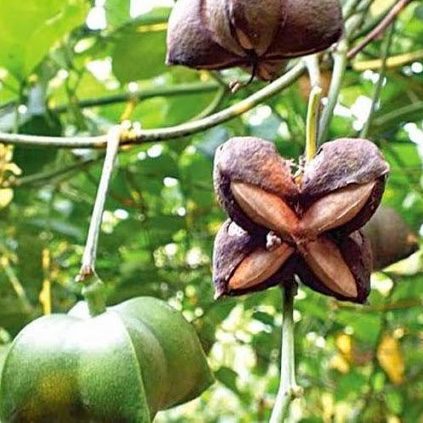
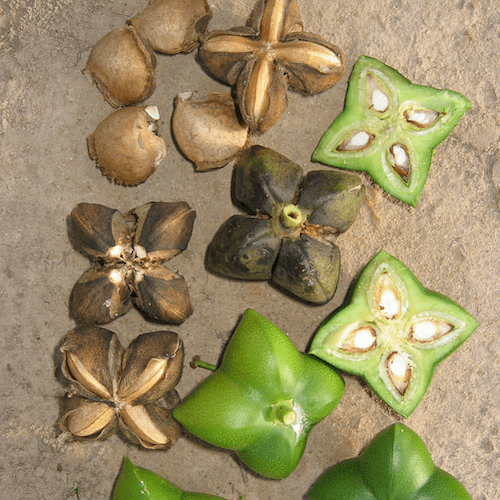
SACHA INCHI


Botanical name:
Plukenetia volubilis
Alternative names:
Sacha maní, Maní del Inca, Maní jíbaro
Main indications:
cardiovascular disease
arthritis
metabolic syndrome
general detox
Short characteristics:
Sacha Inchi (Plukenetia volubilis), also known as Inca peanut, is a native plant of the Amazon and Andean regions of Peru, highly regarded for its numerous health benefits rooted in traditional medicine. Indigenous communities have used its seeds and oil for centuries to support overall health, help manage chronic diseases, and promote wellness. Rich in essential fatty acids—especially omega-3, omega-6, and omega-9—and packed with antioxidants, vitamins, and minerals, Sacha Inchi is celebrated for its remarkable preventive and healing qualities. It supports cardiovascular health by lowering cholesterol, improving blood circulation, and reducing blood pressure. Its anti-inflammatory and antioxidant properties help combat oxidative stress, reduce joint pain, and support tissue repair. The seeds are also a natural source of protein, aiding in tissue regeneration and metabolic regulation. Moreover, traditional use includes supporting immune function, reducing inflammation, and promoting skin, hair, and nail health. Consumed regularly as oil or seeds, Sacha Inchi enhances internal and external health, making it a cornerstone of both indigenous wellness practices and modern nutritional therapies. Its comprehensive health benefits make it an invaluable natural remedy for those seeking to strengthen their body and ward off disease.
The usual way of use:
Sacha Inchi is used in the form of oil pressed from its’ seeds. Can be used as other healthy oils.
Composition
Sacha Inchi’s health benefits stem from its diverse and potent phytochemicals:
- Omega fatty acids: The seeds contain an exceptional concentration of omega-3 (about 48.6%), omega-6 (36.8%), and omega-9 (8.3%) fatty acids. The omega-3 content exceeds that of salmon, making it one of the richest plant-based sources of these essential fats.
- Proteins: The seeds are nearly 33% protein, supporting tissue growth, repair, and muscle development.
- Antioxidants: Rich in phenolic acids, flavonoids like quercetin, and carotenoids—including beta-carotene—these compounds scavenge free radicals, protecting cells from oxidative damage.
- Minerals: Notable for containing calcium, magnesium, phosphorus, iron, zinc, and selenium, which help maintain bone health, enzyme function, and immune regulation.
- Vitamins: Abundant in vitamins A and E, critical for vision, skin health, and cellular protection.
The synergy of these compounds supports the plant’s role as a natural defender against oxidative stress, inflammation, and metabolic imbalance.
Traditional Use
For generations, indigenous Peruvians have used Sacha Inchi to support overall health and prevent chronic illnesses:
- Cardiovascular health: The high omega-3 content is traditionally consumed to lower bad cholesterol (LDL), support blood circulation, and prevent arteriosclerosis.
- Inflammation and joint health: The anti-inflammatory effects have been used to reduce pain, swelling, and stiffness associated with rheumatism and arthritis.
- Immune support: Its antioxidant compounds strengthen immune defenses, helping the body fight off infections.
- Skin, hair, and nails: The nourishing oils and nutrients support healthy, youthful skin and durable hair and nails.
- Metabolic regulation: Used to improve blood sugar levels, support weight management, and prevent obesity-related diseases.
- Internal detoxification: Its nourishing nutrients and fiber help eliminate toxins from the body and maintain organ health.
In local culinary traditions, the seeds are often eaten roasted or raw, while the oil is used topically or incorporated into food for its healing effects.
Precautions and Possible Interactions
Despite its impressive benefits, users should be aware of potential precautions:
- Allergic reactions: Sensitive individuals might experience allergies or gastrointestinal discomfort.
- Medication interactions: Due to its effects on blood pressure, blood sugar, and cholesterol, Sacha Inchi may interact with medications such as anticoagulants, hypoglycemics, or antihypertensives. Careful monitoring and consultation with a healthcare professional are advised.
- Pregnancy and breastfeeding: Limited data are available, so pregnant or nursing women should consult their healthcare provider before use.
- Moderation: While generally safe, excessive consumption may cause gastrointestinal issues or affect blood thinning—similar precautions as with high-dose omega-3 supplements.
Scientific Evidence Supporting Healing Properties
Recent scientific research backs many traditional claims:
**“Evaluating the Potential of Plukenetia volubilis Linneo”**
Authors: I.Z. Abd Rahman et al.
Overview: This comprehensive review analyzes Sacha Inchi’s beneficial effects on key cardiovascular risk factors—including dyslipidemia, obesity, diabetes, and hypertension—primarily through its antioxidant and anti-inflammatory mechanisms. Most evidence stems from preclinical studies; more human trials are needed.
Link: https://www.ncbi.nlm.nih.gov/pmc/articles/PMC10675584/ Frontiers+15PMC+15Frontiers+15**“Biological Activity of Sacha Inchi (Plukenetia volubilis…)”**
Authors: D.M. Cárdenas et al.
Overview: Finds antitumor activity in both Sacha Inchi seed oil and leaves (aqueous and organic extracts). Leaf extracts notably reduced proliferation of cancer cell lines (A549 and HeLa) and stimulated fibroblast growth, suggesting tissue-regenerative potential.
Link: https://www.ncbi.nlm.nih.gov/pmc/articles/PMC8542186/ PMC+2Frontiers+2**“The application prospects of sacha inchi (Plukenetia …”**
Authors: M. Wang et al.
Overview: Highlights its pharmacological potential—including antioxidant, anti-inflammatory, lipid- and blood-pressure-lowering effects—and proposes its therapeutic promise for conditions like rheumatoid arthritis.
Link: https://www.frontiersin.org/journals/pharmacology/articles/10.3389/fphar.2024.1481272/fullPMC+15Frontiers+15PMC+15**“Effects of Sacha Inchi (Plukenetia volubilis L.) Oil Supplementation on Hyperglycaemia, Hypertension and Hyperlipidaemia (3Hs) Patients: A Preliminary Human Trial”**
Authors: N.A.R. Mhd Rodzi, M.M. Sopian & K.L. Lee
Overview: A randomized, placebo-controlled clinical trial in 3Hs patients (those with hyperglycaemia, hyperlipidaemia, and hypertension): Sacha Inchi oil supplementation (1 g/day) significantly reduced blood pressure and improved lipid profiles with no adverse effects noted.
Link: https://link.springer.com/article/10.1007/s11130-025-01309-8 Nature+15SpringerLink+15PMC+15**“Sacha Inchi (Plukenetia volubilis L.): Potential Bioactivity, …”**
Authors: S.G. Redjeki et al. (2025)
Overview: Recent research underscores Sacha Inchi oil’s pharmacological activities—including cardiovascular protection, anti-inflammatory, antioxidant, antiproliferative, and neuroprotective properties—highlighting its therapeutic promise.
Link: https://www.mdpi.com/1420-3049/30/1/160 Frontiers+15MDPI+15Frontiers+15