PASUCHACA


Botanical name:
Geranium delsianum Knuth
Main indications:
type 2 diabetes
pancreatitis
gynaecological infections
THIS PLANT IS PART OF THE TAPIR VERDE, ELIXIR DEL QUETZAL AND SUSURRO DEL INIA HERBAL FORMULAS.
Short characteristics:
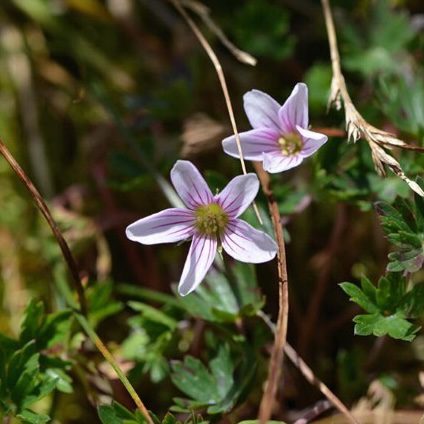
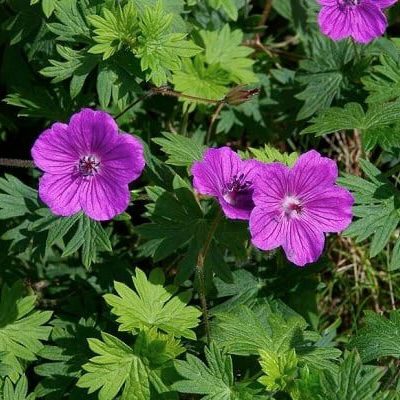
Pasuchaca (Geranium dielsianum) is a perennial plant native to the northern Andes, found at elevations of 3,000 to 3,500 meters in provinces such as Cajamarca, Chota, Piura, and Ayabaca. It stands about 35 centimeters tall and produces light purple flowers in clusters. In traditional Peruvian medicine, Pasuchaca is primarily used to support the treatment of Type 2 diabetes, helping to regulate blood glucose levels and support pancreatic function, especially in chronic cases. Its bioactive substances help maintain proper blood sugar levels and protect pancreatic cells, although it does not replace insulin in cases of deficiency. Besides its anti-diabetic effects, Pasuchaca also exhibits strong antioxidant, anti-inflammatory, and blood-cleansing properties. It is used to alleviate persistent diarrhea, support liver health, and reduce inflammation. Additionally, due to its bacteriostatic and antimycotic properties, it is employed for gynecological infections and to promote vaginal health. Furthermore, Pasuchaca is used as a mouth rinse for canker sores and oral ulcers, thanks to its healing and antimicrobial qualities. Its broad medicinal profile makes it a significant plant in indigenous Amazonian herbal practices for maintaining overall health and managing chronic diseases.
The usual way of use:
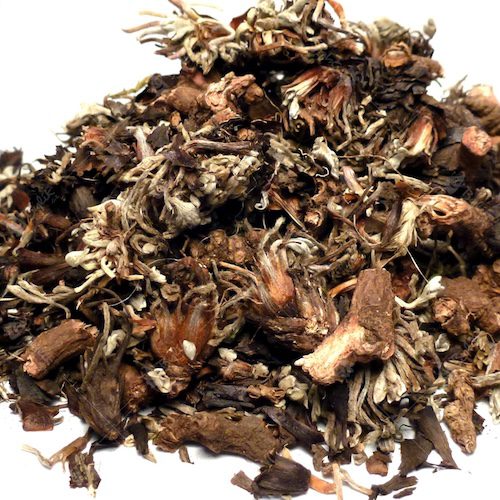
3 to 5 grams of dried herb parts (one to two large spoons) should be gently cooked in about 0.7 liters of water for 7 minutes. Drink throughout the day. As the dried Pasuchaca usually also contains hard pieces of branches, it is advisable to soak the plant for 20 minutes before cooking.
Powdered herbal extract, whether in capsules or in powder form, should be taken twice a day. The dose depends on the potency—please follow the instructions on the label or consult your health practitioner for guidance.
Composition
The medicinal effects of Pasuchaca are attributed to its rich array of bioactive compounds:
- Tannins and phenolic acids: The plant contains significant amounts of tannins and phenolic acids like chlorogenic and ferulic acids, which are known for their antioxidant and anti-inflammatory properties. These compounds help neutralize free radicals, reduce cellular stress, and support tissue healing.
- Alkaloids: It includes alkaloid compounds like geraniin, which have been linked to anti-inflammatory and antimicrobial effects.
- Flavonoids: Such as quercetin and kaempferol derivatives, supporting cardiovascular health, reducing inflammation, and acting as antioxidants.
- Other constituents: Saponins and various phenolic compounds that contribute to its overall health-promoting effects, especially its ability to regulate blood sugar and reduce inflammation.
The synergy of these phytochemicals underpins Pasuchaca’s broad therapeutic profile, supporting its traditional applications.
Traditional Use
For generations, indigenous and local communities in the Andes have relied on Pasuchaca for its medicinal properties:
- Support in managing Type 2 Diabetes: Decoctions of the plant are used to help regulate blood glucose levels and support pancreatic function in cases of chronic diabetes. It is believed that the plant’s compounds help maintain proper blood sugar balance, supporting overall metabolic health.
- Digestive health: Its anti-inflammatory and astringent properties support the treatment of stomach pains, indigestion, and gastritis. It is also used to treat parasitic infections and diarrhea.
- Liver and blood detoxification: Traditional use includes herbal infusions that promote blood cleansing and liver health, helping to eliminate toxins accumulated from environmental exposure or dietary excess.
- Gynecological infections: Its antimicrobial and bacteriostatic properties are used externally and internally to treat infections in the reproductive tract, supporting women’s health.
- Wound healing: External applications using decoctions or poultices improve tissue repair and reduce inflammation in cuts, ulcers, and skin infections.
In local indigenous communities, Pasuchaca is part of the holistic approach to health, emphasizing balance, detoxification, and disease prevention.
Precautions and Possible Interactions
While Pasuchaca has a long history of safe traditional use, modern science recommends caution:
- Drug interactions: Its blood sugar-lowering effects may enhance the action of hypoglycemic medications, necessitating careful monitoring to prevent hypoglycemia.
- Pregnancy and breastfeeding: There is limited scientific data on safety during pregnancy or lactation; pregnant women should consult healthcare providers before use.
- Allergic reactions: Some individuals might experience allergic responses or gastrointestinal discomfort, especially with high doses or prolonged use.
- Liver and kidney conditions: While traditionally used to support liver health, individuals with severe liver or kidney problems should seek medical advice.
As with all herbal medicines, it’s important to consult with a healthcare professional before incorporating Pasuchaca into regular treatment, particularly when taking prescribed medications.
Available Scientific Studies
Although research on Pasuchaca (Geranium dielsianum) remains limited, recent studies support its traditional applications:
1. “Inhibitory Effects of Pasuchaca (Geranium dielsianum) Extract on α‑Glucosidase in Mouse”
Authors: Mariko Karato, Kohji Yamaguchi, Shin Takei, Takao Kino (et al.)
Overview: Demonstrates that the methanolic extract of G. dielsianum markedly inhibits intestinal α‑glucosidase, delaying starch and disaccharide digestion and thus reducing postprandial blood glucose levels in mice.
Link:https://www.researchgate.net/publication/6990848_Inhibitory_Effects_of_Pasuchaca_Geranium_dielsiaum_Extract_on_a-Glucosidase_in_Mouse phcogj.com+5ResearchGate+5laccei.org+5
2. “Pasuchaca (Geranium ruizii Hieron.): A Medicinal Plant of the Geraniaceae Family with Hypoglycemic Effect on Alloxan-Induced Hyperglycemia in Mice”
Authors: Oscar Herrera‑Calderón, Renan Dilton Hañari‑Quispe, Johnny Aldo Tinco‑Jayo, Josefa Bertha Pari‑Olarte, Luz Josefina Chacaltana‑Ramos, Eddie Loyola‑Gonzales, Melva Iparraguirre‑Meza, Mildred Hilda Cóndor‑Privat, Beatriz Lilian Galdos‑Vadillo, Jenny Mendoza‑Vilcahuaman, Rossibel Juana Muñoz‑de‑la‑Torre
Overview: Reports that hydroalcoholic extract of G. ruizii (also known as Pasuchaca) significantly reduced blood glucose levels in alloxan-induced diabetic mice at doses of 50–300 mg/kg, indicating a clear hypoglycemic effect.
Link: https://www.phcogj.com/article/1769 phcogj.com
3. “Industrial recovery of the Pasuchaca (Geranium delsianum Knuth): processes and functional evaluation of derived products”
Authors: Ronald Quinteros, Luis Napan, Erick Alvarez‑Yanamango, Fredy Huayta
Overview: Pilot‑scale development of functional products derived from G. delsianum (flour, infusion, additive), evaluating their total phenolic content and antioxidant activity—indicating promising nutraceutical potential.
Link: http://dx.doi.org/10.18687/LACCEI2020.1.1.342 laccei.org
4. “Ethnobotany, ethnopharmacology and toxicity of Geranium ayavacense … and Geranium sessiliflorum … (‘Pasuchaca’)”
Authors: Sharon Velasquez‑Arevalo, J‑Kenedy Ramirez, Cristhian Rodríguez‑Silva, Víctor Villarreal‑La Torre
Overview: A comprehensive review of Pasuchaca-related species, examining traditional uses (notably hypoglycemic and antibacterial), ethnobotanical context, pharmacological evidence, and gaps in toxicological data.
Link: https://ethnobotanyjournal.org/index.php/era/article/view/1837 ethnobotanyjournal.org