

MUÑA
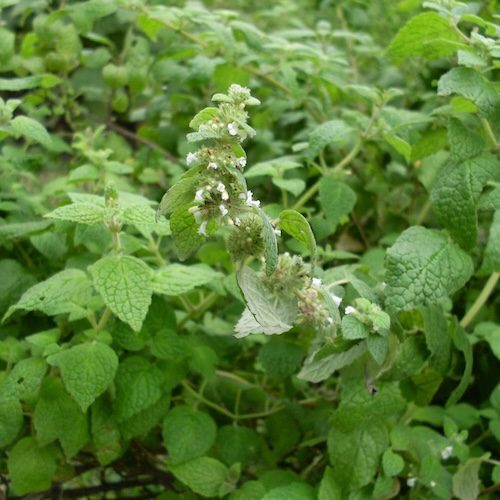
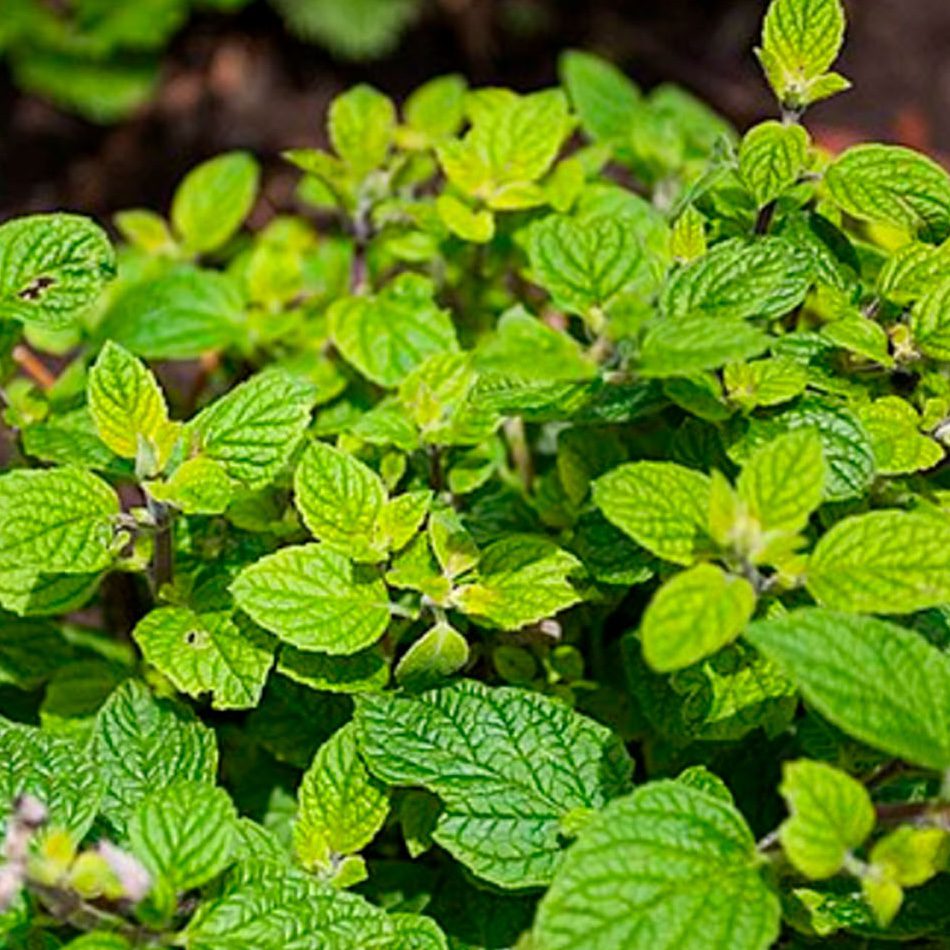
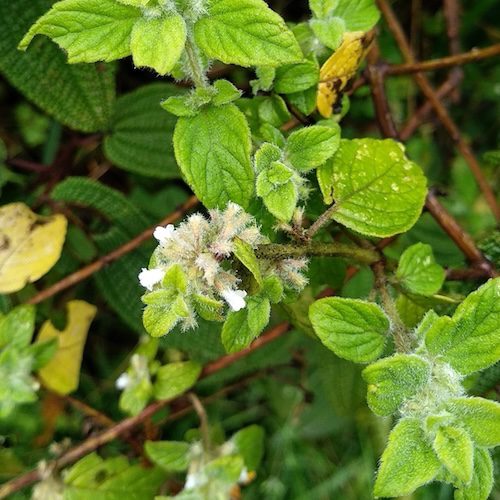
Botanical name:
Minthostachys (in Peru often M. mollis / M. setosa group)
Alternative names:
Muña, muña muña, menta de los Andes, peperina (related southern taxa)
Main indications:
stomach and altitude tea
colds, in Andean folk use
Short characteristics:
Muña is Andean Minthostachys — a mint-family shrub of the sierra, not an Amazonian shaman plant. The tea smells of pennyroyal and peppermint because many Peruvian oils are pulegone–menthone types. Kitchen medicine of the highlands.
People drink it for stomach, altitude, and colds. That is real folk use. Pulegone is also why you do not treat the essential oil as a cute mint. This is not a parasite drug and not a substitute for altitude medicine.
The usual way of use:
Leaf infusion, short and not daily-forever. Culinary sprigs in potatoes are food. Distilled oil is not tea: pulegone-rich mints have a toxicity file. Do not drink the oil, and do not give strong mint teas to infants.
Composition
Minthostachys oils split, roughly, into pulegone–menthone chemotypes (common in Peruvian material) and carvacrol-leaning types elsewhere. That is Schmidt-Lebuhn’s biochemical picture, and later oil papers still argue in those terms. The leaf also carries ordinary mint phenolics. Pulegone is the compound to respect.
- Pulegone and menthone: the usual Peruvian headspace. Related to pennyroyal chemistry.
- Carvacrol types: exist in the genus; do not assume every bag is the same oil.
- Genus, not one species: labels that say only “muña” hide several taxa.
Traditional Use
Andean households use the leaf for stomach cramps, heavy digestion, colds, and the first days at altitude. Herders also know it as a stored-food and insect plant. That is sierra practice. Filing it under Amazonian master plants is a catalog error.
- Stomach tea: the everyday use.
- Altitude and colds: folk, widespread, untested as a protocol.
- Storage herb: scent as a pest deterrent.
Precautions and Possible Interactions with Medicines
Tea in food amounts is the conservative use. The oil is the danger.
- Pulegone / pennyroyal-type liver toxicity: the reason you do not ingest essential oil. This is the hard warning on the page.
- Pregnancy: skip medicinal muña. Pulegone-containing mints are the wrong family of plants to experiment with.
- Infants: no strong mint teas, no oil.
- Liver disease: no.
Available Scientific Studies
Two papers: one is the genus review you actually want; one is a later oil-chemistry paper that at least keeps the species on the bench.
“Ethnobotany, biochemistry and pharmacology of Minthostachys (Lamiaceae)”
Authors: Schmidt-Lebuhn AN (2008)
Overview: The genus review: Andean uses (digestive, respiratory, veterinary, storage), oil chemotypes including pulegone–menthone, and the thin pharmacology. Still the paper to start with.
Link: https://pubmed.ncbi.nlm.nih.gov/18579110/“Oxidation protection efficiency of the combination of Minthostachys mollis K. and Origanum vulgare L. essential oils with “chain-breaking” and “termination-enhancing” antioxidant mechanisms”
Authors: Juncos NS, Ponso CFC, Grosso NR, Olmedo RH (2024)
Overview: Food-science paper on M. mollis essential oil (with oregano) in oxidation assays. Confirms that the oil is a real, chemically active mint oil. It is not a human stomach-trial and not a safety green light for swallowing oil.
Link: https://pubmed.ncbi.nlm.nih.gov/39581625/