Contact Info

MAIZ MORADO

Botanical name:

Zea mays indurata

Alternative names:

Purple corn, Purple maize

Main indications:

  • Oxidative stress-related diseases
  • High blood pressure (hypertension)
  • High cholesterol and lipid imbalance
  • Blood circulation problems
  • Coronary heart disease
  • Impaired brain function
  • Osteoarthritis and joint degeneration
  • Eye health problems
  • Anemia
  • Stress-related conditions and general fatigue
  • Aging-related decline

Short characteristics:

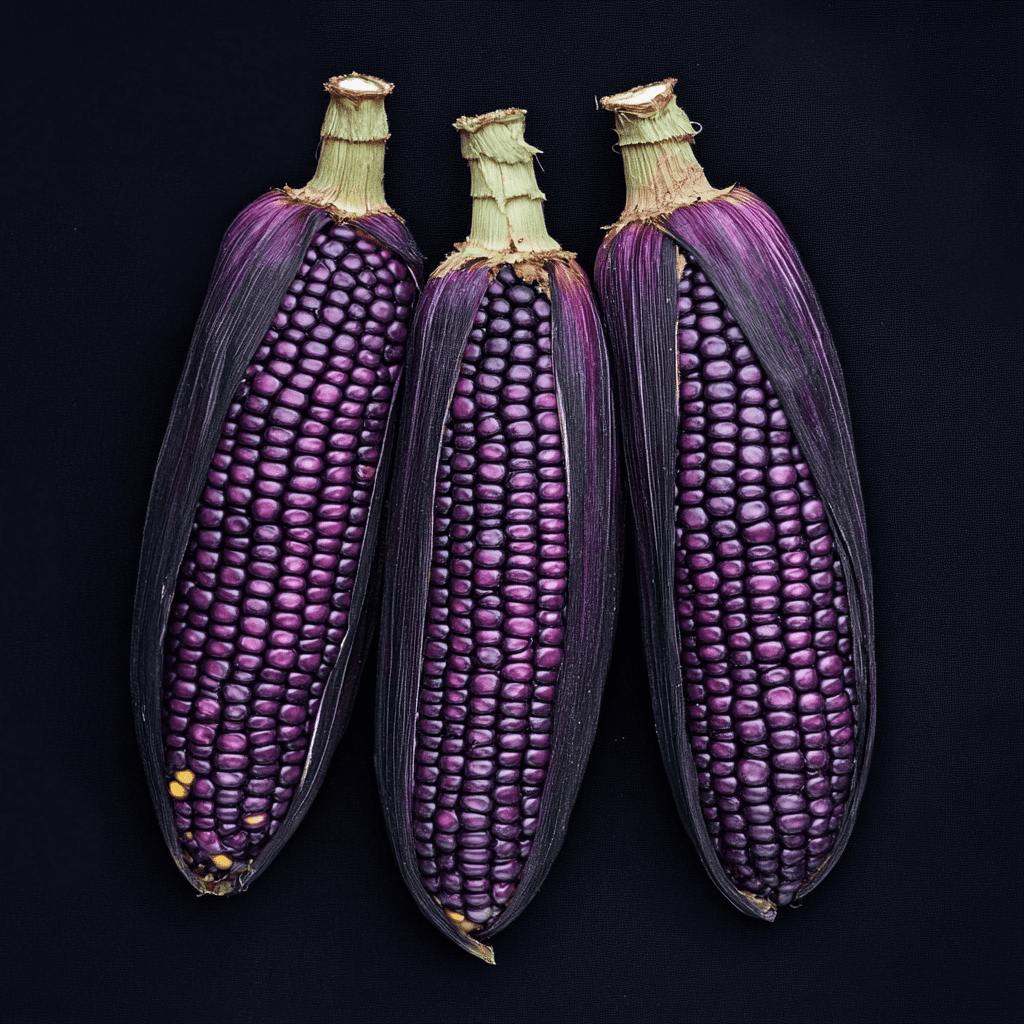
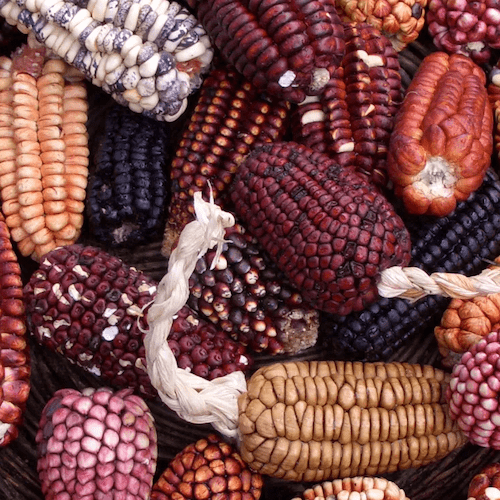
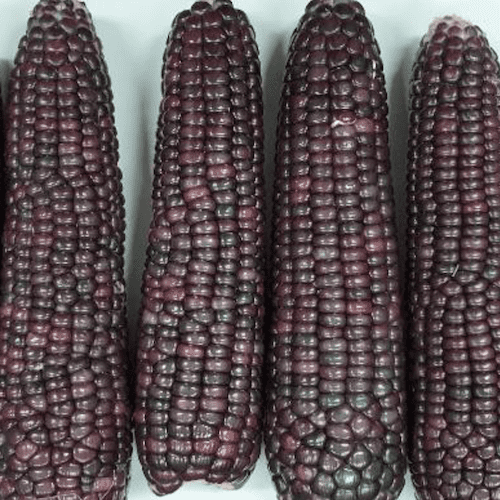
Maíz Morado, a vibrant purple maize native to the Andes and Amazon regions, has been a staple food and medicine for indigenous peoples for centuries. Beyond its cultural significance, scientific research has begun to reveal its remarkable health benefits. Rich in antioxidants—particularly anthocyanins—this ancient maize variety offers profound protective effects. Its compounds help neutralize free radicals, protecting cellular membranes and DNA from oxidative damage, which makes Maíz Morado a powerful anti-aging and disease-preventing food. It supports cardiovascular health by improving blood circulation, reducing cholesterol levels, and lowering blood pressure, thus decreasing the risk of heart disease and stroke. Additionally, it enhances blood oxygenation and helps prevent blood clot formation. Its anti-inflammatory and immune-boosting properties contribute to the body’s ability to fight infections, bacteria, and viruses, including respiratory and intestinal infections. Traditionally, Maíz Morado is used in drinks like “Chicha Morada” and “Mazamorra Morada,” which are rich in anthocyanins and served during festive occasions. Modern science confirms that its high anthocyanin content is especially effective in preventing stomach and colon cancers, supports healthy vision and night vision, and aids in managing conditions like diabetes, obesity, anemia, and high blood pressure. As a natural, antioxidant-rich food, Maíz Morado plays an essential role in supporting overall health, longevity, and disease prevention, making it an invaluable part of indigenous wellness practices and contemporary nutrition alike.

The usual way of use:

Maíz morado is a functional food that can be consumed either in its whole form or as a processed corn flour. Extracts from Maíz morado can also be used to prepare healthy beverages, often combined with other highly nutritious ingredients such as Camu Camu.

Composition

The healing power of Maíz Morado is primarily due to its unique chemical constituents:

  • Anthocyanins: The most prominent are cyanidin-3-glucoside and pelargonidin-3-glucoside, responsible for its characteristic purple color. These compounds are potent antioxidants, protecting cells from oxidative stress.
  • Phenolic acids: Including chlorogenic and ferulic acids, contributing to anti-inflammatory and detoxification effects.
  • Flavonoids: Such as quercetin and kaempferol derivatives, which support vascular health and reduce inflammation.
  • Minerals: Rich in potassium, magnesium, calcium, and iron, vital for cardiovascular health, nerve function, and blood formation.
  • Dietary fiber: Supports digestive health, regulates blood sugar, and aids in detoxification.

The combination of these compounds explains many of its health benefits—especially its powerful antioxidant activity and support for cardiovascular wellness.


Traditional Use

For centuries, indigenous cultures in the Andes and Amazon have used Maíz Morado not just as food but as a medicinal remedy to treat a variety of health issues:

  • Blood circulation and heart health: Its rich mineral content and antioxidants help support proper blood flow, reduce cholesterol, and prevent arteriosclerosis.
  • Anti-inflammatory and detoxifying: Decoctions and infusions made from the purple maize are traditionally used to cleanse the body of toxins, support liver function, and reduce inflammation.
  • Support for intestinal health: Its high fiber content supports digestion, alleviates constipation, and prevents gastrointestinal infections.
  • Prevention of cancer: Its high anthocyanin levels are believed to inhibit the formation of cancer cells in the stomach and colon.
  • Visual health: Traditionally, it is used to improve eyesight, especially night vision, and to prevent degenerative eye diseases such as glaucoma.
  • Anti-aging benefits: Its antioxidant properties delay cellular aging, slow down the development of age-related diseases, and support overall vitality.

In Peruvian cuisine, Chicha Morada (a beverage made from boiled Maíz Morado) and Mazamorra Morada (a sweet pudding) are not only cultural staples but also serve as healthful, antioxidant-rich drinks supporting daily wellness.


Precautions and Possible Interactions

Although Maíz Morado has been a dietary staple and traditional remedy for centuries, some precautions are necessary:

  • Allergic reactions: Although rare, some individuals might experience allergic responses to anthocyanins or other plant compounds.
  • Blood sugar management: The fiber and phytochemicals support blood sugar regulation, but diabetics should still monitor their glucose levels when consuming large quantities or supplements.
  • Medication interactions: Its antioxidant properties could interfere with medications that affect blood clotting or blood pressure. Consult your healthcare provider if you are on anticoagulants or antihypertensive drugs.
  • Pregnancy and breastfeeding: Limited data exists, so it’s advisable for pregnant and breastfeeding women to seek medical advice before regular consumption.

As with all herbal foods or supplements, moderation and professional guidance are advised.


Available Scientific Studies

Recent research highlights many of Maíz Morado’s health benefits supported by scientific evidence:

  • “A Review of the Biological Properties of Purple Corn (Zea mays L.)”
    Authors: Hee Yeon Kim, Ki Yeon Lee, Minju Kim, Minji Hong, Ponnuvel Deepa, Songmun Kim
    Overview: A comprehensive review detailing purple corn’s rich anthocyanin content and numerous studied effects including antioxidant, anti-inflammatory, anticancer, antidiabetic, and anti-obesity properties.
    Link: https://www.mdpi.com/2218-0532/91/1/6 (mdpi.com)

  • “Purple Corn (Zea mays L.) Phenolic Compounds Profile and Antioxidant Effects in Mouse Organs”
    Authors: F. Ramos‑Escudero et al. (2012)
    Overview: Identified phenolic compounds and anthocyanins in methanol:water extracts, demonstrating strong antioxidant activity (DPPH, ABTS, FRAP), and enhancement of endogenous antioxidant enzymes in mouse kidney, liver, and brain.
    Link: https://www.ncbi.nlm.nih.gov/pmc/articles/PMC3264953/ (pmc.ncbi.nlm.nih.gov)

  • “Health Benefits of Purple Corn (Zea mays L.) Phenolic Compounds: A Review”
    Authors: F. Lao et al. (2017)
    Overview: Comprehensive review of the phenolic profile and associated health benefits—antioxidant, anti-inflammatory, antimutagenic, anticancer, anti-angiogenesis—and potential improvements in lifestyle-related conditions (obesity, diabetes, hypertension).
    Link: https://pubmed.ncbi.nlm.nih.gov/33371534/ (pubmed.ncbi.nlm.nih.gov)

  • “Primary and Phenolic Metabolites Analyses, In Vitro Biological Activities of Purple Corn Kernels and Cobs”
    Authors: L.G. Ranilla et al. (2021)
    Overview: Explores the metabolite composition of purple corn (both kernels and cobs) and presents associated in vitro activities related to nutritional and health benefits.
    Link: https://www.ncbi.nlm.nih.gov/pmc/articles/PMC8625611/ (pmc.ncbi.nlm.nih.gov)

  • “Antioxidant Purple Corn Protein Concentrate from Germinated Seeds”
    Authors: E. Vilcacundo et al. (2020)
    Overview: Reports on protein concentrates derived from germinated purple corn seeds that maintain high total phenolic and anthocyanin content, exhibiting strong antioxidant activity.
    Link: https://www.mdpi.com/2073-4395/10/9/1282 (mdpi.com)

  • “The Topical Skin Application of Purple Corn Extract (Zea mays L.)”
    Authors: A.A.G.P. Wiraguna et al. (2019)
    Overview: Demonstrated that topical application of purple corn extract reduced UV‑B-induced MMP‑1 upregulation and prevented collagen degradation in Wistar rats, highlighting its potential in skin protection.
    Link: https://biomedpharmajournal.org/vol12no1/the-topical-skin-application-of-purple-corn-extract-zea-mays-inhibited-the-increase-in-mmp-1-levels-and-decreased-collagen-in-wistar-rats-rattus-norvegicus-exposed-to-uv-b-rays/