

MACA

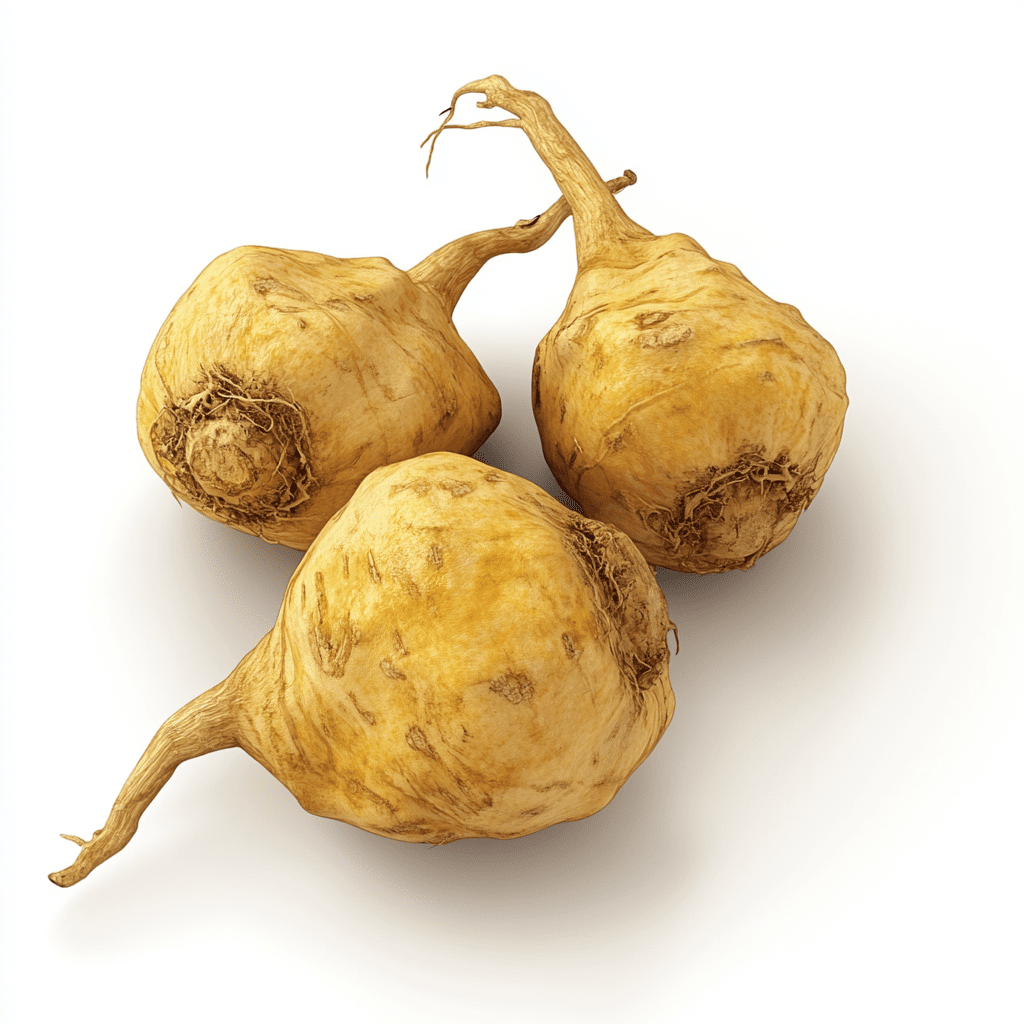
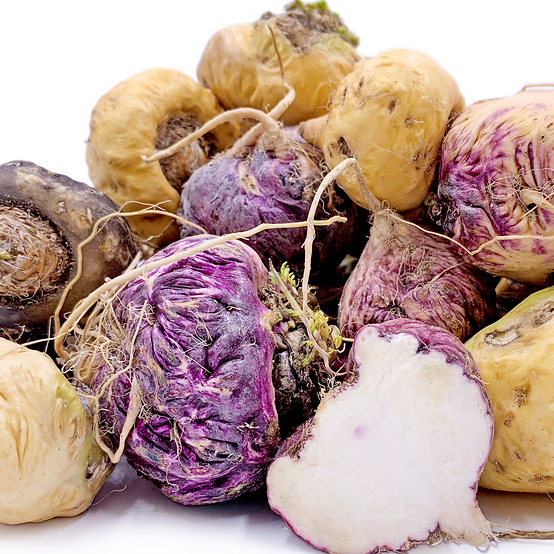
Botanical name:
Lepidium meyenii
Alternative names:
Maca root, Peruvian ginseng, Maka, Mace, Maca-maca, Maino, Ayak chichira, Ayuk willku, Pepperweed
Main indications:
low energy
infertility
THIS PLANT IS PART OF THE CORAZÓN DEL PUMA HERBAL FORMULA.
Short characteristics:
Maca (Lepidium meyenii) is a root vegetable native to the high-altitude regions of the Peruvian Andes, long revered in traditional medicine for its numerous health-promoting properties. It is widely used to boost energy, stamina, and overall vitality, making it a popular adaptogen among indigenous communities and modern wellness practitioners alike. Traditionally, maca is believed to support hormonal balance, enhance fertility in both men and women, and improve libido. Its rich profile includes essential amino acids, vitamins (notably B vitamins and vitamin C), minerals such as zinc, iron, and magnesium, and bioactive compounds like glucosinolates and macamides. Scientific research has validated many of these claims, showing that maca can improve mood, reduce stress, enhance physical endurance, and support hormonal health, making it a holistic remedy for those seeking to balance body and mind naturally.
The usual way of use:
Maca is almost always consumed in powder form. When using plain powdered maca, the typical dose is 5-7 grams (roughly 1 teaspoon) per day. For concentrated herbal extracts, the dosage should be adjusted according to their potency, following the instructions on the product label or as prescribed by a healthcare professional.
Composition
The medicinal potency of maca comes from its rich and unique phytochemical profile:
- Macamides and Macaenes: These are bioactive fatty acids exclusive to maca, believed to support energy, stamina, and hormonal balance. Macaenes exhibit adaptogenic properties, helping the body cope with stress.
- Glucosinolates: Sulfur-containing compounds that support detoxification, immune health, and possibly reproductive functions.
- Vitamins: Notably B-vitamins (such as B1, B2, B3, B6) and vitamin C, crucial for energy production and immune support.
- Minerals: Rich in zinc, magnesium, iron, calcium, and iodine—integral to hormonal health, bone strength, and metabolic processes.
- Amino acids: Including essential amino acids supporting muscle repair and overall vitality.
This diverse composition enhances maca’s reputation as a nurturing tonic for both physical and mental health.
Traditional Use
For thousands of years, Andean communities have relied on maca for various medicinal purposes:
- Enhancing fertility and supporting reproductive health in both men and women. Traditional healers prepared maca infusions and powders to improve libido, sperm quality, and menstrual function.
- Boosting energy and stamina during long journeys, agricultural work, or military campaigns. Indigenous peoples believed maca helped them overcome fatigue and increased endurance.
- Supporting hormonal balance: maca was used to alleviate symptoms of hormonal imbalance such as menstrual irregularities, menopause, and postpartum depression.
- Promoting general vitality and immune function: high in nutrients, maca was consumed regularly to strengthen the body, prevent disease, and recover from illness.
- Aphrodisiac properties: traditionally regarded as a natural enhancer of libido and sexual performance in both genders.
- Cultural and spiritual use: often incorporated into rituals for vitality, strength, and spiritual well-being.
Maca’s use was integral to maintaining balance—“sacred sustenance”—that supported the health of individuals and entire communities.
Precautions and Possible Interactions
While maca has a long tradition of safe use, modern studies recommend caution:
- Hormonal effects: Because maca influences hormone levels, individuals with hormone-sensitive conditions (like breast or prostate cancer) should consult healthcare providers before use.
- Pregnancy and breastfeeding: Limited information is available; pregnant or lactating women are advised to seek medical advice before supplementing with maca.
- Medication interactions: Maca may affect hormone therapy, birth control pills, or hormone-related treatments. It could potentially enhance or interfere with these medications.
- Thyroid conditions: Since maca contains iodine, individuals with thyroid disorders should monitor their intake and consult their healthcare provider.
Overall, moderation is key, and long-term use should be supervised by a healthcare professional.
Available Scientific Studies
Recent scientific research has confirmed several of the traditional claims related to maca’s health benefits:
**“Ethnobiology and Ethnopharmacology of Lepidium meyenii (Maca)”**
Authors: G.F. Gonzales et al. (2012)
Overview: Reviews nutritional, energizing, fertility-enhancing properties, and effects on sexual dysfunction, osteoporosis, benign prostatic hyperplasia, memory, and skin protection.
Link: https://pmc.ncbi.nlm.nih.gov/articles/PMC3184420/ MDPI+10MDPI+10RSC Publishing+10ScienceDirect+4PMC+4PMC+4Wiley Online Library**“A comprehensive review of the effects of Maca – Lepidium meyenii”**
Authors: (Unspecified; recent comprehensive review)
Overview: Provides an in-depth analysis of Maca’s phytochemistry and pharmacological properties shown in both preclinical and clinical contexts, including neuroprotection, anti-inflammatory, immunoregulation, and antioxidant effects.
Link: https://pubmed.ncbi.nlm.nih.gov/38440178/ PubMed**“A randomized, double‑blind, placebo‑controlled study of red and black maca extracts”**
Authors: C. Gonzales-Arimborgo et al. (2016)
Overview: Found that both red and black maca improved mood, energy, and high-altitude health indicators more effectively than placebo in a 12-week trial.
Link: https://www.mdpi.com/1424-8247/9/3/49 Wiley Online Library+15MDPI+15Healthline+15**“Maca (L. meyenii) for improving sexual function: a systematic review”**
Authors: (Review compiled in BMC Complementary and Alternative Medicine, 2010)
Overview: Evaluated randomized clinical trials; found limited but suggestive evidence that maca can improve sexual function, with authors noting the need for higher-quality studies.
Link: https://bmccomplementmedtherapies.biomedcentral.com/articles/10.1186/1472-6882-10-44 MDPI+10BMC Complementary Medicine and Therapies+10PubMed+10Verywell Health+1**“The use of maca (Lepidium meyenii) to improve semen quality”**
Authors: (Systematic review, 2016)
Overview: Includes RCTs and observational studies; overall suggests maca may improve semen parameters like sperm motility and count, but calls for more rigorous trials.
Link: https://pubmed.ncbi.nlm.nih.gov/27621241/ Wiley Online Library+15PubMed+15ScienceDirect+15**“The Effects of Maca (Lepidium meyenii) on Physical Performance”**
Authors: (Meta-analysis, 2024)
Overview: Shows that macamides (bioactive compounds in maca) significantly enhanced physical performance, with a clear dose-response relationship.
Link: https://www.mdpi.com/2072-6643/17/1/107 WJMH+6MDPI+6PubMed+6MDPI+1**“The Effects of Maca on Cellular Oxidative Stress”**
Authors: (Systematic review and meta-analysis, 2023)
Overview: Found that maca supplementation significantly improved cellular antioxidant markers such as glutathione, glutathione peroxidase, and superoxide dismutase.
Link: https://www.mdpi.com/2076-3921/13/9/1046 MDPI**“Maca for treatment of menopausal symptoms”**
Authors: (Systematic review; Maturitas, 2011)
Overview: Indicates limited evidence supporting maca’s effectiveness in alleviating menopausal symptoms such as hot flashes and mood disturbances.
Link: https://www.sciencedirect.com/science/article/abs/pii/S0378512211002623PubMed+3ScienceDirect+3Maturitas+3Healthline