

MACA

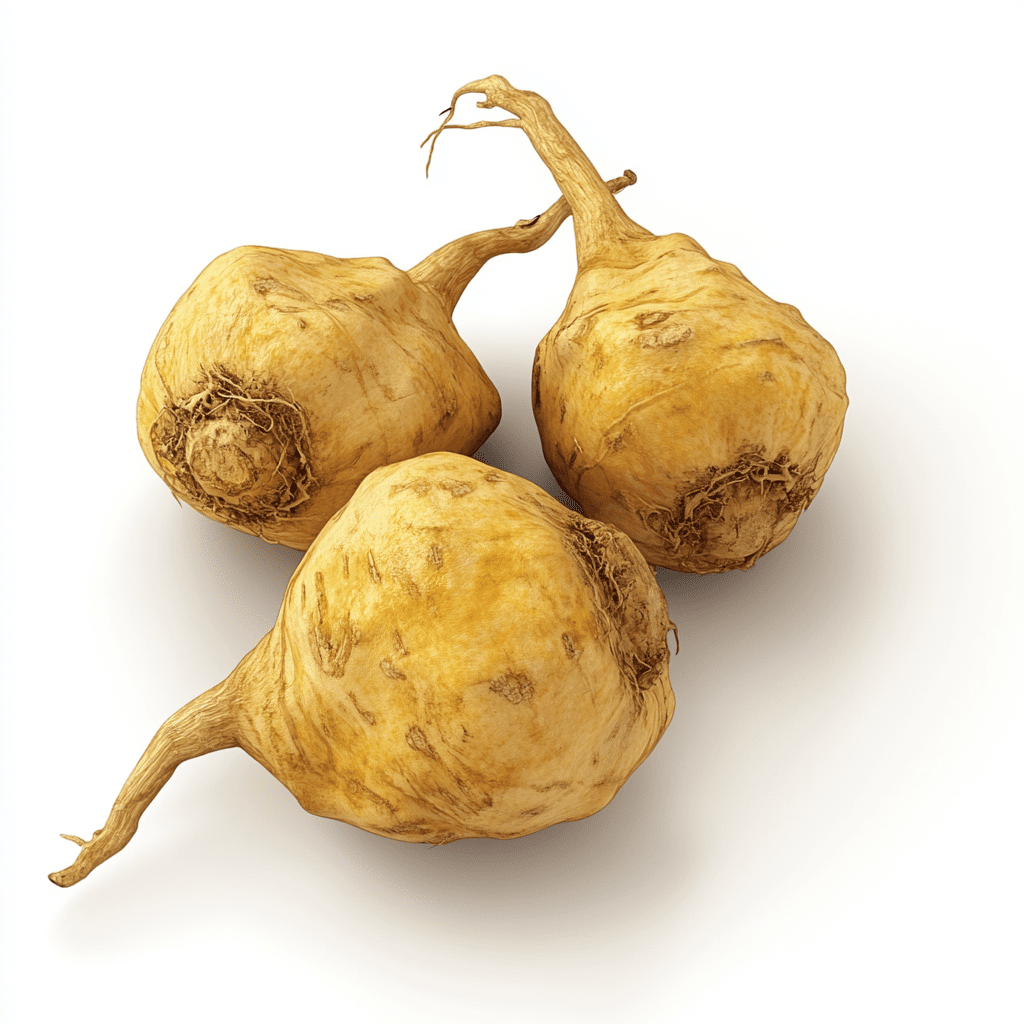
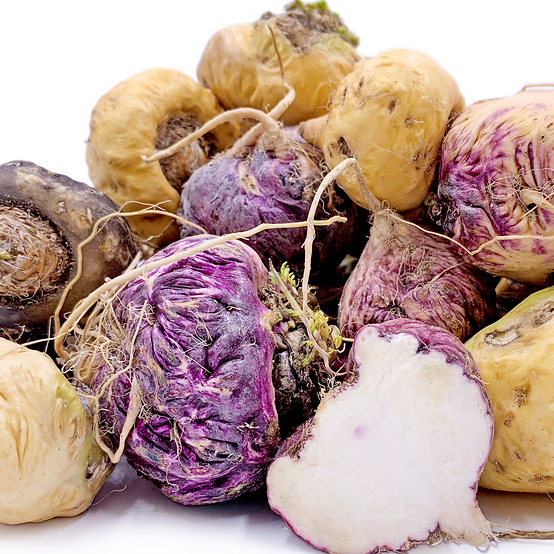
Botanical name:
Lepidium meyenii Walp.
Alternative names:
Maca, maka, ayak chichira, ayuk willku. “Peruvian ginseng” is trade slang; it is a brassica, not a ginseng.
Main indications:
high-Andes food hypocotyl
folk everyday energy
folk desire
THIS PLANT IS PART OF THE CORAZÓN DEL PUMA HERBAL FORMULA.
Short characteristics:
Grown around 4000–4500 m on the Junín plateau. Farmers dry the hypocotyl until it is a stone, then boil it. That is food that stores through a cold season. It is not an Amazonian shaman plant and not a jungle dieta teacher. A few small human trials report desire or energy scores; a 2010 systematic review called the evidence limited. I will not turn that into a fertility clinic.
Gonzales 2012 is the Andes review. Shin 2010 pooled four RCTs and called the evidence limited. This site sells nothing.
The usual way of use:
Traditional use is boiled dried hypocotyl or flour, food amounts (often cited around 5–7 g powder). Extracts are a different object.
This site sells nothing.
WARNING: Eat it cooked/dried as locals do. Hormone-sensitive conditions: talk to a clinician, don’t guess. Not an infertility drug. Iodine talk is overstated in marketing.
Composition
Starch, protein, glucosinolates, macamides/macaenes (brassica-specific lipids), minerals. Colour types (yellow/red/black) are not interchangeable in the lab; that has not been sorted in the clinic.
Traditional use
Andean food; colonial notes on fertility and “stimulant.” Not Amazonian.
Precautions
Cooked/dried as food. Hormone-sensitive conditions: ask a clinician. Not an infertility protocol.
Opened studies
Gonzales (2012). Maca at 4000–4500 m; human desire/sperm notes. Do not copy every animal line. PMID 21977053 · PMC3184420.
Shin et al. (2010). Maca for sexual function: systematic review of 4 RCTs. Limited evidence; small n. PMID 20691074 · PMC2928177.