Contact Info

JUAN DE ALONSO

Botanical name:

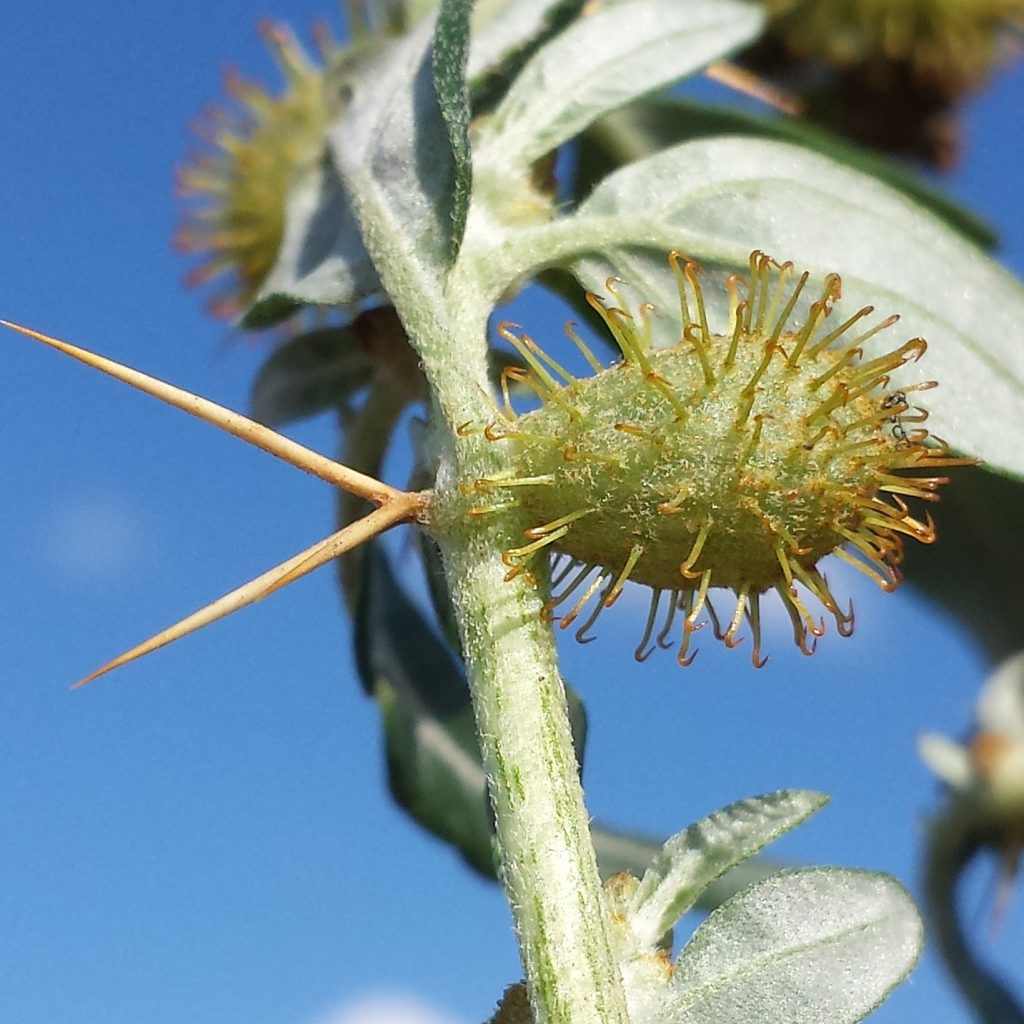
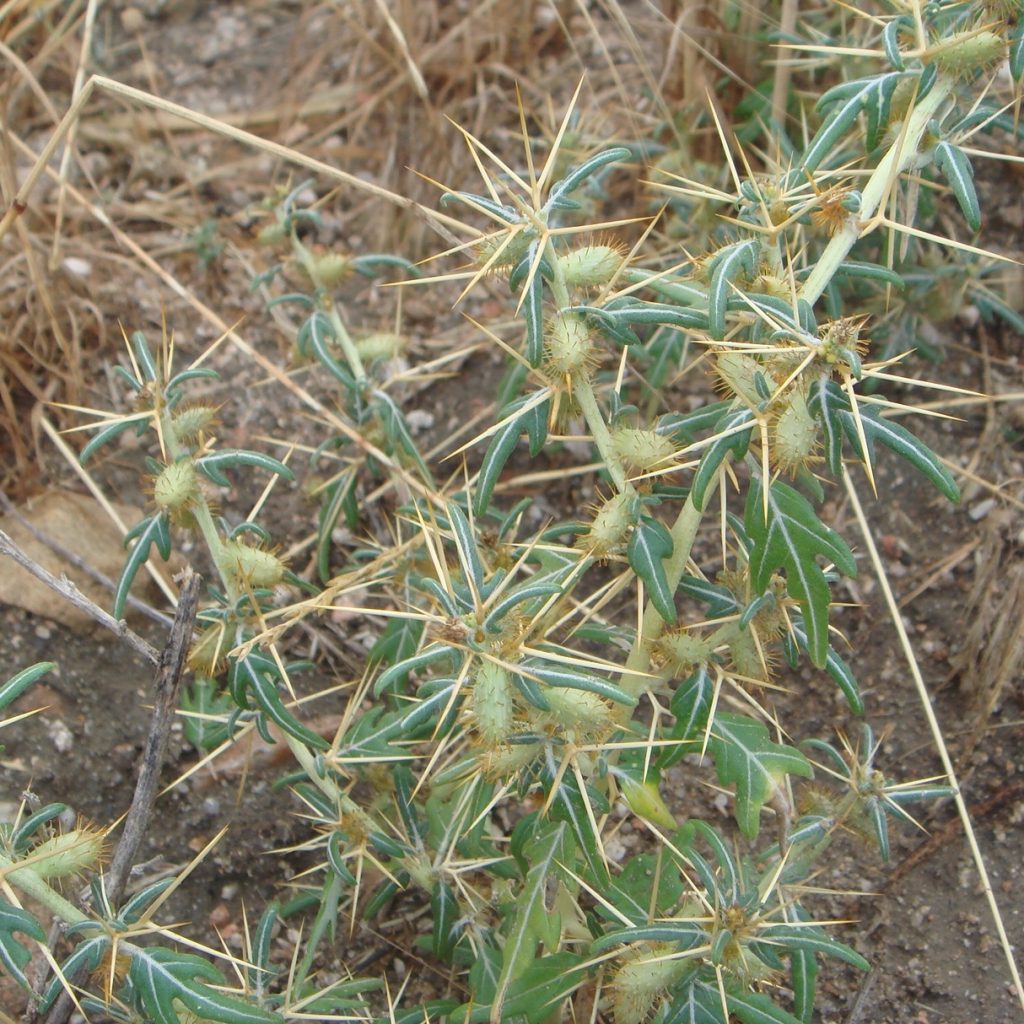
Xanthium spinosum (also Acanthoxanthium spinosum)

Main indications:

  • kidney and prostate inflammation
  • urinary tract infections, bladder infections, urinary retention
  • ovarian inflammation
  • fever reduction

Short characteristics:

Decoctions made from this plant are believed to possess anti-inflammatory, antiseptic, antibacterial, cytostatic, and spasmolytic effects, making it a valuable remedy for infections and tissue inflammation. Scientific studies support its antibacterial activity, demonstrating effectiveness against strains such as Staphylococcus aureus, Pseudomonas aeruginosa, Salmonella typhimurium, Klebsiella pneumoniae, and Escherichia coli. Beyond its antimicrobial use, Juan de Alonso is traditionally employed to help treat addictions—including alcohol, tobacco, and narcotics—highlighting its connection to holistic healing practices. Additionally, the herb is used as a natural yellow dye, reflecting its cultural importance not only in medicine but also in local arts and crafts.

The usual way of use:

1 to 3 grams of dried herb (up to one full spoon) should be gently cooked in about 0.7 liters of water for 5 minutes. Drink throughout the day.

Powdered herbal extract, whether in capsules or in powder form, should be taken twice a day. The dose depends on the potency—please follow the instructions on the label or consult your health practitioner for guidance.

WARNING: The cure shouldn’t exceed 2 months. This plant can be nephrotoxic (poisonous for kidneys). After 8 weeks of use, don’t use for at least another 8 weeks.

Composition

Juan de Alonso, scientifically associated with species of the Corydoras genus (though the specific botanical classification can vary), is known for its rich phytochemical profile. The most studied compounds include:

  • Alkaloids: The plant contains several alkaloids, such as quinoline derivatives, which contribute to its antibacterial and cytostatic effects. These alkaloids have been linked to inhibiting bacterial growth and modulating immune responses.
  • Tannins: These water-soluble phenolic compounds have astringent and antiseptic properties, aiding in wound healing and bacterial suppression.
  • Flavonoids: Known for their antioxidant and anti-inflammatory effects, flavonoids like quercetin derivatives have been identified in extracts of Juan de Alonso.
  • Phenolic acids: These compounds (such as chlorogenic acid) support detoxification and reduce oxidative stress.

This complex composition ensures the herb’s effectiveness in fighting infection, inflammation, and supporting tissue regeneration. Its bioactive compounds work synergistically, making it a potent herbal remedy.


Traditional Use

Juan de Alonso has a long-standing history among Amazonian and Andean peoples. Its traditional applications include:

  • Wound healing: Poultices prepared from the bark or leaves are applied directly to cuts, burns, and skin infections, based on its antiseptic and tissue regenerative properties.
  • Treatment of infections: Decoctions and infusions are taken internally to combat bacterial and parasitic infections, particularly gastrointestinal issues like diarrhea and intestinal parasites.
  • Anti-inflammatory applications: The plant is traditionally used to reduce swelling and joint pain, especially in chronic inflammatory conditions such as arthritic complaints (this is also how the herb is used in the Traditional Chinese Medicine).
  • Blood detoxification: Indigenous healers believe that Juan de Alonso helps cleanse the bloodstream of toxins accumulated from environments or illnesses, supporting systemic health and immunity.
  • Fever reduction: The decoction is used to help lower high fevers during infections.

In many communities, Juan de Alonso is considered a “potion of life,” integral to maintaining harmony within the body and with nature.


Precautions and Possible Interactions with Medicines

Despite its traditional use and promising laboratory results, Juan de Alonso should be approached with caution:

  • Limited scientific safety data: There are no comprehensive clinical trials confirming its safety in humans or standardized dosage guidelines.
  • Potential interactions: Its cytostatic alkaloids could theoretically interact with medications that affect cell growth or immune function, such as chemotherapy drugs or immunosuppressants.
  • Pregnancy and breastfeeding: As with many herbal remedies, safety during pregnancy or lactation is not established, and use should be under medical supervision.
  • Allergic reactions: Some individuals may experience allergic responses, especially if they have sensitivities to plants in the same family.

Recommendation: Always consult a healthcare professional or a qualified herbalist before including Juan de Alonso in treatment protocols—especially if combining with prescribed medicines or managing chronic health conditions.


Available Scientific Studies 

While research on Juan de Alonso specifically is limited, several studies and quotations support its medicinal potential:

  • “Phytopharmacological review of Bathurst burr (Xanthium spinosum L.)”
    Authors: Erzsébet Domokos, László Kursinszki, Kelemen Hajnal, E. Varga
    Overview: A comprehensive review outlining traditional uses—such as treatments for urinary and prostate ailments—alongside pharmacological properties. It identifies key compounds like flavones, polyphenols, sesquiterpene lactones (e.g., xanthatin), diterpenes (e.g., atractyloside), and phytosterols. The review includes evidence of efficacy in rat models of benign prostate hyperplasia and notes antimicrobial activities of xanthatin.
    Link:https://www.researchgate.net/publication/306187891_Phytopharmacological_review_of_bathurst_burr_Xanthium_spinosum_L

  • “Modulation of COX, LOX and NFκB activities by Xanthium spinosum L. (Asteraceae)”
    Authors: A. Bader et al.
    Overview: Investigates how extracts of X. spinosum affect key inflammatory pathways—cyclooxygenase (COX), lipoxygenase (LOX), and NF‑κB—underscoring its potential anti-inflammatory properties.
    Link: https://www.sciencedirect.com/science/article/abs/pii/S0367326X13002608

  • Traditional Ethnobotanical Uses of Xanthium spinosum
    Authors (reported sources): O. K. Khojimatov and R. W. Bussmann, among others
    Overview: A detailed compilation of folk medicinal uses in regions like Central Asia, South America, the Himalayas, and more. Includes applications for skin diseases, fever, cough, diarrhea, malaria, rheumatism, toothache, allergies, and more, with both internal (infusions) and external (ointments, decoctions) preparations.
    Link: https://www.researchgate.net/publication/373407776_Xanthium_spinosum_L_Xanthium_strumarium_L_-_ASTERACEAE