

HIERBA LUISA
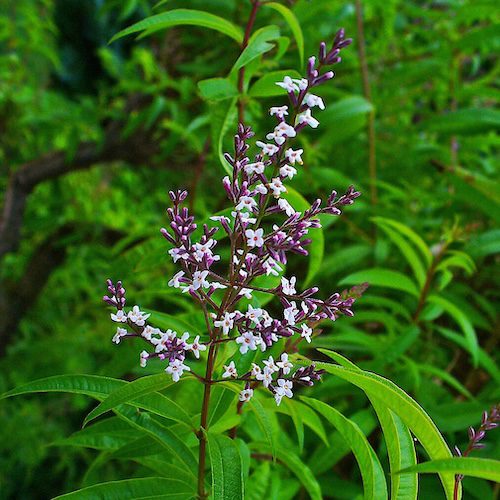
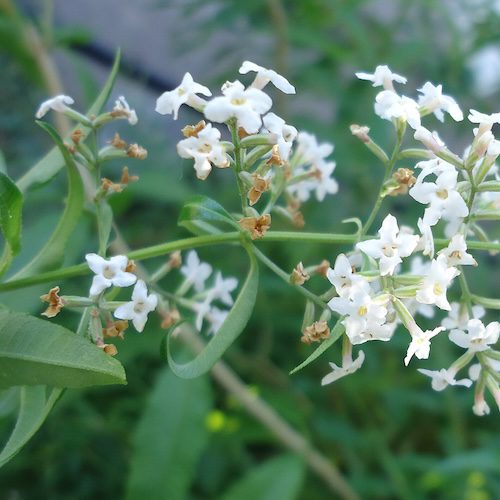
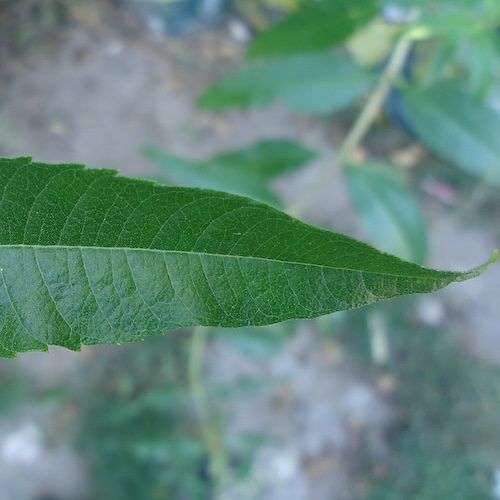
Botanical name:
Aloysia citrodora (also Lippia citriodora, Aloysia citriodora)
Alternative names:
Lemon beebrush, Cedrón, Cidrón, Hierbaluisa, Verbena de Indias, Acate de limón, Té limón, Té de caña, Jichu sokkos, Suyuisa y jichu cedrón, Zacate de limón, Santol, Cañita de limón, Yerba de calentura, Yerba limón, Limoncillo, Erva cidreira, Limonera, Caña santa
Main indications:
Stomach problems (gastrointestinal discomfort)
Digestive issues (indigestion, bloating)
Nausea and vomiting
Abdominal pain and cramps
Bloating and intestinal gas
Colic and cramping
Inflammations (e.g., respiratory or digestive)
Fungal infections (skin or mucosal)
Pain relief (analgesic effect)
Cold symptoms (common cold, sore throat)
Flu and flu-like illnesses
Asthma and bronchitis
Fever and febrile conditions
THIS PLANT IS PART OF THE HOJAS DEL ESPÍRITU ANACONDA AND TAPIR VERDE HERBAL FORMULAS.
Short characteristics:
Hierba Luisa, a fragrant perennial herb native to the Amazon and Central America, is renowned for its soothing and medicinal properties. Rich in phenolic compounds and flavonoids, it exhibits potent anti-inflammatory, antispasmodic, and antimicrobial effects. Traditionally, it has been used to relieve gastrointestinal discomforts such as indigestion, bloating, and colic, as well as to reduce inflammation in respiratory conditions like asthma and bronchitis. Its calming properties help ease nervous tension and promote relaxation, making it useful for stress and insomnia. Additionally, Hierba Luisa is valued for its antiseptic qualities, effectively supporting the treatment of fungal infections and skin irritations. Its versatility and broad therapeutic effects have made it a staple remedy in traditional herbal medicine for improving both digestive and respiratory health.
The usual way of use:
The leaves can be used according to your preference as there is no danger of overdose. Pour boiling water over the leaves and let simmer for several minutes or gently boil for 5 minutes.
Powdered herbal extract, whether in capsules or in powder form, should be taken twice a day. The dose depends on the potency—please follow the instructions on the label or consult your health practitioner for guidance.
Composition
The healing properties of Hierba Luisa primarily stem from its rich phytochemical profile:
- Phenolic acids: Especially chlorogenic acid and caffeic acid, known for their strong antioxidant and anti-inflammatory activities.
- Flavonoids: Including quercetin, kaempferol, and rutin, which contribute to its antioxidant, anti-inflammatory, and vasodilatory effects.
- Essential oils: Rich in limonene, citral, and geraniol, responsible for its characteristic lemon scent, with antimicrobial and soothing properties.
- Tannins: Polyphenolic compounds that help reduce inflammation and support tissue healing.
- Vitamins and minerals: Such as vitamin C, supporting immune function and cellular health.
This complex mixture of bioactive compounds provides a wide spectrum of therapeutic effects.
Traditional Use
Indigenous tribes and herbal healers of the Amazon region have used Hierba Luisa for various medicinal purposes:
- Digestive aid: Decoctions or infusions are traditionally employed to soothe stomach pains, indigestion, bloating, and constipation. Its mild sedative effects also help alleviate nervous tension associated with digestive disorders.
- Respiratory relief: It has been used to treat coughs, bronchitis, asthma, and sore throats due to its anti-inflammatory and antimicrobial properties.
- Calming and stress relief: Herba Luisa is valued for its relaxing effects, helping reduce nervous tension, anxiety, and insomnia.
- Anti-inflammatory: Applied topically or ingested to reduce inflammation, swellings, and pain, especially in conditions like arthritis.
- Antimicrobial support: Traditionally, it is used to prevent or treat skin infections, fungal infections, and other microbial conditions.
Its pleasant aroma and taste make it a popular herb not only in medicine but also in teas and infusions that support overall health.
Precautions and Possible Interactions
Although Herba Luisa is considered safe in traditional use, some precautions are advisable:
- Allergic reactions: Sensitive individuals may develop allergies, especially if allergic to other herbs or plants in the Lamiaceae family.
- Pregnancy and breastfeeding: Limited scientific data exists on safety during pregnancy or lactation; consult a healthcare provider before use in these periods.
- Drug interactions: Because of its relaxing effects, Herba Luisa may enhance the sedative effects of medications like sleeping pills or anti-anxiety drugs. It may also interact with blood pressure or blood thinning medications, so caution and medical consultation are advised if you’re on such treatments.
As always, it is recommended to first consult with a healthcare professional before adding herbal infusions like Herba Luisa to your routine, especially if you are on medication or managing health conditions.
Available Scientific Studies
Recent scientific research supports many traditional claims regarding Herba Luisa’s medicinal properties:
**“Aloysia citrodora Paláu (Lemon verbena): A review of phytochemistry and pharmacology”**
Authors: Roodabeh Bahramsoltani, Pourouchista Rostamiasrabadi, Zahra Shahpiri, André M. Marques, Roja Rahimi
Overview: A comprehensive review detailing traditional uses and phytochemistry, including antioxidant, anxiolytic, neuroprotective, anticancer, anesthetic, antimicrobial, and sedative activities.
Link: https://pubmed.ncbi.nlm.nih.gov/29698776/ Wiley Online Library+10PubMed+10ScienceDirect+10**“Antioxidant‑Rich Extracts from Lemon Verbena (Aloysia citrodora)”**
Authors: V. Athanasiadis et al. (2024)
Overview: Focused on developing green extraction methods for antioxidant compounds (polyphenols, ascorbic acid, carotenoids) from lemon verbena for potential use in food and pharmaceuticals.
Link: https://www.mdpi.com/2673-9801/4/1/1 MDPI**“Effects of the aroma of lemon verbena (Aloysia citrodora)… as an antianxiety agent”**
Authors: K. Haryalchi et al. (2023)
Overview: Demonstrates that inhaled lemon verbena essence exerts anxiolytic effects comparable to diazepam, possibly via the GABAergic system.
Link: https://onlinelibrary.wiley.com/doi/full/10.1002/hsr2.1282 PMC+9Wiley Online Library+9ScienceDirect+9**“Lippia citrodora (Lemon Verbena) Extract Helps Reduce Stress and Improve Sleep Quality in Adolescents”**
Authors: Pau Navarro, Adrián García, Roberta Villa, Vincenzo Nobile, and others (2025)
Overview: A double‑blind randomized trial in adolescents found that fresh lemon verbena extract reduced stress (via cortisol levels) and improved sleep quality versus placebo.
Link: https://www.mdpi.com/2076-3417/15/11/5856 ScienceDirect+15MDPI+15ResearchGate+15