

FLOR DE ARENA
Botanical name:
Tiquilia paronychioides
Alternative names:
Paja de lagartija, Mano de ratón
Main indications:
detox of the whole body, especially endocrine system
gout
insomnia
bladder and prostate inflammation
THIS PLANT IS PART OF THE LLUVIA SAGRADA HERBAL FORMULA.
Short characteristics:
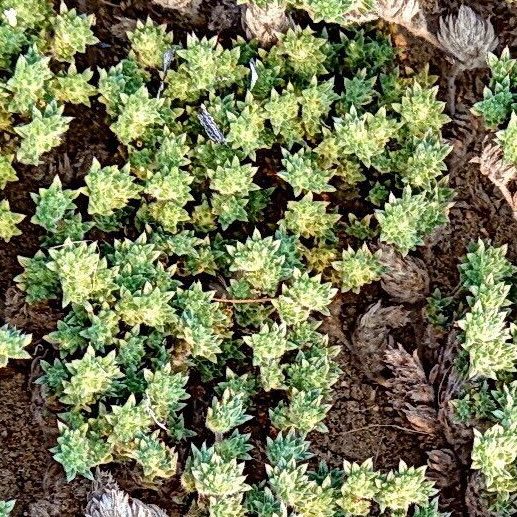
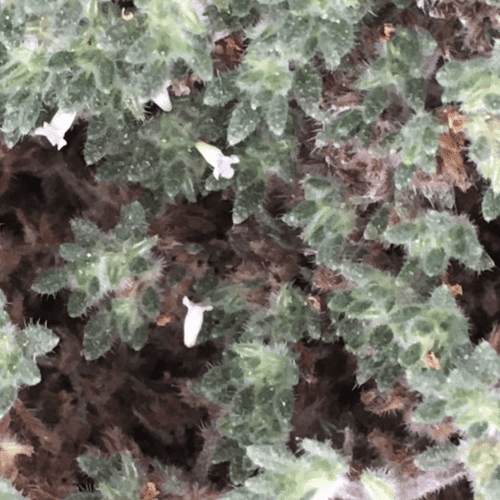
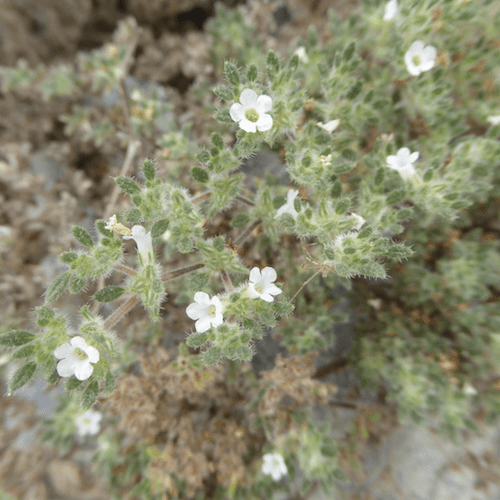
Flor de Arena, known scientifically as Tiquilia paronychioides, is a highly aromatic, wild-growing herb native to the entire Peruvian Andes. Traditionally, this plant has been valued for its calming, anti-inflammatory, and detoxifying effects. It is believed to positively influence the nervous system and support metabolic health. In Peruvian folk medicine, Flor de Arena is used in various ways: to aid in body detoxification, support the endocrine system (including glands and hormonal balance), and protect and cleanse the liver and kidneys. It is also employed to treat gout by reducing blood uric acid levels, alleviate nervousness and insomnia, address hyperacidity of the stomach, and combat urinary tract inflammations and mucosal infections, as well as prostate issues. The plant’s entire aerial part—which consists of slender stems, ovate leaves covered with fine hairs, and small, grape-like flowers—is used in traditional preparations. In phytotherapy, infusions made from freshly boiled plant material help detoxify the neuro-endocrine system and remove excess uric acid from the blood caused by excessive protein consumption. Its calming, stress-relieving properties improve nerve health, aid in managing insomnia, depression, and neuroses, and regulate the neurovegetative system in overly anxious individuals exhibiting sweating and adrenaline surges. Additionally, Flor de Arena helps regulate digestive disorders, poor appetite, obesity, hyperacidity, urinary and mucosal inflammations, as well as prostate and gout issues. It acts as a natural diuretic, promotes cleansing of the kidneys, and is one of the three plants—along with Manayupa and Hercampuri—that form the core of Peruvian detox herbal therapy. Often used in cases of poisoning from food.
The usual way of use:
Do not boil. Pour hot water over the dried (1 spoon) or fresh herb and let simmer for 10 to 15 minutes. Dring twice or 3 times a day.
Powdered herbal extract, whether in capsules or in powder form, should be taken twice a day. The dose depends on the potency—please follow the instructions on the label or consult your health practitioner for guidance.
Composition
The medicinal effects of Flor de Arena are driven by a complex array of bioactive compounds:
- Alkaloids: The plant contains alkaloids such as norlignan and mitraphylline, which possess anti-inflammatory, immunomodulatory, and analgesic properties.
- Flavonoids: Compounds like quercetin and kaempferol derivatives support antioxidant activity and inflammation reduction.
- Tannins: Polyphenols that have astringent, antimicrobial, and anti-inflammatory effects, contributing to tissue healing.
- Phenolic acids: Including chlorogenic acid, which helps combat oxidative stress and supports detoxification.
- Essential oils: Slight aromatic terpenoids that may contribute to the calming, stress-relieving effects.
The combination of these phytochemicals supports the plant’s traditional applications aimed at detoxification, inflammation reduction, and nervous system support.
Traditional Use
For centuries, indigenous Andean communities have used Flor de Arena for various health conditions:
- Detoxification: Decoctions of the entire aerial part—stems, leaves, and flowers—are administered to help eliminate toxins and support the body’s cleansing processes.
- Regulation of the endocrine and nervous systems: It is used to combat nervousness, anxiety, and insomnia, promoting mental calmness and emotional balance.
- Support for metabolic health: Traditionally, Flor de Arena is employed to regulate blood sugar levels, support weight management, and improve digestion.
- Liver and kidney protection: As a natural detoxifier, it helps protect these vital organs from toxins and supports their elimination function.
- Anti-inflammatory and pain relief: External and internal applications are used to treat muscle pains, joint inflammations, and inflammatory conditions such as arthritis.
- Urinary and mucosal health: It is traditionally used to alleviate urinary tract inflammations, cystitis, and prostate disorders.
- Use in poisoning and food intoxication: In cases of accidental poisoning or food-related toxicity, Flor de Arena is a remedy that promotes detoxification and recovery.
The herb’s use is usually by infusion of fresh or dried plant parts, often combined with other native herbs for synergistic effects.
Precautions and Possible Interactions
Despite its long-standing traditional use, scientific validation of safety and interactions is limited. Therefore, caution and consultation with health professionals are advised:
- Potential toxicity: While generally considered safe when used appropriately, high doses or prolonged use might cause gastrointestinal discomfort or allergic reactions.
- Drug interactions: As a likely modulator of the nervous and detox systems, it could interact with medications affecting blood pressure, blood sugar, or immune responses. For example, it may enhance the effects of hypotensive drugs or antidiabetics—thus, monitoring and professional advice are essential.
- Pregnancy and breastfeeding: There is insufficient evidence on safety during pregnancy and lactation, so it is best to avoid use or consult a healthcare provider.
- Allergic reactions: Some individuals may develop sensitivities to the plant, especially if allergic to other herbs in the Lamiaceae or Asteraceae families.
In summary: Always seek professional guidance before regular or high-dose use, especially if you are on medication or have pre-existing health conditions.
Available Scientific Studies
While traditional use is well-documented, modern research is emerging to support its potential:
**”Tiquilia paronychioides (Phil.) A. T. Richardson (Boraginaceae): An ethnobotanical, ethnopharmacological, and toxicological review.”**
Authors: V. Saldaña‑Bobadilla, J.-K. Ramírez, E. Pérez‑Chauca & P. Minchan‑Herrera (2020)
Overview: This review compiles traditional uses—such as diuretic, sedative, anti‑inflammatory, antioxidant, detoxifying, and treatments for urinary, renal, and gallstone-related conditions—yet highlights a notable lack of experimental pharmacological or toxicological data to substantiate them.
Link: https://ethnobotanyjournal.org/index.php/era/article/view/1829 (ethnobotanyjournal.org)PMC+10ethnobotanyjournal.org+10ResearchGate+10
Phytochemical & Toxicological Analysis
**Phytochemical and Toxicological Assessment of Tiquilia paronychioides (“Flor de arena”)**
Authors: Katarzyna Zurowska et al. (Research Institute of Medicinal Plants, Poznań, Poland)
Overview: A pioneering phytochemical study in Poland involving a detailed analysis of the plant’s components, including flavonoids (quercetin, rutoside, hyperoside), phenolic acids (rosmarinic, caffeic), sterols (β‑sitosterol, stigmasterol, campesterol), fatty acids profile, mineral content (high in calcium and iron), absence of harmful pyrrolizidine alkaloids, and low acute toxicity (LD₅₀ > 15 g/kg). These results support potential antioxidant, anti‑inflammatory, hepatoprotective, diuretic, and detoxifying applications based on constituent activity.
Link: https://www.oroverde.biz/stranka/flor-de-arena-medicinal-plants/ (oroverde.biz) Academiaoroverde.biz
Antioxidant Activity Screening (Comparative Study)
**”Antioxidant Properties of Medicinal Plants from Peru.”**
Authors: A. Berłowski, K. Zawada, I. Wawer, K. Paradowska (2013)
Overview: This study compared aqueous infusions of ten Peruvian medicinal plants—including Tiquilia paronychioides (“Flor de arena”)—for antioxidant activity using DPPH, ABTS, and FRAP assays. Tiquilia paronychioides showed significant antioxidant potential among the tested species, likely due to its high phenolic content. However, the precise bioactive compounds responsible were not identified.
Link: https://www.scirp.org/journal/paperinformation?paperid=35269 (scirp.org)ResearchGate+12SCIRP+12SCIRP+12