

ERYTHRINA MULUNGU

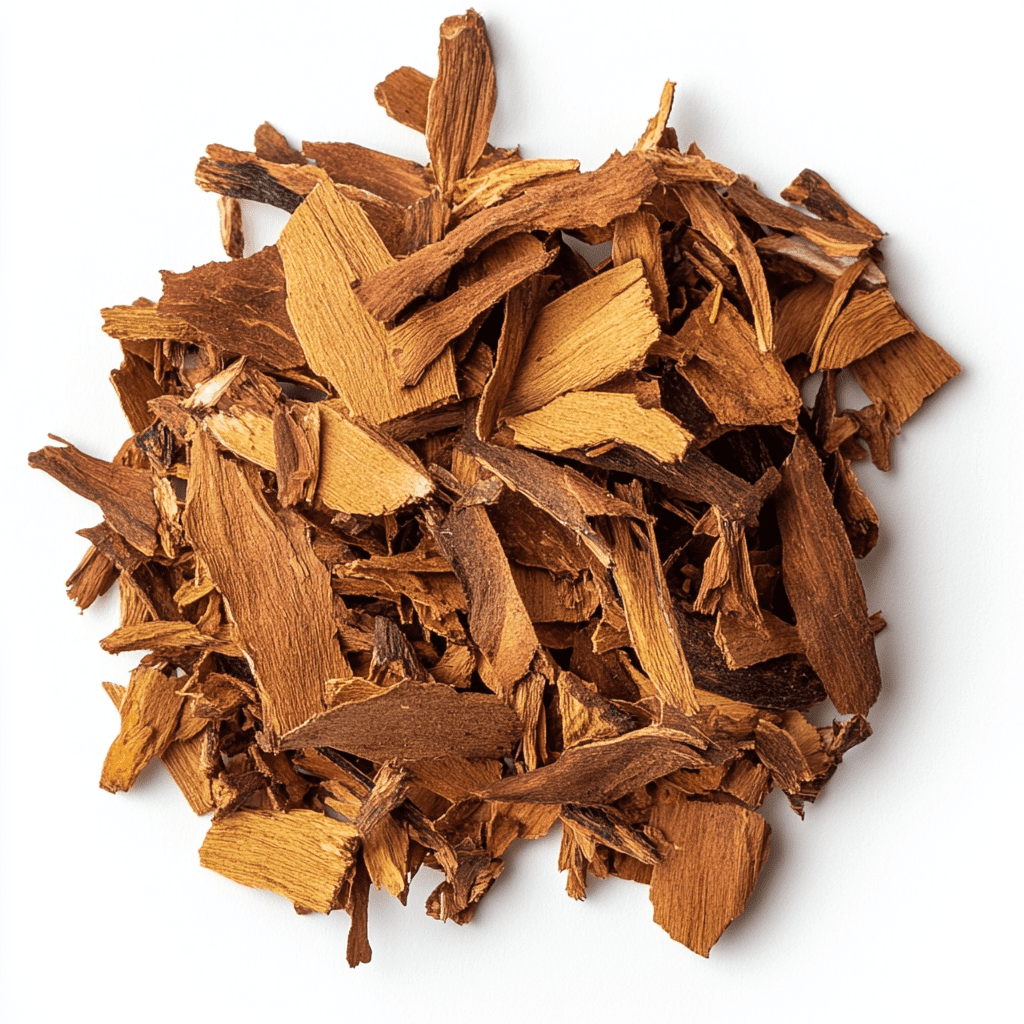

Botanical name:
Erythrina mulungu
Alternative names:
Mulungu, Corticeira, Murungu, Muchocho, Murungo, Totocero, Flor-de-coral, Árvore-de-coral, Amerikadeigo, Ceibo, Chilichi, Chopo, Hosoba deiko, Pau-imortal, Mulungu-coral, Capa-homem, Suiná-suiná
Main indications:
depression
anxiety
stress
insomnia
seizures
pain
THIS PLANT IS PART OF THE HOJAS DEL ESPÍRITU ANACONDA HERBAL FORMULA.
Short characteristics:
Erythrina mulungu, commonly known as Mulungu, is a medicinal plant widely used in traditional South American herbal medicine, particularly in Brazil. It is renowned for its calming and sedative properties, making it effective in reducing anxiety, stress, and insomnia. The plant contains alkaloids such as mitraphylline and other bioactive compounds that support nervous system relaxation and help alleviate muscle spasms and nervous tension. Additionally, Mulungu is used to support liver health, reduce inflammation, and boost the immune system. Scientific studies have shown that it has anxiolytic effects—supporting mental tranquility—while also possessing antioxidant and anti-inflammatory properties that contribute to overall well-being. Its natural calming effects have made it a popular choice for promoting restful sleep and emotional balance.
The usual way of use:
1 teaspoon of raw herb is used per one cup of tea. Either put the bark in cold water, bring to boil and let simmer for 15 minutes or pour boiling water over the bark and let simmer.
Powdered herbal extract, whether in capsules or in powder form, should be taken twice a day for problems such as anxiety and depression or before the sleep for insomnia. The dose depends on the potency—please follow the instructions on the label or consult your health practitioner for guidance.
WARNING: Mulungu is a sedative. Do not use it before driving or operating machinery. If you have low blood pressure or any cardiovascular issues, consult your healthcare professional before use.
Composition
The medicinal virtues of Mulungu are primarily due to its complex phytochemistry. Its bark and roots contain a rich mixture of alkaloids, including:
- Mitraphylline: Known for its anti-inflammatory, vasodilatory, and calming effects.
- Erythravine and Erysodine: Alkaloids with neuroprotective and sedative activities.
- Cristamidine: A novel alkaloid that supports liver health, recently demonstrated to have hepatoprotective effects in rat studies.
- Additional alkaloids: Erycristagallin, erysodine, erysodienone, and erysovine, which contribute to its diverse pharmacological actions.
The plant also contains triterpenes, flavonoids, and phenolic acids like vitexin, which support anti-inflammatory and antioxidant activities. Many of these compounds work synergistically to promote tissue repair, reduce inflammation, and support systemic health.
Traditional Use
For centuries, Amazonian tribes have relied on Mulungu as a natural remedy for anxiety and stress, often used in ceremonial and daily healing practices. Its calming effects are believed to help balance the nervous system, calming overactive neurotransmission associated with anxiety, panic, and insomnia.
In addition to its anxiolytic effects, Mulungu is traditionally used to treat inflammation, muscle pain, and rheumatism—providing relief from joint pains, muscular aches, and inflammatory conditions such as arthritis. Its bark decoctions are also employed for liver support, particularly for conditions like hepatitis, inflammation of liver and spleen, and as a detoxifying agent. Furthermore, indigenous healers use Mulungu during recovery from illness, as an adjunct to boost immunity and general vitality. It is also believed to have antimicrobial properties, making it useful for infections of the throat, urinary tract, and skin.
Precautions and Possible Interactions
While Mulungu has a long history of safe traditional use, scientific studies are still emerging. Some precautions include:
- Drug interactions: Its neuroactive alkaloids may alter GABAergic neurotransmission, similar to pharmaceutical anxiolytics like diazepam. Combining Mulungu with sedatives, antidepressants, or anti-anxiety medications could enhance effects or cause excessive sedation.
- Liver health: Unlike some herbal sedatives that may harm the liver, Mulungu has shown hepatoprotective effects, making it safer for use with liver conditions, but caution is advised when combining with medications affecting hepatic functions.
- Pregnancy and breastfeeding: Limited data exist, so pregnant or nursing women should consult healthcare providers prior to use.
- Allergic reactions: Possible in sensitive individuals, especially those allergic to plants in the Fabaceae family.
It is recommended to seek medical advice before regular use, especially if taking medications or managing serious health conditions.
Available Scientific Studies
Recent scientific investigations support many traditional claims:
**“Anxiolytic effects of erythrinian alkaloids from Erythrina mulungu**”
Authors: Otávio Aparecido Flausino Jr, Ana Maria Pereira, Vanderlan da Silva Bolzani, Ricardo Luiz Nunes‑de‑Souza
Link: https://pubmed.ncbi.nlm.nih.gov/17268084/ Wikipedia+15PubMed+15RSD Journal+15**“Erythrina mulungu Alkaloids Are Potent Inhibitors of Neuronal Nicotinic Receptor Currents in Mammalian Cells”**
Authors: Pedro Setti‑Perdigão, Maria A. R. Serrano, Otávio A. Flausino Jr, Vanderlan S. Bolzani, Marília Z. P. Guimarães, Newton G. Castro
Link: https://journals.plos.org/plosone/article?id=10.1371%2Fjournal.pone.0082726 PMC+3PLOS+3PubMed+3**“Effect of acute treatment with a water‑alcohol extract of Erythrina mulungu on anxiety‑related responses in rats”**
Authors: G. M. Onusic, R. L. Nogueira, A. M. S. Pereira, M. B. Viana
Link: https://www.scielo.br/j/bjmbr/a/kcbmL68d7wP6gFg6P8GCykg/?lang=enScienceDirect+15SciELO+15Wikipedia+15**“Anticonvulsant profile of the alkaloids (+)‑erythravine and (+)‑11‑α‑hydroxy‑erythravine isolated from the flowers of Erythrina mulungu Mart ex Benth (Leguminosae‑Papilionaceae)”**
Authors: S. A. Faggion, A. O. S. Cunha, H. A. Fachim, A. S. Gavin, W. F. dos Santos, A. M. S. Pereira, R. O. Beleboni
Link: https://www.epilepsybehavior.com/article/S1525-5050%2810%2900797-3/fulltext ScienceDirect+6Epilepsy Behavior+6RSD Journal+6PubMed+2RSD Journal+2**“Erythrina mulungu: Pharmacological Properties and …”** (Lit-review)
Author: L. M. A. Lima (2025)
Overview: Reviews traditional uses and pharmacological evidence of E. mulungu, highlighting sedative, anxiolytic, anticonvulsant, antibacterial, and antinociceptive activities.
Link: https://rsdjournal.org/index.php/rsd/article/view/48430 ScienceDirect+15RSD Journal+15Wikipedia+15