Contact Info

DREAM HERB

Botanical name:

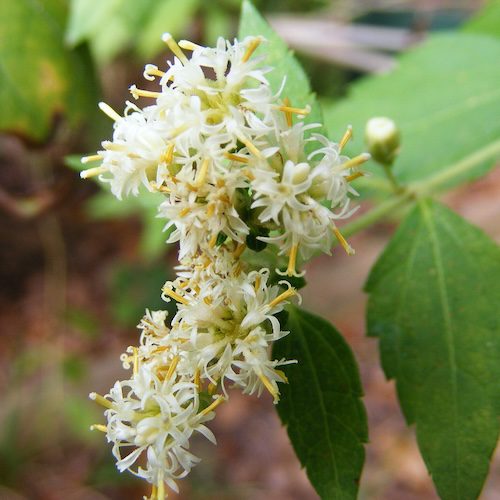
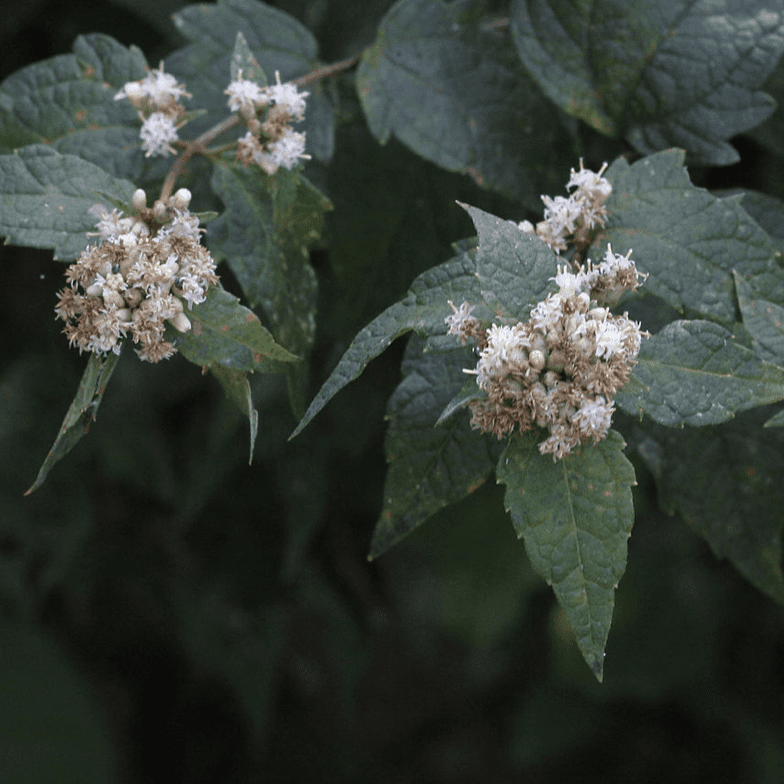
Calea zacatechichi (also Calea ternifolia)

Alternative names:

Bitter grass, Mexican Calea

Main indications:

  • induces lucid dreaming

THIS PLANT IS PART OF THE MÍSTICO DEL RANA DORADA HERBAL FORMULA.

Short characteristics:

Calea zacatechichi, commonly known as the “Dream Herb,” is a traditional plant native to Mexico and Central America, highly valued for its ability to enhance the vividness and recall of dreams. Indigenous peoples have used it for centuries in spiritual and divinatory rituals, believing that it opens a gateway to the spiritual realm and provides guidance through dreams. The herb was so revered that it was depicted on Aztec sculptures, such as the famous Xochipilli, symbolizing its sacred status. To the Aztecs, the name “Calea zacatechichi” means “bitter herb,” reflecting its taste and the respect it commanded as a mystical plant. The Chontal people of Oaxaca also used Calea to connect with spirits—its smoked leaves allowed shamans to receive divine messages and prophesies in their dreams, helping guide their communities. Though deeply rooted in Mexican culture and spirituality, Calea zacatechichi is increasingly gaining recognition worldwide. Scientific research indicates that certain compounds in the plant may influence brain activity related to dreaming and consciousness, supporting its traditional use as a tool for exploring the subconscious. Many modern practitioners continue to use it today, not only for spiritual insight but also as a means of fostering creativity and self-awareness through vivid, lucid dreams.

The usual way of use:

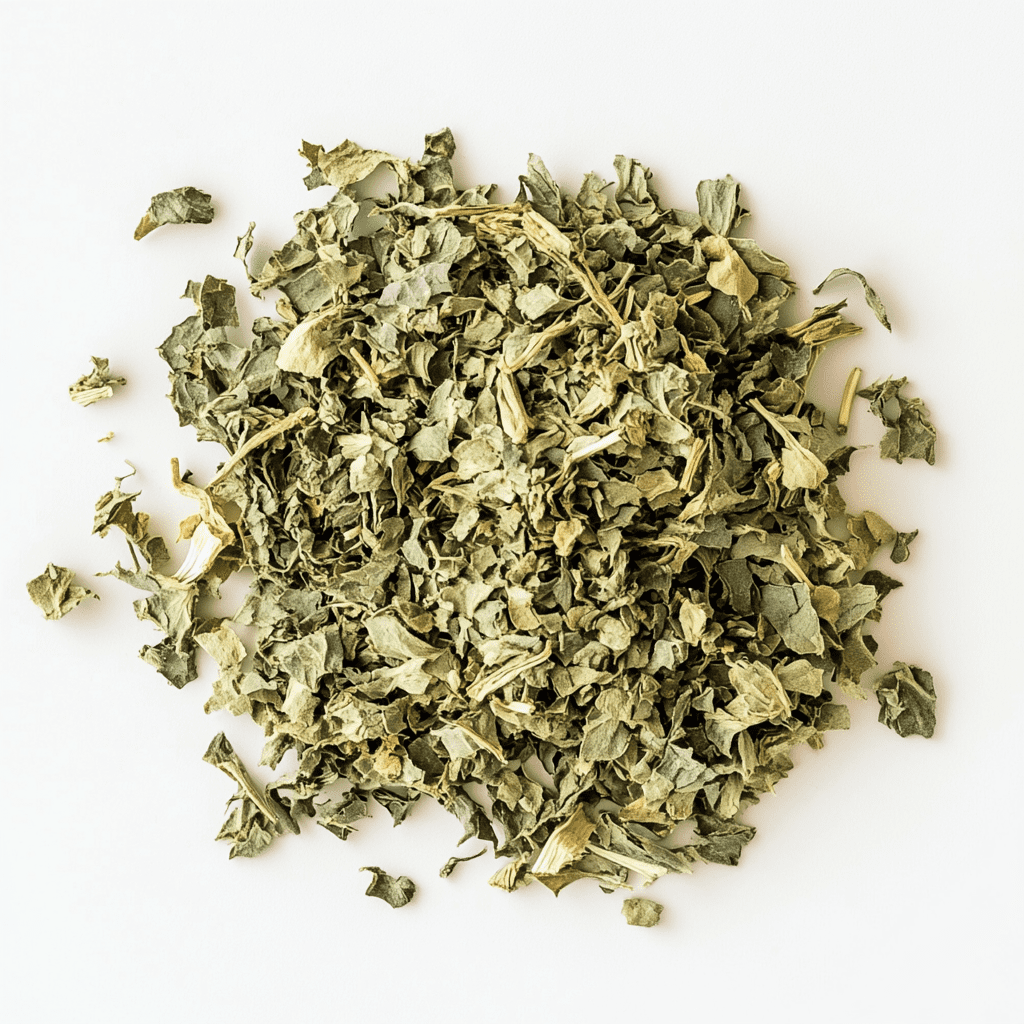
Use before going to sleep. When using raw herb, pour boiling water over 2 full spoons of dried herb and let simmer for at least 10 minutes. Adjust the dose based on your experience. The taste of Dream herb is very bitter and you can sweeten it with honey or sugar.

Powdered herbal extract, whether in capsules or in powder form, should be taken twice a day. The dose depends on the potency—please follow the instructions on the label or consult your health practitioner for guidance.

Composition

Calea zacatechichi contains a variety of bioactive compounds that likely contribute to its unique effects:

  • Alkaloids: It is rich in phytochemicals such as harmantryptamine, and indole derivatives. These compounds are structurally similar to serotonin and influence brain activity related to consciousness and sleep.
  • Flavonoids: Present in smaller quantities, flavonoids like quercetin may support antioxidant activity.
  • Essential oils: Some aromatic compounds are believed to contribute to its psychoactive effects and its traditional use in rituals.
  • Other phytochemicals: The plant also contains various phenolic compounds and terpenoids, which may contribute to its anti-inflammatory and neuroprotective properties.

The combination of these compounds supports the plant’s role as a psychoactive agent influencing brain function and cellular health.


Traditional Use

Historically, Calea zacatechichi has been used by indigenous tribes–notably the Aztecs and Chontal people of Oaxaca–for its spiritual and healing effects. Its primary usage includes:

  • Enhancing Dreams and Divination: Shamans and villagers used smoking or brewing the leaves to induce vivid, lucid dreams, which they believed were messages from spirits, ancestors, or future events.
  • Spiritual Cleansing: The plant was employed in ceremonies to purify the spirit, foster insight, and guide leadership decisions within the tribe.
  • Healing and Guidance: Shamans would interpret the visions experienced during these sleep states to diagnose illnesses, foresee dangers, or obtain divine guidance.
  • Support in Mental Clarity: While known for its mystical properties, it was also used to increase mental alertness and insightfulness during important rituals.

Though its traditional role was spiritual, its effects on mental clarity and psychological healing suggest it may have untapped potential in supporting mental health and self-awareness.


Precautions and Possible Interactions

Despite its long history of traditional use, Calea zacatechichi should be approached with caution:

  • Psychoactive effects: It induces vivid dreams and altered states of consciousness, which can be disorienting or anxiety-provoking in some individuals.
  • Potential interactions with medications: As it influences brain chemistry, it may interact with medications affecting serotonin levels, such as antidepressants, or drugs that alter mental states.
  • Safety during pregnancy and lactation: There is limited data on the safety of use during pregnancy or breastfeeding; consulting a healthcare provider is recommended.
  • Mental health considerations: Individuals with pre-existing psychiatric conditions should exercise caution, as the herb may exacerbate underlying issues due to its psychoactive properties.

Given these factors, it is advisable to use Calea zacatechichi responsibly and under professional guidance, especially when combining with other medications or health conditions.


Available Scientific Studies

While much of the herb’s use remains rooted in tradition, recent scientific research provides insights into its effects:

  • **”Psychopharmacologic analysis of an alleged oneirogenic plant: Calea zacatechichi”**
    Authors: L. Mayagoitia, J. L. Díaz, C. M. Contreras
    Overview: Double-blind, placebo-controlled study in humans and animal models demonstrating increased dream recall, superficial sleep stages, reaction time changes, and mild somnolence with C. zacatechichi extracts.
    Link: https://pubmed.ncbi.nlm.nih.gov/3821139/ Wiley Online Library+15PubMed+15Healthline+15

  • **”Neuropharmacological characterization of the oneirogenic Mexican plant Calea zacatechichi aqueous extract in mice”**
    Authors: Maciej Sałaga, Jakub Fichna, Katarzyna Socała, Dorota Nieoczym, Mateusz Pieróg, Marta Zielińska, Anna Kowalczuk, Piotr Wlaź
    Overview: Evaluated neuropharmacological effects of the aqueous extract in mice; observed antinociceptive (pain-reducing) effects in abdominal pain models, with negligible impacts on seizures, anxiety, locomotion, or muscle strength. Identified compounds include chlorogenic acid, acacetin, and germacranolides.
    Link: (SpringerLink open access) https://link.springer.com/content/pdf/10.1007/s11011-016-9794-1.pdfWikipedia+5ResearchGate+5Wikipedia+5

  • **”Calea zacatechichi dichloromethane extract exhibits antidiarrheal and analgesic activity”**
    Authors: M. Sałaga and colleagues (same team as above)
    Overview: Demonstrated that a dichloromethane (DCM) extract of C. zacatechichi significantly inhibited gastrointestinal motility, delayed diarrhea onset (more effective than loperamide), and reduced abdominal pain in mouse models—without affecting locomotor activity. Identified germacranolides, coumarin derivatives, and acacetin as active constituents.
    Link: https://link.springer.com/article/10.1007/s00210-015-1142-1 Canadian Science Publishing+15SpringerLink+15ResearchGate+15

  • **”Evaluation of ‘Dream Herb,’ Calea zacatechichi, for Nephrotoxicity Using Human Kidney Proximal Tubule Cells”**
    Authors: M. E. Mossoba, T. J. Flynn, S. Vohra, P. Wiesenfeld, R. L. Sprando
    Overview: In vitro toxicology study showing that C. zacatechichi may exert nephrotoxic effects on human kidney tubular cells, indicating potential renal cell injury.
    Link: https://pmc.ncbi.nlm.nih.gov/articles/PMC5040790/ PubMed+15PMC+15Wikipedia+15Wikipedia

  • **”Mexican calea (Calea zacatechichi Schltdl.) interferes with …”** (In press – 2025)
    Authors: M. R. Garcia et al.
    Overview: Recent study (2025) indicating that C. zacatechichi induces neurotoxicity, disrupting membrane integrity and interfering with cholinergic and dopaminergic neurotransmission.
    Link: https://www.sciencedirect.com/science/article/pii/S0378874124012145 Canadian Science Publishing+15ScienceDirect+15ResearchGate+15

  • **”Calea ternifolia Kunth, the Mexican “dream herb”, a concise review”**
    Authors: R. Mata (2022)
    Overview: Review summarizing properties associated with traditional uses—including spasmolytic, antidiabetic, antidepressant, and anti-inflammatory activities—that have been supported by scientific research.
    Link: https://cdnsciencepub.com/doi/10.1139/cjb-2021-0063 PMC+12Canadian Science Publishing+12Wikipedia+12