Contact Info

CHUCHUHUASI

Botanical name:

Monteverdia laevis (formerly Maytenus laevis)

Alternative names:

Chuchuguaza, Chuchuguazo, Chuchuhuasha

Main indications:

  • arthritis
  • back pain
  • broken bones
  • diarrhea
  • joint disorders
  • complications after childbirth
  • Parkinson’s disease
  • multiple sclerosis
  • cancer

THIS PLANT IS PART OF THE SUSURRO DEL INIA AND ESENCIA DE MARIPOSA AZUL HERBAL FORMULAS.

Short characteristics:

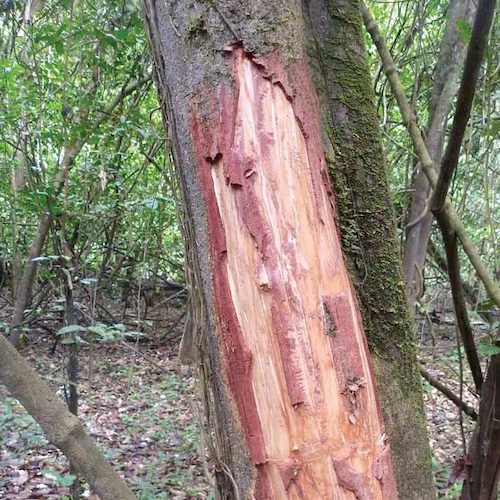
Chuchuhuasi is a highly valued plant in traditional medicine across the Amazon rainforest. Its bark, prepared as an infusion or extract, is renowned for its tonic, anti-inflammatory, and antitumor properties. Scientific and ethnobotanical sources highlight that it contains bioactive compounds that help in pain relief and bolster the immune system, supporting nerve function and overall vitality. Locally, it is used not only for its analgesic effects but also to treat a wide array of conditions, including skin tumors (used externally to help reduce skin cancer), kidney inflammation, and musculoskeletal disorders such as rheumatism, arthritis, back pain, and joint inflammations. It is also employed to support respiratory health, aiding in bronchitis, influenza, asthma, and intestinal parasites. Additionally, Chuchuhuasi is believed to strengthen brain activity, and it has been traditionally used in cases of Parkinson’s disease, multiple sclerosis, and recovery from strokes. In Peru, it is even considered an aphrodisiac, further emphasizing its importance in traditional holistic healing practices. Through its broad-spectrum effects, Chuchuhuasi exemplifies the indigenous wisdom of using local plants to maintain and restore health on multiple levels.

The usual way of use:

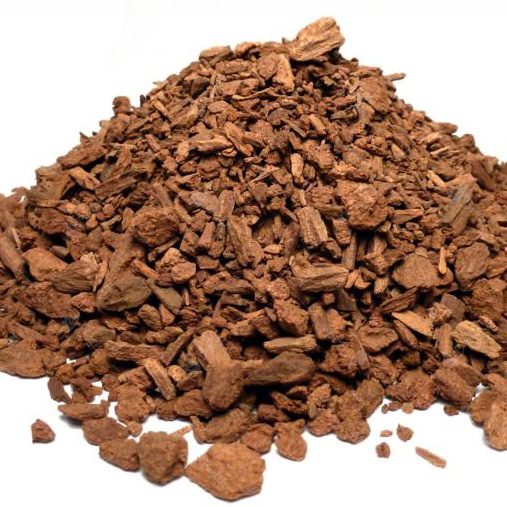
3 to 5 grams of dried herb (one to two large spoons) should be gently cooked in about 0.7 liters of water for 7 minutes. Drink throughout the day.

Powdered herbal extract, whether in capsules or in powder form, should be taken twice a day. The dose depends on the potency—please follow the instructions on the label or consult your health practitioner for guidance.

WARNING: This herb might increase heart rate in some individuals. In such case, lower the daily dose.

Composition

Chuchuhuasi’s medicinal efficacy comes from its rich phytochemical profile:

  • Alkaloids: The plant contains various alkaloids, primarily maytansinoids and tomentosin, which are responsible for anti-inflammatory and analgesic effects. These alkaloids are known to modulate cellular activity, supporting tissue repair.
  • Terpenoids: It has bioactive terpenoids that exhibit anti-inflammatory and antimicrobial activities.
  • Polyphenols and flavonoids: Compounds such as quercetin and other flavonoids provide antioxidant effects that help neutralize free radicals, reducing oxidative stress and slowing cellular aging.
  • Steroids: Present in small quantities, contributing to anti-inflammatory and immunomodulatory effects.

The combination of these compounds grants Chuchuhuasi its potent anti-inflammatory, analgesic, and tissue-healing properties.


Traditional Use

For generations, Amazonian tribes and Peruvian communities have relied on Chuchuhuasi to treat various ailments holistically:

  • Anti-inflammatory and Pain Relief: Decoctions of bark or roots are used to relieve arthritis, rheumatism, muscle pains, backaches, and joint inflammation.
  • Skin Disorders: External application of infusions helps reduce skin tumors, wounds, and infections, supporting skin regeneration and healing.
  • Kidney and Urinary Issues: Traditionally, it is used to treat kidney inflammation, infections, and urinary stones, thanks to its anti-inflammatory and diuretic effects.
  • Respiratory Ailments: The plant is employed as a remedy against bronchitis, influenza, asthma, and coughs, helping clear mucus and soothe inflamed airways.
  • Chronic Conditions and Recovery: Its adaptogenic qualities are valued for supporting recovery from illnesses, strengthening the nervous system, and regulating immune responses.
  • Aphrodisiacal uses: In Peruvian tradition, Chuchuhuasi is also considered an aphrodisiac, supporting vitality and endurance.

Preparation methods include decoctions, infusions, and topical applications, often supplemented by rituals and ceremonies emphasizing spiritual harmony and holistic healing.


Precautions and Possible Interactions

Despite its deep traditional use, scientific knowledge about modern safety and interactions remains limited:

  • Potential toxicity: While generally considered safe in traditional dosages, high or prolonged use might cause gastrointestinal discomfort or fatigue.
  • Drug interactions: The plant’s immunomodulatory and anti-inflammatory effects could potentially interfere with immunosuppressive medications, anticoagulants, or drugs affecting blood pressure.
  • Pregnancy and lactation: There is insufficient evidence regarding safety during pregnancy and breastfeeding; caution is advised.
  • Allergies: As with all plants, hypersensitivity reactions are possible, especially in individuals allergic to other plants in the Mallow or Celastraceae families.

Consultation with healthcare professionals is recommended before use, especially in cases of serious illness, pregnancy, or ongoing medication.


Scientific Studies

Although still emerging, scientific investigations support several of Chuchuhuasi’s traditional claims: