

CHANCA PIEDRA
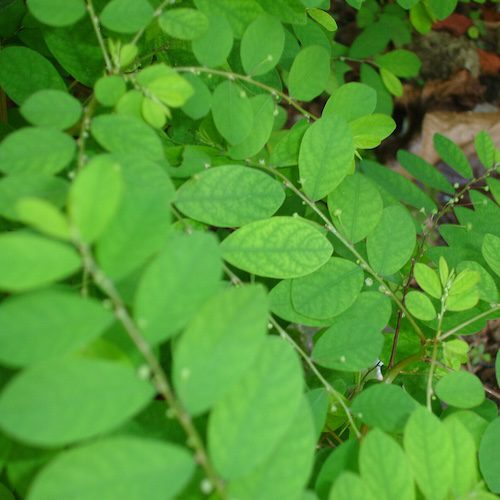
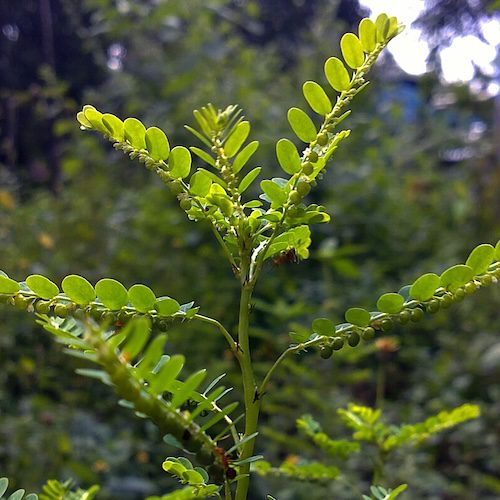
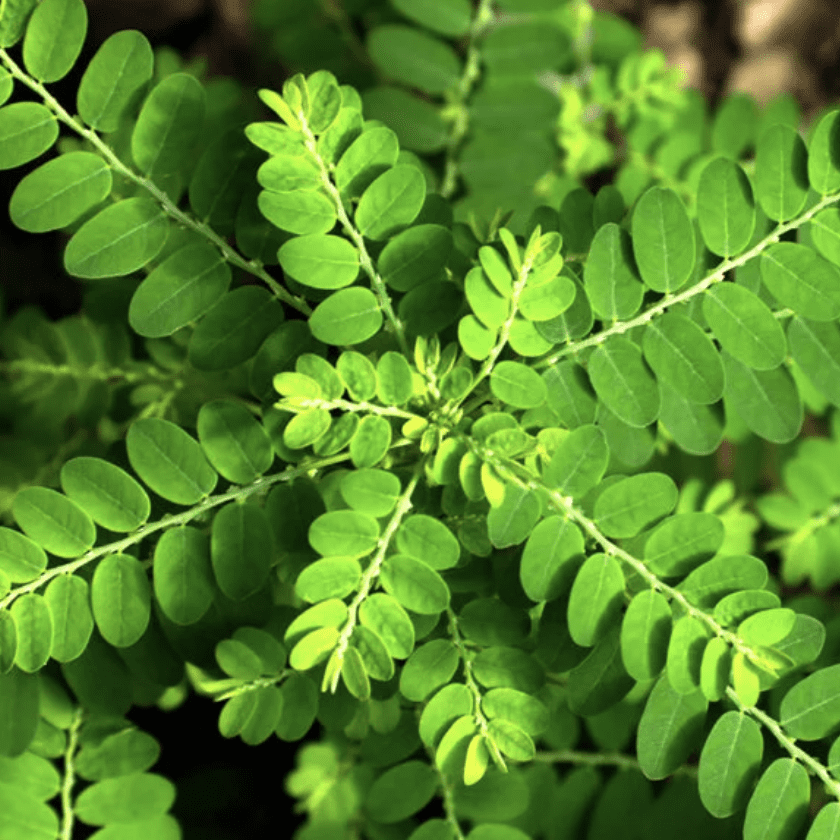
Botanical name:
Phyllanthus niruri (and closely related Phyllanthus sold as chanca piedra). Names in the trade wander.
Alternative names:
Stonebreaker, chancapiedra, quiebra piedra, quebra pedra, rompepiedra, viernes santo
Main indications:
traditional tea for kidney and bladder gravel
folk liver and gut comfort
human stone trials exist and are mixed — not “confirmed stone-breaking”
Used in Espíritu del Lago.
THIS PLANT IS PART OF THE ESPÍRITU DEL LAGO HERBAL FORMULA.
Short characteristics:
Chanca piedra is Phyllanthus niruri, a small herb whose Spanish name means “stone breaker.” Amazonian and much wider tropical folk use is a tea for kidney and bladder gravel, and for a heavy liver or gut. That traditional name is the reason the plant is famous. It is also the claim that needs the most care.
Human trials exist. They do not all say the same thing. Nishiura 2004 did not show stone clearance. Micali 2006 (PMID 16890682) used it as an adjunct after shock-wave lithotripsy. Pucci 2018 looked at lower-stone passage. Boim 2010 reviewed the file. “Clinical studies confirm it breaks stones” is the sentence this page is retiring.
A folk urinary tea with a mixed trial record is the honest story. This site sells nothing.
The usual way of use:
Pour 1–2 tablespoons of dried herb with about 700 ml of cold water; boil gently 7 minutes after the boil. Strain. Drink through the day.
Powdered extracts follow the label. Length of a course is individual. This site sells nothing.
WARNING: Not a substitute for urologic care. If you have an obstructing stone, fever, or one kidney, you need a clinician, not a tea. Pregnancy: do not self-dose.
Composition
Lignans (phyllanthin, hypophyllanthin), tannins, and a long list of phenolics. The “spasmolytic alkaloid” brochure sentence is marketing. I am not inventing a receptor story.
Traditional use
Tropical folk tea for gravel, dysuria, and liver-gut comfort. The name is the claim. House formula: Espíritu del Lago. Traditional stone talk may be named. It is not a guarantee.
Precautions
Do not delay lithotripsy or a stent for a tea. Diuretic effect can matter if you take lithium or have low blood pressure. Pregnancy out. Do not cite PMID 16890685 (nocturia) or PMC6093301 (anal HSIL) as if they were Micali or Pucci.
Opened studies
Nishiura et al. (2004). Phyllanthus niruri normalizes elevated urinary calcium levels in calcium stone forming patients. Did not demonstrate stone-breaking. Opened. PMID 15221244.
Micali / Sighinolfi et al. (2006). Phyllanthus niruri as an adjunct after shock-wave lithotripsy. Journal of Urology. PMID 16890682 (not 16890685). Opened abstract plus Boim review. PMID 16890682 · doi:10.1016/j.juro.2006.04.010.
Pucci et al. (2018). Phyllanthus niruri in patients with lower-pole stones. International Braz J Urol. Opened. Not a universal stone-clearance trial. doi:10.1590/s1677-5538.ibju.2017.0521.
Boim et al. (2010). Phyllanthus niruri as a promising alternative treatment for nephrolithiasis. Review; full text opened via SciELO. Mixed file, not a confirmation slogan.