CANELILLA


Botanical name:
Aniba canelilla
Alternative names:
Rosewood, Rosaeodora, Preciosa, Canelu de andaquíes, Canelu de quijos, Canelu, Tuabe, Canela muena casca preciosa, Falsa canela, Casca-do-maranhão, Folha-preciosa
Main indications:
Muscle aches
Pain
Spasms
Nervous tension
Bronchitis
Malaria
Alzheimer’s disease
THIS PLANT IS PART OF THE SUSURRO DEL INIA HERBAL FORMULA.
Short characteristics:
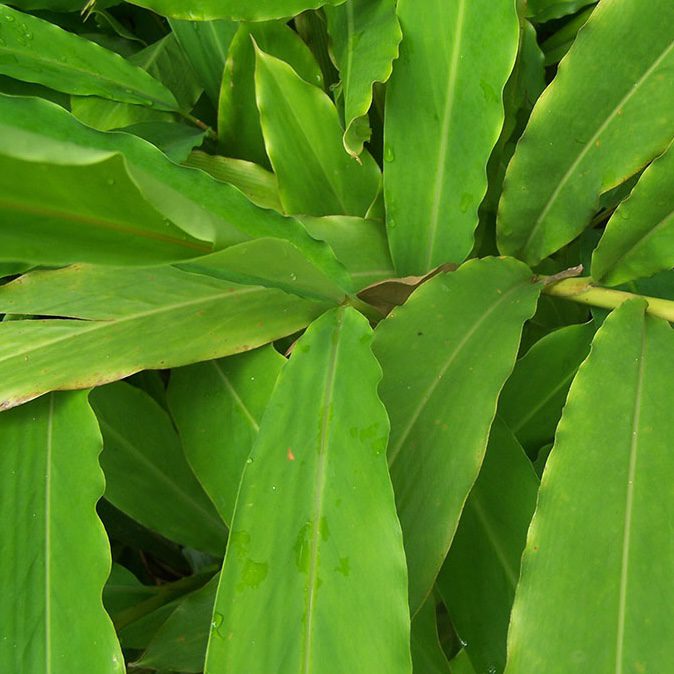
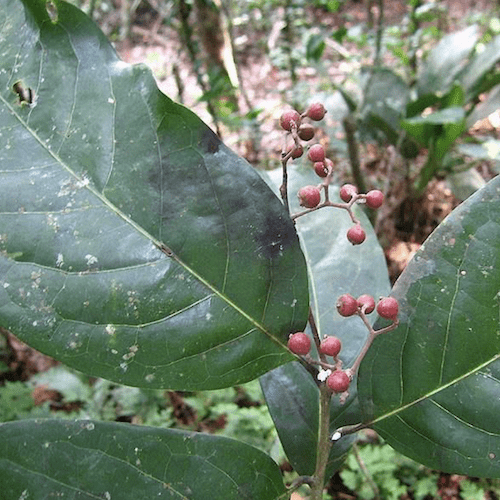
Aniba canelilla, commonly known as “casca preciosa” or “precious bark,” is an aromatic tree of the Lauraceae family widely found throughout the Amazon region. In traditional medicine, this species is highly valued for its versatile medicinal properties. Indigenous and local communities utilize it primarily in the form of teas or decoctions to treat a broad spectrum of health conditions. Its medicinal properties include anti-inflammatory, analgesic, and antispasmodic effects, making it effective against pain, inflammation, and muscle aches. Additionally, Aniba canelilla is used to support respiratory health, soothe coughs, and relieve bronchitis, thanks to its expectorant or mucolytic compounds. Its calming effects on the central nervous system are also well recognized, making it useful in treating nervous tension, headaches, and mental fatigue. The bark and leaves contain bioactive compounds with antimicrobial and antioxidant activities, contributing to its traditional role in promoting overall health and healing across the Amazon.
The usual way of use:
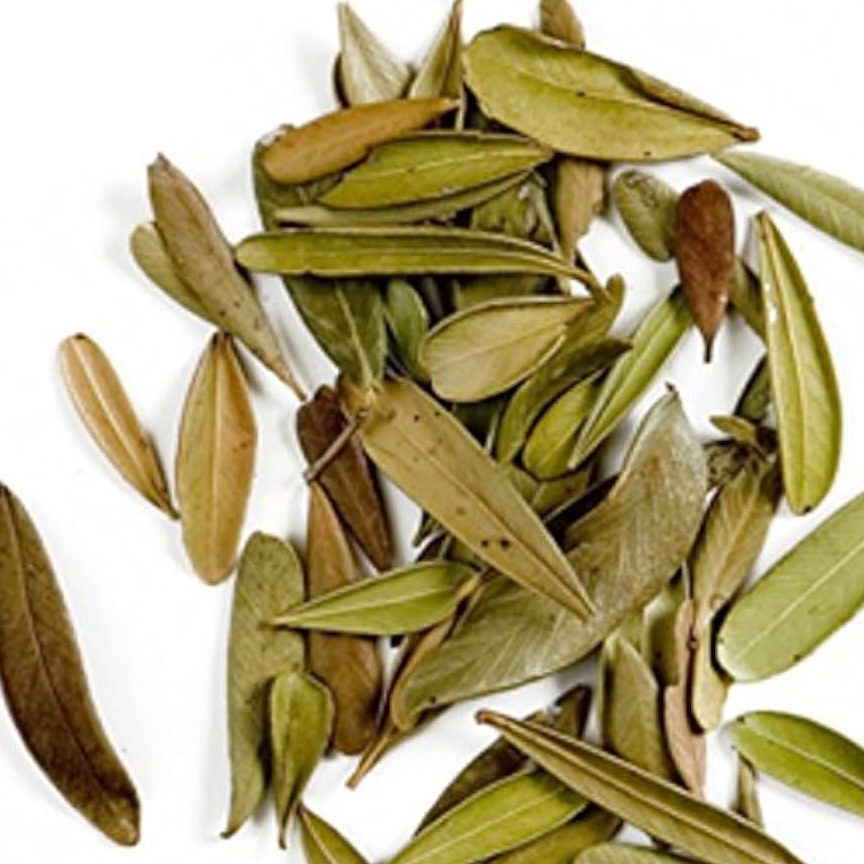
The most common method of using this plant is through the essential oils extracted from its bark, stem, and leaves. Alternatively, dried parts of the plant can be soaked in water and boiled for approximately 7 minutes. The appropriate dosage of the essential oil depends on its concentration—please follow the manufacturer’s instructions for safe and effective use.
Composition
The pharmacological benefits of Aniba canelilla arise from its rich, complex chemical makeup:
Essential oils: The bark and leaves contain volatile aromatic compounds such as cinnamaldehyde, eugenol, geraniol, and limonene. These compounds are known for their anti-inflammatory, antimicrobial, and soothing properties.
Alkaloids: Some studies have identified alkaloids like liriodenine and isocorydine, which possess potential sedative and analgesic effects.
Phenolic compounds and flavonoids: These bioactives provide antioxidant protection, reducing oxidative stress and inflammation.
Tannins: Contribute to its anti-inflammatory and antimicrobial effects, especially in wound healing and infections.
The mixture of these compounds makes Aniba canelilla a versatile herb with multiple health-promoting attributes.
Traditional Use
In Amazonian medicine, Aniba canelilla is famed for its broad spectrum of therapeutic applications, especially for:
Treatment of digestive disorders: Decoctions of bark or leaves are used for indigestion, stomach pains, and gastrointestinal inflammations.
Respiratory ailments: The plant’s expectorant and mucolytic properties help soothe coughs, bronchitis, and other respiratory issues.
Inflammation and pain relief: Its anti-inflammatory and analgesic effects are harnessed to reduce muscle pains, joint aches, and inflammatory processes.
Nervous system support: It’s used to calm nervous tension, headaches, and mental fatigue, thanks to its sedative-like properties.
Antimicrobial effects: Its bark and leaves are applied topically or orally for skin infections, ulcers, and other bacterial or fungal ailments.
General tonic: Due to its adaptogenic and restorative properties, it’s believed to boost overall vitality and resistance.
The infusion or decoction of the bark and leaves are the main preparations, administered orally or topically, often combined with other native herbs.
Precautions and Possible Interactions
Despite its long-standing traditional use, scientific data concerning safety and interactions is limited. As with many herbal medicines, caution is advised:
Potential toxicity: The chemical constituents, such as alkaloids and essential oils, could be harmful in high doses or prolonged use. Excessive use may cause gastrointestinal irritation or neurological symptoms.
Drug interactions: The sedative and anti-inflammatory properties suggest possible interactions with medications such as sedatives, anti-inflammatory drugs, or blood thinners. Caution is warranted, especially for patients on ongoing pharmaceutical treatments.
Pregnancy and breastfeeding: There is insufficient research on safety during pregnancy and lactation. Women should consult healthcare professionals before use.
Allergic reactions: Hypersensitivity to plant resins, essential oils, or alkaloids may occur, resulting in skin or respiratory reactions.
In summary, always seek guidance from trained practitioners knowledgeable in Amazonian herbal medicine, and inform your healthcare provider about any herbal supplements you plan to use.
Available Scientific Studies
Although traditional use is well-established, scientific validation is advancing. Here are some key studies:
Ethnopharmacological review
Souza‑Junior, F. J. C., et al. (2020). Aniba canelilla (Kunth) mez (Lauraceae): A Review of Ethnobotany, Phytochemical, Antioxidant, Anti‑Inflammatory, Cardiovascular, and Neurological Properties.
Frontiers in Pharmacology, 11, 699.
Link: https://www.frontiersin.org/articles/10.3389/fphar.2020.00699/full
MDPI+11MDPI+11PubMed+11PubMed**Antioxidant & anti-inflammatory effects in vivo**
Cardoso, E. K. S., et al. (2022). Aniba canelilla (Kunth) Mez (Lauraceae) Essential Oil: Effects on Oxidative Stress and Vascular Permeability.
Antioxidants, 11(10), 1903.
Link: https://www.mdpi.com/2076-3921/11/10/1903
ResearchGate+5MDPI+5PubMed+5**Antifungal activity against dermatophytes**
Kreutz, T., et al. (2024). Antifungal Activity of Aniba canelilla (Kunth) Mez Essential Oil and Its Main Compound 1‑Nitro‑2‑Phenylethane against Dermatophytes.
Antibiotics, 13(6), 488.
Link: https://www.mdpi.com/2079-6382/13/6/488
ScienceDirect+11MDPI+11PubMed+11**Analgesic/anti‑inflammatory (chloroform extract)**
Jaimes, J. R., et al. (2025). Analgesic Effect of the Chloroformic Extract of Aniba canelilla.
Phcog Journal. (PDF file)
Link: https://www.phcogj.com/sites/default/files/PJ‑17‑2‑2132.pdf
phcogj.com+2MDPI+2**Cognitive effects: acetylcholinesterase inhibition & memory improvement**
de Campos, D. L., et al. (2023). Aniba canelilla (Kunth) Mez essential oil and its primary constituent, 1‑nitro‑2‑phenylethane, inhibits acetylcholinesterase and reverse memory impairment in rodents.
Journal of Ethnopharmacology.
Link: https://pubmed.ncbi.nlm.nih.gov/36493997/
ScienceDirect+11PubMed+11MDPI+11**Cardiovascular effects via essential oil components**
Interaminense, L. F. L., et al. (2011). Cardiovascular effects of 1‑nitro‑2‑phenylethane, the main constituent of the essential oil of Aniba canelilla, in spontaneously hypertensive rats.
Fundamental & Clinical Pharmacology.
Link (via Wiley site): https://onlinelibrary.wiley.com/doi/10.1111/j.1472-8206.2010.00891.x
Wiley Online LibraryMDPI+1