Contact Info

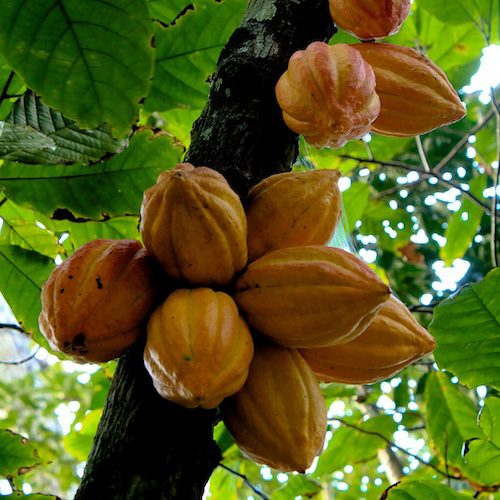
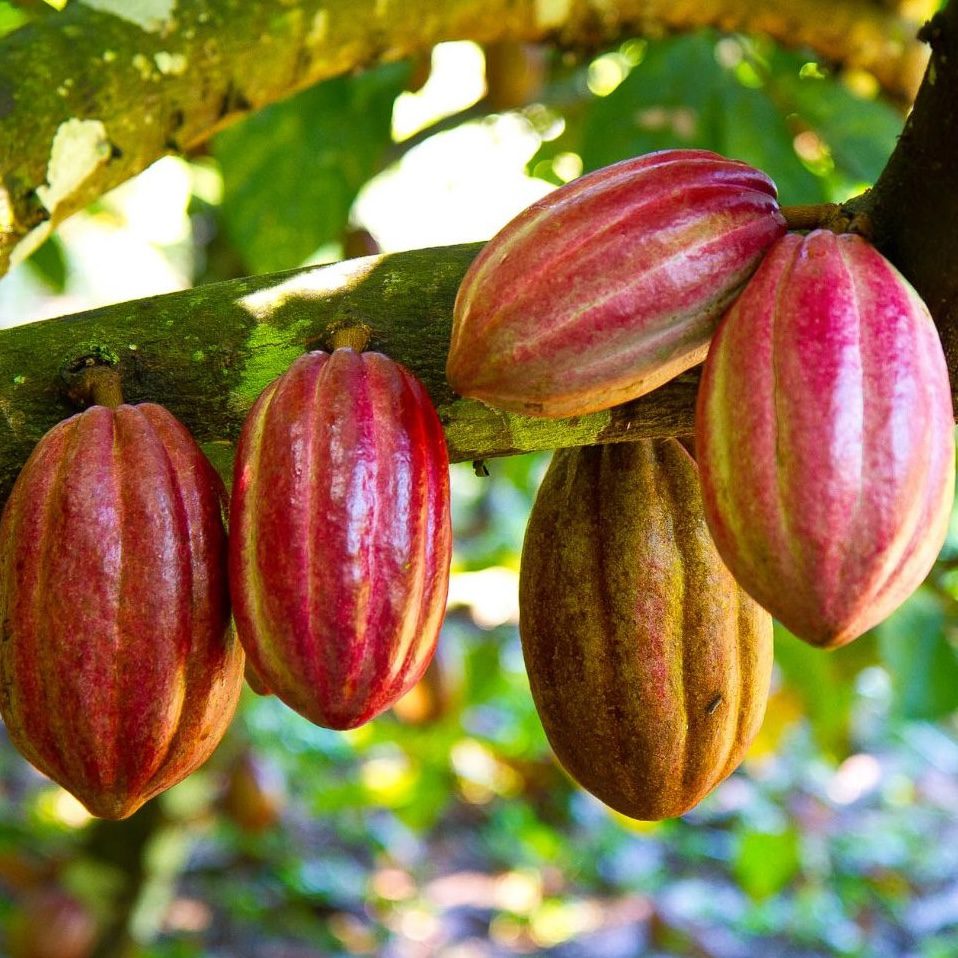
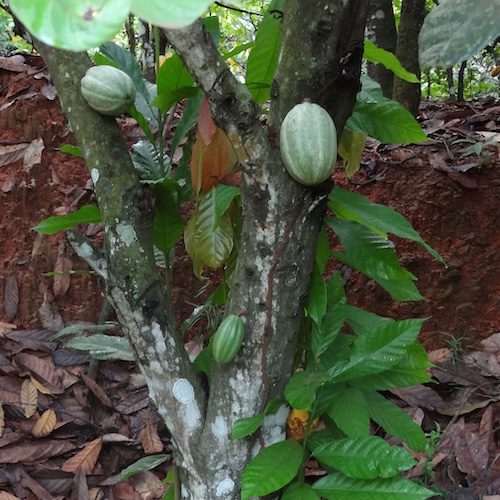
CACAO

Botanical name:

Theobroma cacao

Alternative names:

Wild cocoa

Main indications:

  • bad mood
  • high cholesterol
  • high blood pressure

Short characteristics:

In traditional South American medicine, cacao has long been valued not only as a cherished food but also for its numerous health-promoting effects. Native cultures used cacao to help balance mineral deficiencies, particularly magnesium and iron, and to alleviate sleep disturbances and premenstrual tension. Its energizing properties supported both physical and mental stamina, making it a vital part of daily life. Additionally, cacao was believed to protect the cardiovascular system by improving blood circulation, supporting heart health, lowering blood pressure, and enhancing oxygen delivery to tissues. Rich in antioxidants, flavonoids, and polyphenols, cacao helps prevent cellular damage, DNA degradation, and aging-related diseases such as cancer and arteriosclerosis. Its calming, mood-enhancing effects also contributed to better concentration, mental clarity, creativity, and overall well-being, often used as an natural remedy to boost mood or reduce stress. These traditional uses are increasingly supported by modern science, which recognizes cacao’s vital role in promoting cardiovascular health, brain function, and longevity. However, much of its potent beneficial compounds are only available in pure, unprocessed cacao, as the bitter flavonoids are usually removed from commercial chocolate products.

The usual way of use:

Cacao can be consumed in the form of beans, which are chewed, or as powder.

Keep in mind that commercially sold cocoa powders and chocolates, including the most luxurious and expensive varieties, contain highly processed cocoa powder that lacks the medicinal properties of natural cacao. Besides other processing methods, most commercially available cocoa is subjected to an alkalization process (also known as Dutching), which removes a large portion of its active compounds. When purchasing cocoa or chocolate products, be sure to verify that the raw material has not undergone this process.

Composition

Cacao beans contain a complex mixture of bioactive compounds responsible for their health benefits:

  • Flavonoids: including catechins, epicatechins, quercetin, and procyanidins, which are powerful antioxidants known to protect cells from oxidative stress, reduce inflammation, and improve vascular function.
  • Theobromine: a methylxanthine structurally similar to caffeine,but milder, it acts as a stimulant, diuretic, and mood enhancer.
  • Phenolic acids: such as chlorogenic acid, which supports blood sugar regulation and anti-inflammatory responses.
  • Minerals: including magnesium, potassium, iron, zinc, and manganese, essential for heart health, muscle function, and enzyme activity.
  • Lipids: healthy fats like oleic acid, supporting cell health and brain function.

The concentration and bioavailability of these compounds are highest in raw or minimally processed cacao and are significantly reduced in highly refined chocolate products.


Traditional Use

In South American cultures, cacao has been employed for various health and spiritual purposes:

  • Heart and Circulatory Health: It was used to support the cardiovascular system—improving blood flow, lowering blood pressure, and strengthening the heart.
  • Mood and Mental Clarity: Consumed during rituals and daily life to enhance mood, promote relaxation, and foster social cohesion.
  • Energy and Vitality: Its stimulating alkaloids and antioxidants helped sustain effort and combat fatigue, especially in physically demanding activities.
  • Anti-inflammatory and Antispasmodic: Decoctions of cacao or its leaves have been used to treat inflammation, muscle pains, and cramps.
  • Longevity and Anti-aging: Its high antioxidant content was believed to slow aging and boost longevity, protecting the body from cellular damage caused by free radicals.

In some indigenous practices, cacao was also regarded as a “gift from the gods,” symbolizing fertility, abundance, and divine connection.


Precautions and Possible Interactions

While cacao has many health benefits, caution is necessary:

  • Caffeine sensitivity: Though milder than coffee, cacao contains methylxanthines (theobromine and small amounts of caffeine). High intake can cause sleep disturbances, jitters, or increased heart rate in sensitive individuals.
  • Potential allergic reactions: Some people may experience allergic responses, especially when consuming large amounts or highly concentrated extracts.
  • Drug interactions: The antioxidants and vasodilatory effects could theoretically interfere with blood pressure medications or blood thinners, potentially affecting efficacy.
  • Pregnancy and lactation: While moderate consumption is generally considered safe, high doses or supplements should be avoided unless approved by a healthcare provider.

Always consult a healthcare professional before beginning any herbal supplement regimen, especially if you have cardiovascular issues or are on medication.


Available Scientific Studies

Research continues to uncover the health-promoting properties of cacao, much of which aligns with its traditional uses:

1. Antioxidant, Antidiabetic & Antihypertensive Effects In Vitro

Title: In Vitro Studies on the Antioxidant Property and Inhibition of α‑Amylase, α‑Glucosidase, and Angiotensin I‑Converting Enzyme by Polyphenol‑Rich Extracts from Cocoa Bean
Link: https://www.ncbi.nlm.nih.gov/pmc/articles/PMC4175390/
Summary: Demonstrates cocoa bean’s rich phenolic content and its antioxidant capacity; suggests potential for blood sugar and blood pressure regulation through enzyme inhibition.


2. Antiproliferative & Antioxidant Properties of Seed Extracts

Title: Hydro‑ethanol seed extract of Theobroma cacao exhibits antioxidant activities and potential anticancer property
Link: https://onlinelibrary.wiley.com/doi/full/10.1111/jfbc.12767
Summary: Shows cocoa seed extract’s strong free-radical scavenging activity and antiproliferative effects, suggesting therapeutic potential.


3. Anti-Inflammatory Effects from Stem Bark

Title: Anti‑inflammatory activity of Theobroma cacao L. stem bark ethanol extract and its fractions in experimental models
Link: https://pubmed.ncbi.nlm.nih.gov/29733944/
Summary: Highlights significant anti-inflammatory actions (e.g., reduced edema, lowered inflammatory markers) by stem bark extracts in animal models.


4. Comprehensive Review: Anti-Cancer and Anti-Inflammatory Insights

Title: Exploring the Therapeutic Potential of Theobroma cacao L.: Insights from In Vitro, In Vivo, and Nanoparticle Studies on Anti‑Inflammatory and Anticancer Effects
Link: https://pubmed.ncbi.nlm.nih.gov/39594518/
Summary: A detailed review showing cocoa’s ability to inhibit cancer cell growth and reduce inflammation, including applications with nanoparticle delivery.


5. Clinical & Epidemiological Insights on Cardiometabolic Health

Title: Cardioprotection by Cocoa Polyphenols and ω‑3 Fatty Acids: A Disease‑Prevention Perspective on Aging‑Associated Cardiovascular Risk
Link: https://www.liebertpub.com/doi/10.1089/jmf.2018.0002
Summary: Reflects human and epidemiological evidence linking cocoa flavonoids to improved lipid profiles, reduced LDL oxidation, and promotion of cardiovascular health.


6. Updated Health Review on Cocoa and Cocoa Bean Shells

Title: Cocoa and cocoa bean shells role in human health: An updated review
Link: https://doi.org/10.1016/j.jfca.2021.104115
Summary: Reviews the antioxidant, antiproliferative, anti-inflammatory, and metabolic benefits of cocoa and frequently discarded cocoa bean shells.


7. Gene Expression and Inflammation Modulation in Humans

Title: Gene expression changes by high‑polyphenols cocoa powder intake: a randomized crossover clinical study
Link: https://link.springer.com/article/10.1007/s00394-018-1736-8
Summary: Demonstrates high-polyphenol cocoa modifies inflammatory and oxidative stress–related gene expression in humans, hinting at molecular cardiometabolic benefits.