
Contact Info

ALGARROBO

Botanical name:

Prosopis denudans

Alternative names:

American Carob, Huarango, Algarrobo pálido, Kiawe, Bayahonda, Algarroba, Tacco

Main indications:

  • metabolic regulation
  • digestion, stomach and intestinal disorders
  • osteoporosis
  • asthma, allergies, cough
  • mucus expectoration
  • anemia, vitamin and mineral replenishment

Short characteristics:

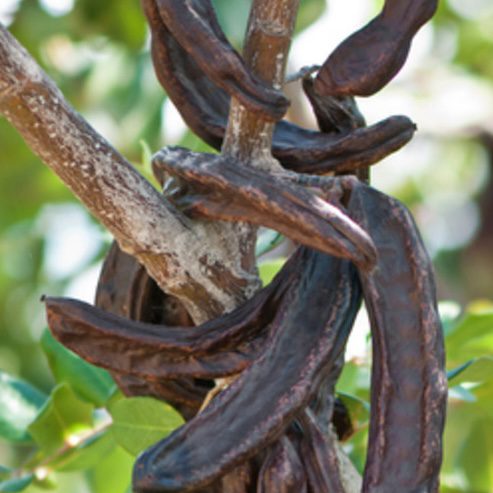
Algarrobo, known as carob, is a highly nutritious seed pod with numerous medicinal benefits. It contains very low amounts of fat and is rich in sugars like glucose, fructose, and sucrose, as well as proteins, pectins, and dietary fiber, which support healthy digestion and gastrointestinal function. Moreover, carob is a valuable source of vitamins E—often called the “vitamin of youth”—and gallic acid, a potent antioxidant that protects against oxidative stress. The tannins present in algarrobo not only boost antioxidant defenses but also inhibit bacterial growth, supporting immune health. Scientific research, including studies at the German Institute for Food Nutrition Research, has shown that regular consumption of carob can lower blood lipid levels and accelerate fat burning. It benefits cardiovascular health by reducing cholesterol, improving metabolism, and aiding digestion—helping with gastrointestinal issues, reflux, and constipation. Its tannins do not bind proteins in water, meaning it can be used to treat diarrhea in both children and adults, while also suppressing bacterial growth and limiting pathogen proliferation. Additionally, due to its anti-allergic properties, carob is employed in managing asthma and allergy-related issues. Its expectorant effects help loosen lung secretions, supporting respiratory health and aiding in the prevention of lung cancer. It also facilitates cough relief, eases mucus expulsion, and is used to treat colds and flu. Thanks to its high calcium and phosphorus content, algarrobo is used in managing osteoporosis, while its iron content helps combat anemia. Gallic acid further supports the treatment of childhood paralysis, making algarrobo a versatile natural remedy for maintaining overall health and respiratory wellness.

The usual way of use:

Up to 30 grams of powder a day for adults, up to 15 grams for children. 

Algarrobo sap is used topically in treatment of oral ulcers. Leaves are applied in the form of poultices (soft mass) to treat bruises.

WARNING: While algarrobo is a nutritious and highly recommended pod, it should be consumed in moderation, as excessive intake over an extended period may interfere with the absorption of nutrients like iron and proteins.

Composition

Algarrobo’s medicinal benefits stem from its rich phytochemical profile:

  • Bark: Contains high levels of tannins and astringent compounds, which have antioxidant and protective effects. Tannins are polyphenols known for their ability to neutralize free radicals and reduce tissue damage.
  • Resin: Composed of phenolic compounds and volatile oils that serve as expectorants and anti-inflammatory agents.
  • Sap: Rich in bioactive compounds such as tannins and other phenolics used for healing oral ulcers and reducing inflammation.
  • Leaves: Contain anti-inflammatory flavonoids and phenolics that support tissue healing and reduce muscular or bone pain.
  • Pulp: Rich in pectin and lignin, which have astringent, antidiarrheal, coagulating, and bactericidal properties.
  • Seeds: Contain oils and compounds that act as galactagogues (to increase milk production).

It’s the combination of these components—tannins, pectins, flavonoids, and bioactive phenolics—that confer the oil’s wide-ranging health effects.


Traditional Use

In traditional Peruvian medicine, algarrobo is regarded as a versatile healer and energizer. Its applications include:

  • Digestive health:
    • The pulp, with its astringent and antidiarrheal properties, is used especially for treating childhood diarrhea and stomach discomfort.
    • The high fiber content helps eliminate toxins, reduce bacteria, and support healthy intestinal flora, which can prevent or alleviate gastrointestinal disorders.
  • Blood and tissue healing:
    • The resin’s anti-inflammatory and hemostatic qualities make it a remedy for bleeding, cuts, and wounds.
    • The sap is used topically for oral ulcers and inflammations.
  • Respiratory ailments:
    • Algarroba honey (algarrobina) is traditionally used as a natural relaxant and expectorant, helping combat bronchial congestion, asthma, and coughs.
  • Energy and nutrition:
    • Its seed oils and honey are valued as energizers for pregnant women, children, athletes, and those recovering from illness. They are believed to combat anemia, support growth, and improve overall nutrition.
  • Detoxification and cleansing:
    • The plant’s high pectin and lignin content help eliminate heavy metals and radioactive substances, supporting internal cleansing.
  • Laxative effects:
    • When consumed in its green, unripe form, algarrobo acts as a natural laxative, aiding in bowel movement and colon health.

Traditional preparations involve consuming raw seed blends, extracts, or decoctions of the bark. The seeds, in particular, are processed into alcohol-based medicines, considered to promote milk secretion in lactating women.


Precautions and Possible Interactions

While traditional use highlights algarrobo’s versatility, modern usage warrants caution:

  • Excessive intake: Overconsumption can lead to gastrointestinal discomfort or interfere with nutrient absorption, notably iron and proteins.
  • Allergic reactions: Some individuals may experience allergic responses to the plant’s bioactive compounds.
  • Pregnancy and lactation: Seeds are traditionally used to increase milk secretion, but pregnant or nursing women should consult healthcare professionals before use, especially with high doses of seed-derived products.
  • Medication interactions: Because of its antioxidant and detoxification properties, algarrobo may interact with medications metabolized in the liver, or affect the efficacy of drugs taken for chronic conditions.

Always consult a healthcare provider before incorporating herbal remedies into treatment, especially if you are on medication or have pre-existing health conditions.


Available Scientific Studies

Despite its long-standing ethnobotanical history, scientific research on algarrobo is still emerging. Here are some key findings:

1. Biopharmaceutical Potentials of Prosopis Species

  • Title: Biopharmaceutical potentials of Prosopis spp. (Mimosaceae, Leguminosa)

  • Link: https://pubmed.ncbi.nlm.nih.gov/28911536/

  • Summary: Comprehensive review describing medicinal uses of Prosopis species including analgesic, antidiabetic, anti-inflammatory, antimicrobial, and antioxidant activities. Contains detailed insight into genus-wide bioactive compounds like alkaloids, tannins, flavonoids, and phenolics. PubMed


2. Phytochemistry, Nutritional & Pharmacological Insights

  • Title: Current Insights into Phytochemistry, Nutritional, and Pharmacological Properties of Prosopis Plants

  • Link: https://pmc.ncbi.nlm.nih.gov/articles/PMC8933101/

  • Summary: Offers nutritional composition and pharmacological properties (carbohydrates, proteins, fatty acids) across various Prosopis species, helpful for understanding potential benefits of P. denudans. PMC


3. Chemical Composition & Pharmacological Attributes

  • Title: Prosopis Plant Chemical Composition and Pharmacological Attributes: Targeting Clinical Studies from Preclinical Evidence

  • Link: https://pubmed.ncbi.nlm.nih.gov/31775378/

  • Summary: Reviews the chemical makeup and therapeutic activities observed across multiple Prosopis species, summarizing preclinical and clinical evidence. PubMed


4. Conservation & Physiology of Prosopis denudans

  • Title: Long-term effect of carbohydrate reserves on growth and reproduction of Prosopis denudans (Fabaceae): implications for conservation of woody perennials

  • Link: https://pubmed.ncbi.nlm.nih.gov/27293747/

  • Summary: Focuses on carbon metabolism, plant physiology, and conservation—not medicinal uses—but provides ecological insight relevant to this species. PubMed