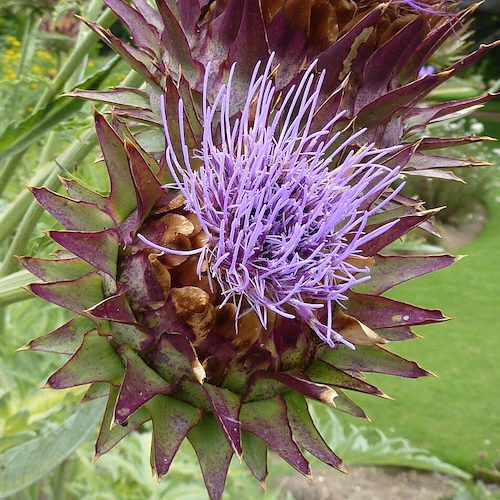
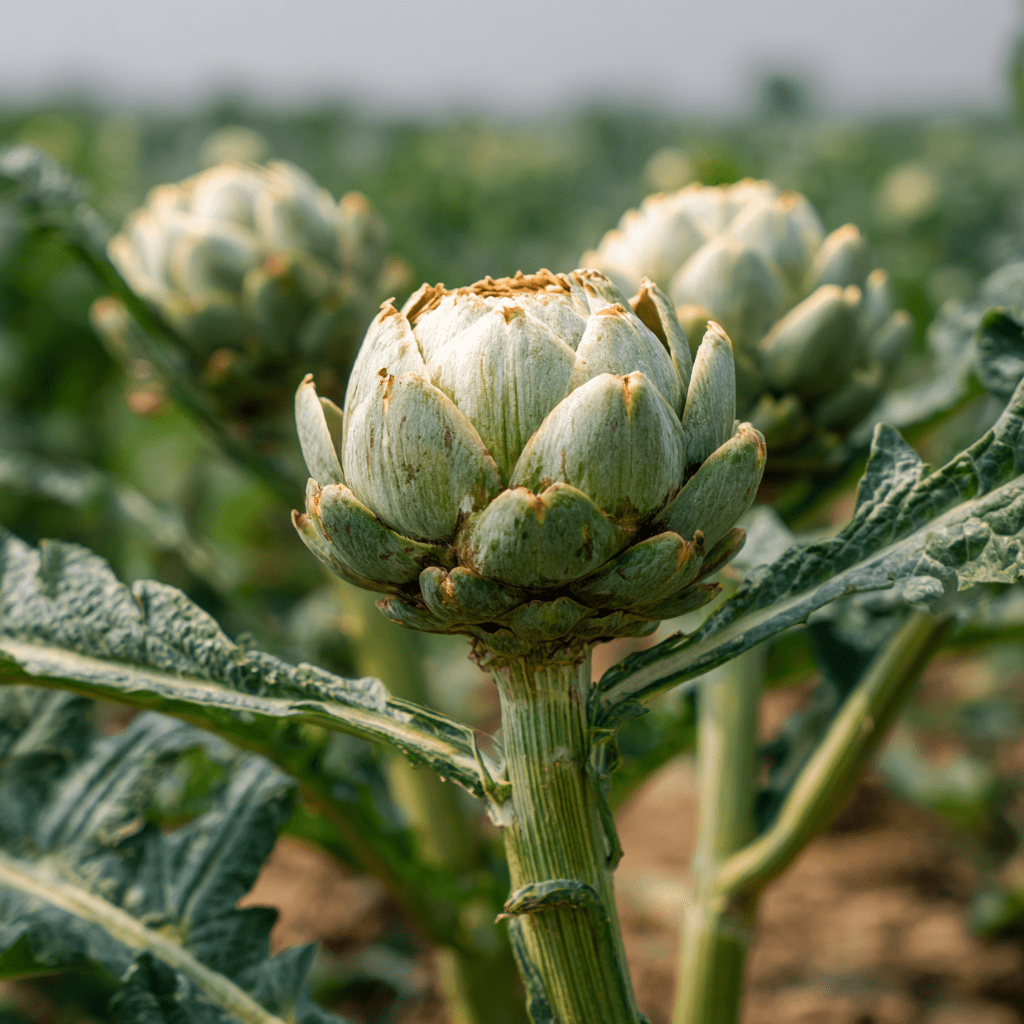
ALCACHOFA


Botanical name:
Cynara scolymus
Alternative names:
Artichoke
Main indications:
- liver disease, hepatitis
- high cholesterol
- inflammation
- prevention of heart disease
- Crohn’s disease
- diabetes
Short characteristics:
Alcachofa (artichoke) has been traditionally used in South America to support liver health by naturally stimulating bile production and secretion, which helps in the detoxification process. It plays a vital role in managing both acute and chronic inflammation of the bile ducts and improves digestion by regulating intestinal functions and supporting the production of digestive enzymes in the pancreas. Its use is beneficial for conditions such as liver dysfunction, Crohn’s disease, and as a complementary treatment for diabetes, as it helps lower blood sugar levels. Additionally, Alcachofa is known to aid in preventing cholesterol buildup in arteries, improve blood circulation, and support cardiovascular health. Its antioxidant properties contribute to overall organism maintenance and anti-aging effects, making it a valuable herbal remedy for promoting vitality and proper metabolic function. It also helps eliminate harmful substances through urine and supports the immune system—especially important during recovery or in cases of anemia caused by iron deficiency.
The usual way of use:
3 to 5 grams of alcachofa leaves (one to two large spoons) should be gently cooked in about 0.7 liters of water for 7 minutes. Drink throughout the day.
Powdered herbal extract, whether in capsules or in powder form, should be taken twice a day. The dose depends on the potency—please follow the instructions on the label or consult your health practitioner for guidance.
Composition
Alcachofa (Cynara scolymus) is renowned for its rich phytochemical profile that underpins its health benefits:
- Cynarin: A caffeic acid derivative and one of the main active compounds, known for stimulating bile secretion and supporting liver detoxification.
- Caffeic acid and chlorogenic acid: Phenolic acids with antioxidant and anti-inflammatory properties.
- Flavonoids: Including quercetin and luteolin, which help reduce oxidative stress and inflammation.
- Sesquiterpenes: Contribute to its hepatoprotective effects.
- Inulin: A prebiotic fiber present in the leaves, supporting digestion and gut health.
- Minerals: Such as potassium, magnesium, iron, and calcium, essential for metabolic functions.
This complex mixture of bioactive compounds makes Alcachofa a comprehensive herb for supporting liver, digestion, and overall detoxification.
Traditional Use
In Peruvian herbal traditions, Alcachofa has been valued for centuries to:
- Support Liver Health and Detoxification: Decoctions of the leaves and stems have been used to cleanse the liver from toxins and improve its function, especially in cases of overload from poor diet or alcohol consumption.
- Aid Digestion: Its bitter constituents stimulate digestive secretions, helping with indigestion, bloating, and gastrointestinal discomfort.
- Reduce Cholesterol and Support Cardiac Health: Traditionally consumed to balance blood fats and promote cardiovascular wellness.
- Support Kidney Function: Some regions use it to promote urine flow and assist in clearing waste from the body.
- Improve Blood Purification: Supporting the body’s natural cleansing processes, especially during illness or after periods of excess.
In a cultural context, Alcachofa is also believed to restore vitality and harmonize internal energies—aligning with holistic approaches to health.
Precautions and Possible Interactions
While generally considered safe when used in typical culinary amounts, significant precautions are warranted:
- Allergies: People allergic to plants in the Asteraceae family (like ragweed, daisies) may experience allergic reactions.
- Medication interactions:
- Given its stimulating effects on the liver and bile, it may interfere with medications processed by the liver.
- It could potentially alter the efficacy of drugs for blood sugar, cholesterol, or blood thinning—though formal interaction studies are limited.
- Pregnancy and breastfeeding: There is insufficient data; consult a healthcare provider before use.
- Gallstones or liver disease: Use with caution; consult a healthcare professional, as increased bile flow might aggravate some conditions.
Summary: Always consult with a healthcare provider before incorporating medicinal doses of Alcachofa, especially if you are under medication or have pre-existing health problems.
Available Scientific Studies and Evidence
Recent scientific research supports many of the traditional uses of Alcachofa:
1. Lipid Metabolism & Cardiometabolic Benefits (Animal Model)
Title: Effects of Cynara scolymus L. Bract Extract on Lipid Metabolism Disorders Through Modulation of HMG‑CoA Reductase, Apo A‑1, PCSK‑9, p‑AMPK, SREBP‑2, and CYP2E1 Expression
Link: https://www.mdpi.com/2218-1989/14/12/728
Summary: Shows how artichoke bract extract improves lipid profile, enhances antioxidant enzymes, reduces liver steatosis, and promotes gene expression related to lipid metabolism.
2. Meta-Analysis: Lipid-Lowering Effects in Humans
Title: Lipid-lowering activity of artichoke extracts: A systematic review and meta-analysis
Link: https://pubmed.ncbi.nlm.nih.gov/28609140/
Summary: Analysis of nine clinical trials (702 participants) revealed significant reductions in total cholesterol, LDL-cholesterol, and triglycerides, with no change in HDL.
3. Cardiometabolic Outcomes – RCT Meta-Analysis (2024)
Title: Effect of Cynara scolymus L. on Cardiometabolic Outcomes: An Updated Meta-analysis of Randomized Controlled Trials and Meta-regression
Link: https://journals.sagepub.com/doi/10.1177/09731296231217557
Summary: Artichoke supplementation significantly improved fasting blood sugar, insulin resistance, lipids, blood pressure, body weight, and BMI based on 21 RCTs.
4. Hepatoprotective in Obese Rats
Title: LC-MS/MS Analysis and Hepatoprotective Activity of Artichoke (Cynara scolymus L.) Leaves Extract against High Fat Diet-Induced Obesity in Rats
Link: https://pmc.ncbi.nlm.nih.gov/articles/PMC6556340/
Summary: Demonstrated that artichoke leaf extract reduced liver damage, oxidative stress, and improved lipid profile in obese rats on a high-fat diet.
5. Cardiac & Antioxidant Protection in Obesity Model
Title: Effect of Artichoke (Cynara scolymus) on cardiac markers, lipid profile and antioxidants levels in tissue of HFD-induced obesity
Link: https://pubmed.ncbi.nlm.nih.gov/31564131/
Summary: In obese rats, artichoke leaf extract lowered cholesterol, triglycerides, and markers of oxidative stress, while improving antioxidant enzyme levels and cardiac markers.
6. Broad Review of Bioactives & Applications (2023)
Title: Bioactive Compounds from Artichoke and Application Potential
Link: https://pmc.ncbi.nlm.nih.gov/articles/PMC10666951/
Summary: Reviews composition and biological properties of artichoke (polyphenols, flavonoids, inulin, antioxidants), and its therapeutic uses (antioxidant, antimicrobial, hepatoprotective, anticancer).
7. Functional Ingredients & Health Benefits (2024)
Title: Bioactive Compounds, Health Benefits and Food Applications of Artichoke (Cynara scolymus L.) and Artichoke By‑Products: A Review
Link: https://doi.org/10.3390/app14114940
Summary: Describes health-promoting potential of artichoke parts (leaves, stems), rich in phenolics and fiber, scavenging free radicals and providing cardiovascular, liver, and neurological protection.
8. Antioxidant Activity – Animal & In Vitro Evidence
Title: The antioxidant activity of artichoke (Cynara scolymus): A systematic review and meta-analysis of animal studies
Link: https://pubmed.ncbi.nlm.nih.gov/30345589/
Summary: Reviewing 39 studies, authors found potent antioxidant effects in animal models, including increased enzymes (SOD, catalase, glutathione) and lower oxidative markers (MDA).
9. Cholesterol Reduction in Humans (RCT)
Title: Artichoke leaf extract (Cynara scolymus) reduces plasma cholesterol in otherwise healthy hypercholesterolemic adults: a randomized, double blind placebo controlled trial
Link: https://pubmed.ncbi.nlm.nih.gov/18424099/
Summary: In hypercholesterolemic adults, daily artichoke leaf extract reduced total cholesterol modestly but significantly, with no change in LDL, HDL, or triglyceride levels.