Contact Info

AJOS SACHA

Botanical name:

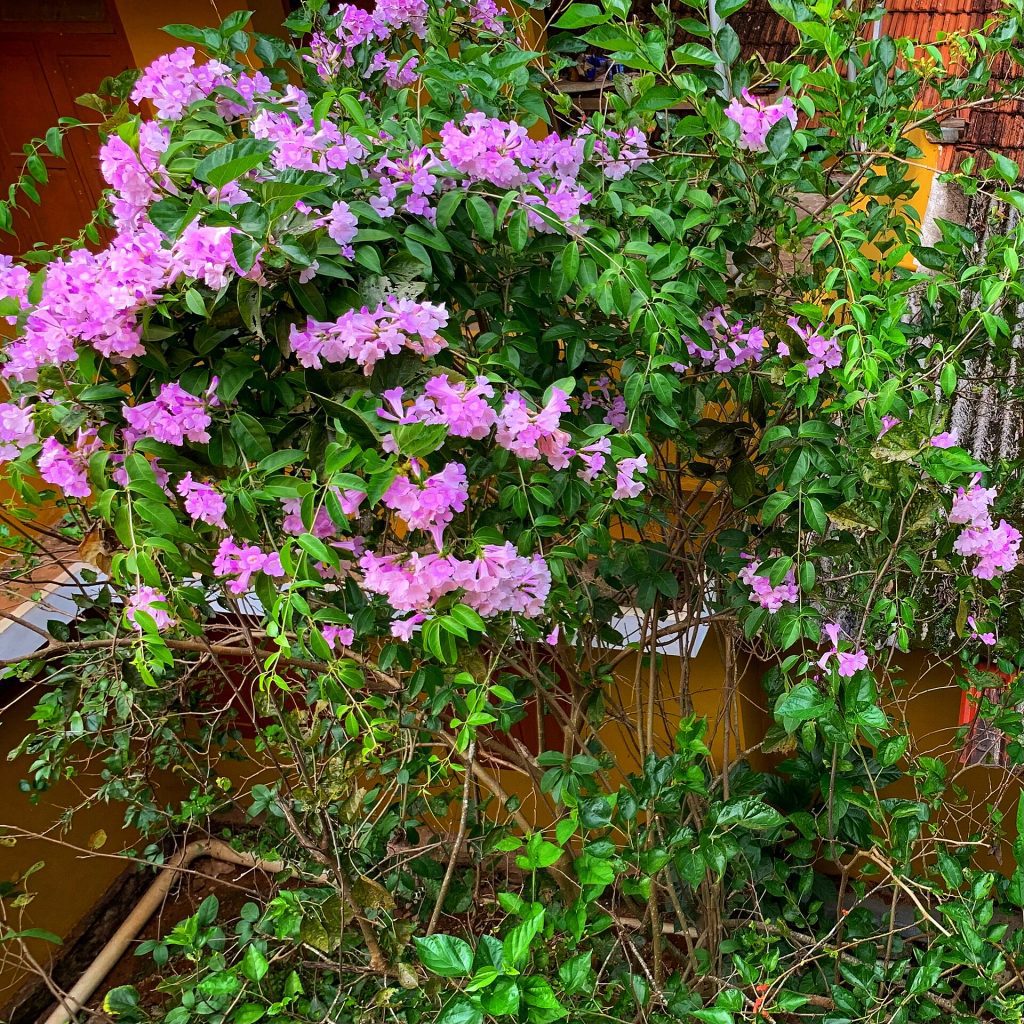
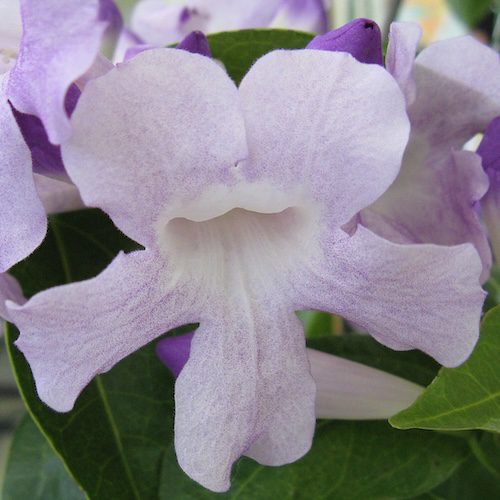
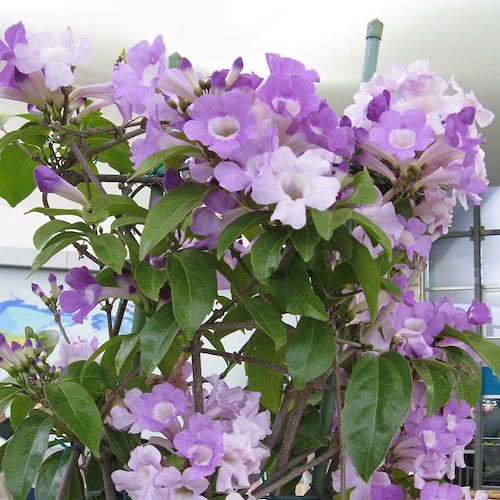
Mansoa alliacea

Alternative names:

Ajos sacha, Ajo sacha, Ajo falso, Flor de ajo, Aboeja-mibia, Ah-kah-pota, Ajo macho, Ajosacha, Ajos del monte, Amazonian garlic bush, Ayotete, Be’o-ho, Be’o-ja pusanga, Bejuco de ajo, Boens, Cipo-alho, Cipo-d’alho, False garlic, Garlic rope, Garlic vine, Gonofroe-tite, Ilay kamwi, Ka ale, Knof-looklian, Knoflook liaan, Koenofrokoetite, Kwi-po-kan, Liane-ail, Nia boens, Nishi boains, Posatalu, Sacha ajo, Sucho ajo, Shansque boains, Tingi-tite, Vova, Wild garlic, Woe-ipole

Main indications:

  • Rheumatism and arthritis
  • Respiratory conditions
  • Pain management
  • Fever and inflammatory illnesses
  • Nervous system support

THIS PLANT IS PART OF MÍSTICO DEL RANA DORADA HERBAL FORMULA.

Short characteristics:

Mansoa alliacea, commonly known as Ajos sacha and by many other names, is a potent Amazonian vine traditionally used for its broad therapeutic properties. Its rich content of sulfur compounds, such as allicin and diallyl disulphide, provides strong antimicrobial and anti-inflammatory effects, supporting its use in treating bacterial, fungal, and parasitic infections, as well as respiratory conditions like colds, flu, bronchitis, and throat infections. Additionally, Ajos sacha is valued for its ability to reduce pain, eliminate toxins, improve blood circulation, and support cardiovascular health. Its compounds help fight inflammation, boost immune function, and promote tissue healing, making it a versatile natural remedy widely employed in indigenous medicine for both infection control and overall vitality. 

Many indigenous communities also believe this plant can bring good luck.

The usual way of use:

Both bark and leaves are used. 3 to 5 grams of dried plant (one to two large spoons) should be gently cooked in about 0.7 liters of water for 7 minutes. Drink throughout the day.

Powdered herbal extract, whether in capsules or in powder form, should be taken twice a day. The dose depends on the potency—please follow the instructions on the label or consult your health practitioner for guidance.

Parts of the herb, especially the leaves, can be used topically to treat wounds and skin infections. Additionally, some indigenous women traditionally use crushed or broken leaves intravaginally to address acute inflammatory conditions.

Composition

The therapeutic effects of Ajos sacha are attributable to its rich phytochemical profile, notably:

  • Sulfur compounds: Including allicin, diallyl disulphide, S-allylcysteine, and diallyl trisulphide; these are primarily responsible for its garlic-like smell and are linked to many of its health benefits. These compounds constitute over 50% of its active components and are known for their potent antimicrobial, anti-inflammatory, and cardioprotective effects.
  • Alkaloids: Such as harmane, harmine, and harmaline, which exhibit neuroprotective, anti-inflammatory, and potentially anticancer properties.
  • Flavonoids and phenolics: Including quercetin and apigenin, which support immune function and oxidative stress reduction.
  • Other constituents: Tannins, terpenes, and resins, which contribute to antimicrobial and anti-inflammatory effects, as well as supportive roles in detoxification and tissue repair.

The synergy of these compounds explains its broad medicinal value.


Traditional Use

Indigenous tribes of the Amazon and surrounding regions have employed Ajos sacha for a multitude of health conditions:

  • Infection and immune support: Its strong antimicrobial properties make it effective against bacterial, fungal, and parasitic infections. The plant’s extracts have been used to treat wounds, boils, and skin infections, promoting healing and preventing infection.
  • Respiratory conditions: Its expectorant and antimicrobial effects are applied in treating colds, flu, bronchitis, pneumonia, and throat infections. The plant is often added to herbal infusions to relieve coughs, clear mucus, and reduce inflammation in the respiratory tract.
  • Anti-inflammatory and pain relief: The alkaloids and sulfur compounds support the reduction of inflammation, making it useful for rheumatism, arthritis, muscle pain, neuralgia, and headaches.
  • Blood detoxification and circulation: Its compounds help eliminate toxins, reduce blood clots, and support healthy circulation, thereby protecting cardiovascular health.
  • Parasitic infections: Potent anti-parasitic properties support the treatment of intestinal worms and other infestations.
  • General tonic use: Due to its adaptogenic and immune-stimulating qualities, Ajos sacha is used to strengthen the body’s defenses, improve vitality, and support recovery from illnesses.

These traditional applications are supported by the plant’s chemical properties and validated in ethnobotanical studies.


Precautions and Possible Interactions

While Ajos sacha is widely used in traditional regimes, modern considerations advise caution:

  • Blood thinning and cardiovascular effects: Its antithrombotic effects could amplify blood-thinning medications, increasing bleeding risks.
  • Blood pressure: The plant’s hypotensive (blood-pressure-lowering) properties mean it might affect individuals on antihypertensive drugs; monitor blood pressure if used regularly.
  • Pregnancy and breastfeeding: Limited safety data requires consulting healthcare providers before use during pregnancy or lactation.
  • Allergic reactions: Sensitive individuals may experience allergic responses, especially if allergic to garlic or related plants.
  • Drug interactions: As it supports immune and circulatory health, it might interact with immunosuppressants or anticoagulants.

Always seek professional advice before use, especially during ongoing medical treatment or if pregnant.


Available Scientific Studies

Recent scientific investigations validate many of the traditional claims:

1. Comprehensive Review of Phytochemical and Pharmacological Activities

Title: Phytochemical Constituents and Pharmacological Activities of Kigelia africana and Mansoa alliacea – A Comprehensive Review
Link: https://doi.org/10.22159/ajpcr.2018.v11s4.31703
Summary: Reviews isolated compounds and biological activities including anticancer, analgesic, antimicrobial, and antimalarial effects. innovareacademics.in


2. Phytochemical Screening of Plant Parts

Title: Initial Phytochemical Screening of the Different Parts of Mansoa alliacea L. (Garlic Vine)
Link: http://dx.doi.org/10.12692/ijb/11.3.219-223
Summary: Identifies the presence of alkaloids, flavonoids, phenols, quinones, saponins, tannins—especially abundant in leaves and roots—suggesting antioxidant potential. innspub.net


3. Ethnobotanical Review of Medicinal Use

Title: Review on Garlic Creeper—Mansoa alliacea (Lam.) A.H. Gentry (Bignoniaceae)
Link: https://www.pharmacognosyjournal.net/archives/2021.v3.i1.A.25/review-on-garlic-creeper-mansoa-alliacea-lam-ah-gentry-bignoniaceae
Summary: Details traditional Amazonian use of the plant for cold, flu, fever, pain, cramps, mosquito repellent, epilepsy, uterine disorders, and highlights bioactive compounds like allicin, flavones, saponins, with antioxidant, antibacterial, antifungal, anti-inflammatory, larvicidal, and antiplasmodial properties. pharmacognosyjournal.net+1


4. Antibacterial Activity of Leaf Extracts

Title: Evaluation of Antibacterial Activity of Leaf Extracts of Mansoa alliacea …
Link: https://innspubnet.wordpress.com/2018/08/04/evaluation-of-antibacterial-activity-of-leaf-extracts-of-mansoa-alliacea-lam-a-h-gentry-tecomaria-capensis-thunb-spach-and-tecoma-stans-l-juss-ex-h-b-k-jbes/
Summary: Leaf extracts (hexane, chloroform, ethanol, aqueous) show significant inhibitory effects against Staphylococcus aureus and Escherichia coli, with MIC values in the mg/mL range. innspubnet.wordpress.com


5. Hepatoprotective Effects in Rats

Title: Screening of Mansoa alliacea Leaf Extracts Hepatoprotective Activity Against Carbon Tetrachloride‑Induced Liver Damage Model
Link: https://www.nveo.org/index.php/journal/article/view/4442
Summary: Demonstrates significant liver-protective effects in rats, especially with ethanolic extract—via reduction of liver enzyme markers and supported by histopathology. nveo.org


6. Cytotoxic Effects on Tumor & Embryonic Mouse Cells

Title: Effect of Mansoa alliacea (Bignoniaceae) Leaf Extract on Embryonic and Tumorigenic Mouse Cell Lines
Link: https://doi.org/10.5897/JMPR2015.5823
Summary: Water extract selectively inhibits cancer cell growth in vitro (T3‑HA cells) while having less impact on embryonic NIH Swiss cells. Academic Journals


7. Immunological and Antimicrobial Comparison with Garlic

Title: Characterization of Garlic (Allium sativum) Extract and Garlic Vine (Mansoa alliacea) Leaf Extract, and Their Evaluation on the Humoral Response and Antibacterial Activity
Link: http://repositorio.yachaytech.edu.ec/handle/123456789/811
Summary: Ethanolic garlic vine extracts showed no cytotoxicity or antimicrobial activity at tested concentrations, but did elicit stronger humoral immune responses compared to garlic. repositorio.yachaytech.edu.ec