Contact Info

AGUAYMANTO

Botanical name:

Physalis peruviana

Alternative names:

Physalis, Goldenberry

Main indications:

  • Immune Boosting
  • Blood Purification
  • Anti-inflammatory remedy
  • Gastrointestinal aid
  • Skin health

Short characteristics:

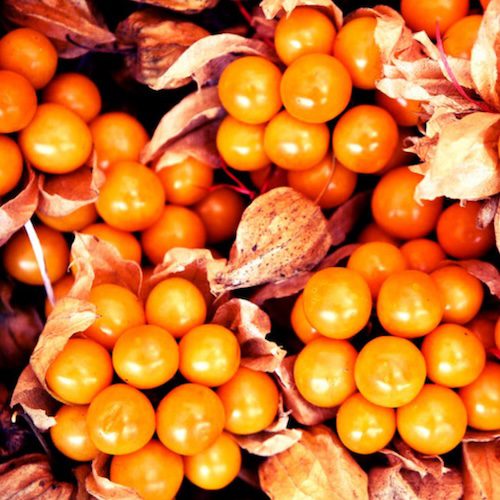
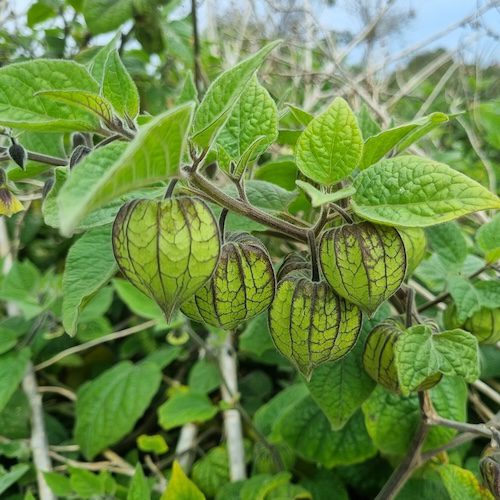
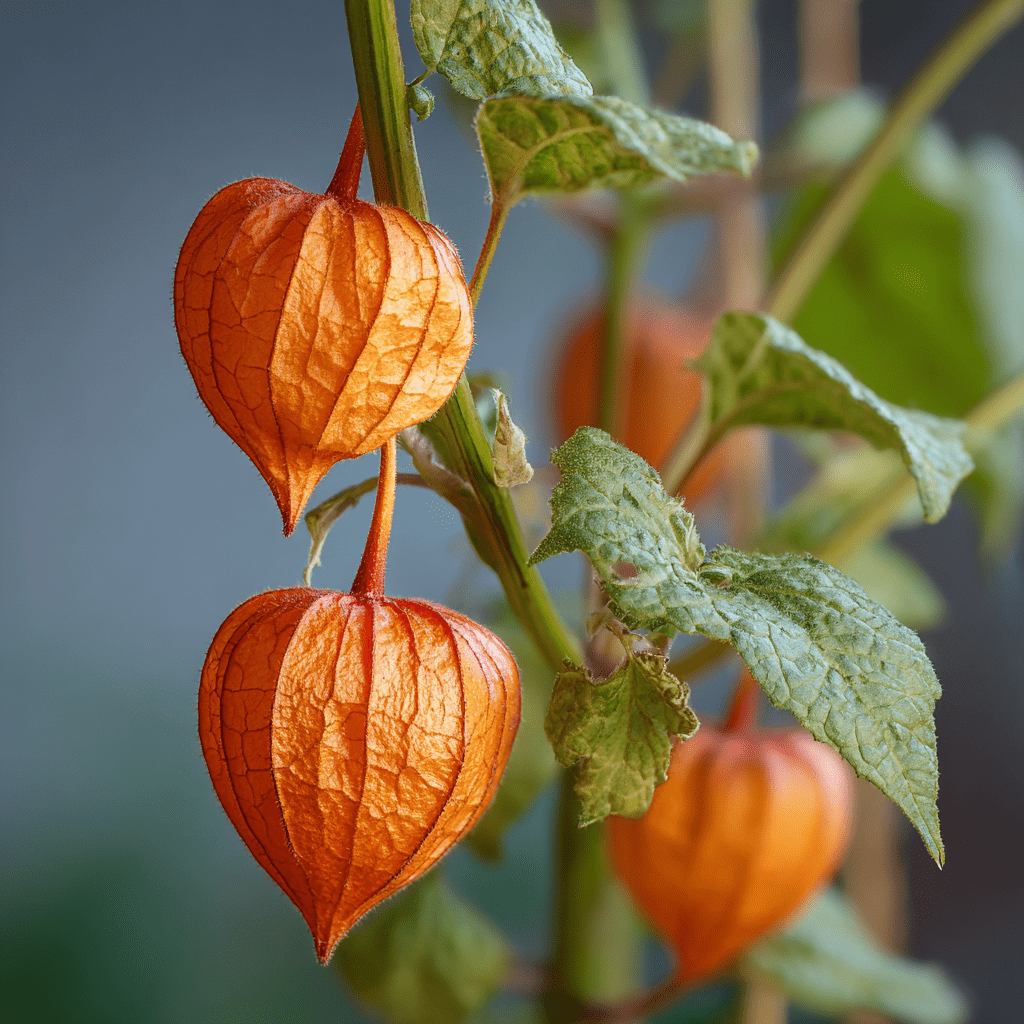
Aguaymanto, known scientifically as Physalis peruviana, is a bright orange, berry-like fruit native to the Andes of Peru and other South American countries. Celebrated for its rich flavor and vibrant appearance, aguaymanto has been valued not only as a nutritious food but also as a medicinal plant used by indigenous peoples for centuries. In recent years, scientific research has begun to validate many of its traditional health claims.

Usual way of use:

Eaten as a whole fruit, used in juices, dried and powdered.


Composition

Aguaymanto is a potent source of bioactive compounds that contribute to its medicinal qualities:

  • Vitamins: exceptionally high in vitamin C (ascorbic acid), often containing up to 30–60 times more vitamin C per gram than an orange, supportive of immune health.
  • Carotenoids: including beta-carotene, lutein, and zeaxanthin, which are antioxidants beneficial for eye health and cellular protection.
  • Phenolic compounds: such as chlorogenic acid and ferulic acid, known for their antioxidant and anti-inflammatory activities.
  • Minerals: like potassium, calcium, and magnesium, essential for nerve function, blood pressure regulation, and muscle health.
  • Other phytochemicals: including formononetin and quercetin, which support immune modulation and reduce oxidative stress.

The synergy of these compounds underpins aguaymanto’s wide-ranging health benefits.


Traditional Use

For generations, Andean communities have used aguaymanto as both food and medicine. Its traditional applications include:

  • Immune Boosting: Due to its high vitamin C content, aguaymanto is believed to strengthen resistance against common colds and infections.
  • Blood Purification: Indigenous healers have used aguaymanto decoctions to detoxify the blood and cleanse internal organs.
  • Anti-inflammatory remedy: Its leaves and fruit are used to reduce pain, swelling, and inflammation, especially in conditions like arthritis.
  • Gastrointestinal aid: The fruit and leaves are employed to treat stomach pains, diarrhea, and parasitic infections.
  • Skin health: Topical applications of aguaymanto extracts have been used to treat skin ailments and wounds, leveraging the fruit’s antioxidant properties.

Moreover, due to its high antioxidant content, aguaymanto is often consumed to combat aging and enhance overall vitality.


Precautions and Possible Interactions

While aguaymanto is generally considered safe when consumed as food, it’s important to be aware of precautions:

  • Allergens: Some individuals, especially those allergic to nightshades (Solanaceae family), may have adverse reactions.
  • Excessive vitamin C intake: High doses (from supplements or large quantities) could cause gastrointestinal discomfort, kidney stones in susceptible individuals, or diarrhea.
  • Drug interactions: Although there is limited specific research, excessive antioxidants or vitamin C can sometimes interfere with certain medications, such as blood thinners or chemotherapeutic agents. It is advisable to consult a healthcare professional before using aguaymanto supplements if you are on medication.
  • Pregnancy & breastfeeding: While safe in dietary amounts, large therapeutic doses should be avoided unless confirmed safe by a healthcare provider.

Available Scientific Studies

Recent scientific research supports many of the health claims historically attributed to aguaymanto:

  •  

The usual way of use:

3 to 5 grams of dried herb (one to two large spoons) should be gently cooked in about 0.7 liters of water for 7 minutes. Drink throughout the day.

Powdered herbal extract, whether in capsules or in powder form, should be taken twice a day. The dose depends on the potency—please follow the instructions on the label or consult your health practitioner for guidance.

Parts of the herb, especially the leaves, can be used topically to treat wounds and skin infections. Additionally, some indigenous women traditionally use crushed or broken leaves intravaginally to address acute inflammatory conditions.

WARNING: The herb can increase glucose levels. It should be used with caution by diabetic and pre-diabetic patients.

Composition

Achiote’s medicinal qualities are largely attributed to its unique and potent phytochemicals. The key components include:

  • Carotenoids: Mainly bixin, norbixin, and other apocarotenals, which give the seeds and pulp their characteristic orange-red color. These compounds are strong antioxidants known for protective effects against oxidative stress.

  • Tannins: Polyphenolic compounds with astringent, anti-inflammatory, and antimicrobial properties that support tissue healing.

  • Flavonoids: Such as quercetin and kaempferol derivatives, contributing to anti-inflammatory and antioxidant activities.

  • Phenolic acids: Including chlorogenic acid, which further promotes detoxification and cellular protection.

  • Essential oils: Containing volatile compounds like geraniol, limonene, and other terpenoids, which have antimicrobial and anti-inflammatory effects.

These compounds work synergistically to support healing, tissue regeneration, and immune defense.


Traditional Use

Indigenous peoples have used Achiote in various ways, highlighting its healing properties:

  • Wound and Skin Healing: The seeds and leaves are applied topically as poultices or infusions to cuts, burns, skin infections, and inflammations. Its antimicrobial and tissue-regenerating compounds promote faster recovery.

  • Blood Purification and Detox: Decoctions from bark and seeds are used to cleanse the blood and treat internal inflammations, supporting overall vitality.

  • Healing Internal Conditions: Traditionally, the herb is taken internally to address stomach pains, bloating, and parasitic infections, owing to its digestive and anti-inflammatory effects.

  • Natural Dye with Medicinal Benefits: The vibrant red seeds and pulp have also been used in rituals, symbolizing health and vitality, reinforcing its role as a gift from nature for healing.

In Peruvian culture, Achiote’s holistic use encompasses both physical and spiritual well-being, emphasizing harmony with nature.


Precautions and Possible Interactions

While Achiote has been safely used for generations, modern scientific knowledge on its safety profile is limited, and caution is advised:

  • Allergic reactions: Some individuals may experience allergic dermatitis or sensitivities to the plant, especially with topical use.

  • Pregnancy and breastfeeding: There is insufficient data on safety; therefore, pregnant or nursing women should consult healthcare providers before use.

  • Drug interactions: Due to its potential blood-thinning properties and effects on circulation, Achiote may interact with anticoagulants or blood pressure medications, enhancing bleeding risk or affecting blood pressure regulation.

  • Toxicity concerns: Large doses of extracts or concentrated forms may have adverse effects; always adhere to traditional dosages and consult a qualified herbalist.

In summary: Always seek professional advice before incorporating Achiote into medical treatments or daily health routines, especially if under medication or with pre-existing conditions.


Available Scientific Studies

Although much of traditional knowledge remains unverified by Western science, recent studies have begun to shed light on Achiote’s healing potential.

1. Review: Antioxidant, Antimicrobial, and Biochemical Activities

Title: Review on Evaluation of Physalis peruviana L.’s Antioxidant, Antimicrobial and Biochemical Activities
Link: https://doi.org/10.9734/ajrb/2021/v9i230198
Summary: Highlights antioxidant, antibacterial, antiviral, anti-inflammatory, and antineoplastic compounds including vitamins and flavonoids. journalajrb.com


2. Nutritional & Biological Activity in Portugal

Title: Nutritional Composition and Biological Activity of Goldenberry (Physalis peruviana L.): An Emerging Fruit Crop in Portugal
Link: https://doi.org/10.3390/Foods2021-10949
Summary: Analyzes nutrient profile and bioactivities, useful as a functional food. MDPI


3. Antioxidant Activity of Fruit Extracts

Title: Antioxidant Effect of Physalis peruviana Fruit Aqueous Extract
Link: https://doi.org/10.5539/jas.v7n12p137
Summary: Demonstrates protective effects against oxidative damage in erythrocytes exposed to toxic herbicide (2,4-D). CCSE


4. Anti-Inflammatory Effects of Calyces

Title: Anti-inflammatory activity of extracts and fractions obtained from Physalis peruviana L. calyces
Link: https://pubmed.ncbi.nlm.nih.gov/17546228/
Summary: Validates traditional use, showing dose-dependent anti-inflammatory response in mouse ear edema model. PubMed


5. Antidiabetic Effects in Diabetic Mice

Title: Extract of Calyces from Physalis peruviana Reduces Insulin Resistance and Oxidative Stress in Streptozotocin-Induced Diabetic Mice
Link: https://doi.org/10.3390/pharmaceutics14122758
Summary: Calyces extract improved insulin sensitivity and reduced oxidative stress in diabetic mice. MDPI


6. Comprehensive Nutrient & Bioactivity Profile (2025)

Title: Nutrients, Phytochemicals, and In Vitro Biological Activities of Goldenberry (Physalis peruviana L.) Fruit and Calyx
Link: https://doi.org/10.3390/plants14030327
Summary: Provides an updated in-vitro evaluation of nutritional and phytochemical properties of both fruit and calyx. MDPI


7. Andean Berries – Ecological & Health Potential

Title: Andean berries from Ecuador: A review on Botany, Agronomy, Chemistry and Health Potential
Link: https://content.iospress.com/articles/journal-of-berry-research/jbr093
Summary: Reviews health applications of Physalis peruviana, including anticancer, anti-inflammatory, antihypertensive, and liver-protective activities. content.iospress.com