

ACHIOTE
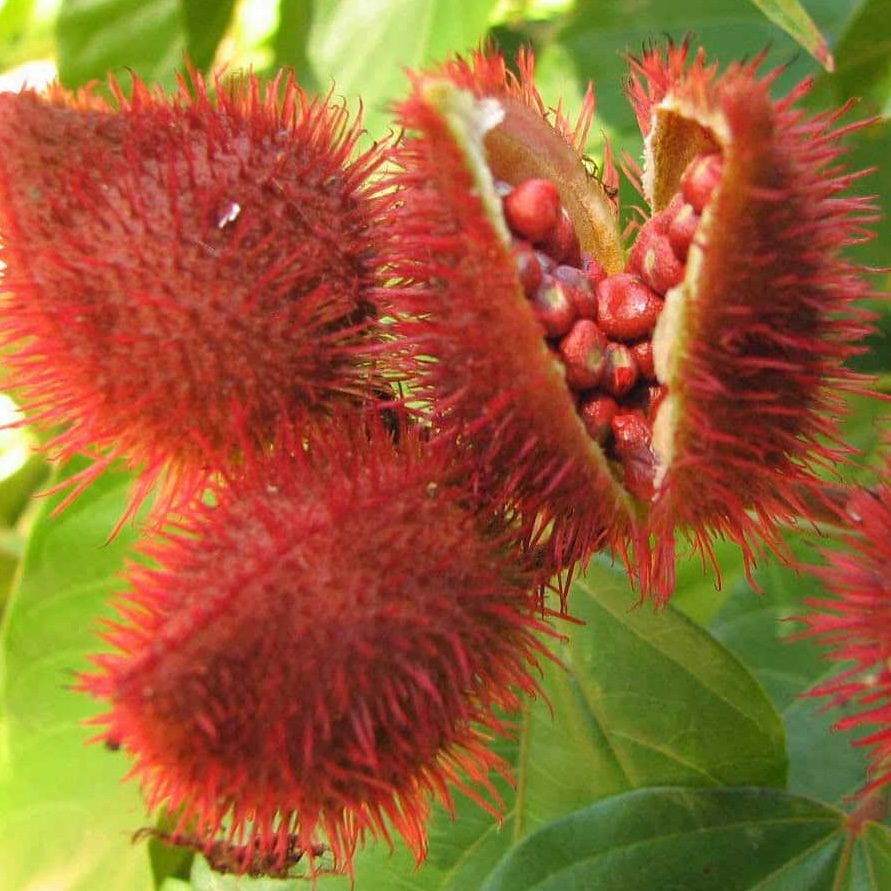
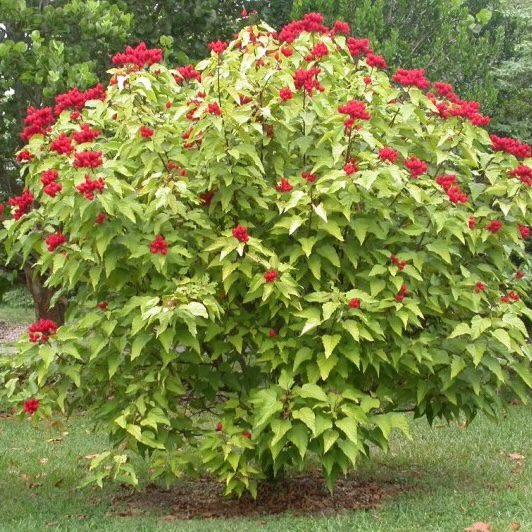
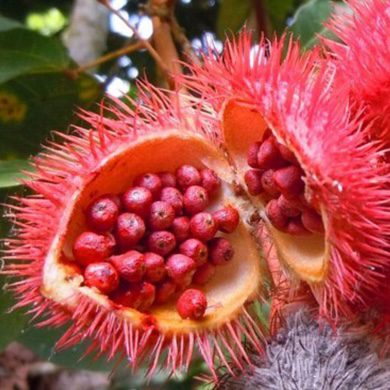
Botanical name:
Bixa orellana
Alternative names:
Annatto, Achiotec, Achiotl, Achote, Urucu
Main indications:
prostate inflammation
inflammation of the vagina and reproductive organs
urinary tract infections
kidney failure, nephrosis
liver disease, hepatitis
inflammatory skin diseases, skin infections
inflammation of the tonsils, larynx, and respiratory tract
hemorrhoids
high cholesterol
gonorrhea and other sexually transmitted diseases
leprosy
parasites
gout
THIS HERB IS PART OF CORAZÓN DEL PUMA HERBAL FORMULA.
Short characteristics:
In traditional medicine, Achiote (Bixa orellana), also known as annatto, is valued for its diverse healing properties rooted in indigenous practices. It is primarily used as an anti-inflammatory and wound-healing agent, with its leaves and seeds applied topically to treat cuts, skin infections, and inflammations. Its seeds contain natural carotenoids and antioxidants that help protect cells from oxidative damage, supporting overall health and vitality. Additionally, Achiote is believed to promote blood circulation, aid in detoxification, and help alleviate digestive issues, such as stomach pains and bloating. Its vibrant color and medicinal applications reflect its importance in traditional herbal pharmacopeias across Central and South America, especially for restoring body strength and healing tissues.
The usual way of use:
3 to 5 grams of dried herb (one to two large spoons) should be gently cooked in about 0.7 liters of water for 7 minutes. Drink throughout the day.
Powdered herbal extract, whether in capsules or in powder form, should be taken twice a day. The dose depends on the potency—please follow the instructions on the label or consult your health practitioner for guidance.
Parts of the herb, especially the leaves, can be used topically to treat wounds and skin infections. Additionally, some indigenous women traditionally use crushed or broken leaves intravaginally to address acute inflammatory conditions.
WARNING: The herb can increase glucose levels. It should be used with caution by diabetic and pre-diabetic patients.
Composition
Achiote’s medicinal qualities are largely attributed to its unique and potent phytochemicals. The key components include:
Carotenoids: Mainly bixin, norbixin, and other apocarotenals, which give the seeds and pulp their characteristic orange-red color. These compounds are strong antioxidants known for protective effects against oxidative stress.
Tannins: Polyphenolic compounds with astringent, anti-inflammatory, and antimicrobial properties that support tissue healing.
Flavonoids: Such as quercetin and kaempferol derivatives, contributing to anti-inflammatory and antioxidant activities.
Phenolic acids: Including chlorogenic acid, which further promotes detoxification and cellular protection.
Essential oils: Containing volatile compounds like geraniol, limonene, and other terpenoids, which have antimicrobial and anti-inflammatory effects.
These compounds work synergistically to support healing, tissue regeneration, and immune defense.
Traditional Use
Indigenous peoples have used Achiote in various ways, highlighting its healing properties:
Wound and Skin Healing: The seeds and leaves are applied topically as poultices or infusions to cuts, burns, skin infections, and inflammations. Its antimicrobial and tissue-regenerating compounds promote faster recovery.
Blood Purification and Detox: Decoctions from bark and seeds are used to cleanse the blood and treat internal inflammations, supporting overall vitality.
Healing Internal Conditions: Traditionally, the herb is taken internally to address stomach pains, bloating, and parasitic infections, owing to its digestive and anti-inflammatory effects.
Natural Dye with Medicinal Benefits: The vibrant red seeds and pulp have also been used in rituals, symbolizing health and vitality, reinforcing its role as a gift from nature for healing.
In Peruvian culture, Achiote’s holistic use encompasses both physical and spiritual well-being, emphasizing harmony with nature.
Precautions and Possible Interactions
While Achiote has been safely used for generations, modern scientific knowledge on its safety profile is limited, and caution is advised:
Allergic reactions: Some individuals may experience allergic dermatitis or sensitivities to the plant, especially with topical use.
Pregnancy and breastfeeding: There is insufficient data on safety; therefore, pregnant or nursing women should consult healthcare providers before use.
Drug interactions: Due to its potential blood-thinning properties and effects on circulation, Achiote may interact with anticoagulants or blood pressure medications, enhancing bleeding risk or affecting blood pressure regulation.
Toxicity concerns: Large doses of extracts or concentrated forms may have adverse effects; always adhere to traditional dosages and consult a qualified herbalist.
In summary: Always seek professional advice before incorporating Achiote into medical treatments or daily health routines, especially if under medication or with pre-existing conditions.
Available Scientific Studies
Although much of traditional knowledge remains unverified by Western science, recent studies have begun to shed light on Achiote’s healing potential.
1. Anti-Inflammatory & Analgesic Activity (Leaf Extracts)
Title: In‑Vitro and In‑Vivo Anti‑Inflammatory and Analgesic Activity of Bixa orellana Linn Leaf Extracts
Link: https://doi.org/10.31531/2581-3080.1000108
Summary: Investigates various leaf extract fractions in animal models, showing notable anti-inflammatory and pain-relieving effects compared to standard drugs.
2. Diarrhea Treatment (Leaf Extracts)
Title: Effect of the Hydroethanolic Extract of Bixa orellana Linn (Bixaceae) Leaves on Castor Oil-Induced Diarrhea in Swiss Albino Mice
Link: https://www.ncbi.nlm.nih.gov/pmc/articles/PMC6914941/
Summary: Demonstrates significant reduction in diarrhea severity as well as intestinal secretion and motility in mice.
3. Antihistamine & Anti-Inflammatory Activity
Title: Chemical Constituents and Antihistamine Activity of Bixa orellana Leaf Extract
Link: https://bmccomplementmedtherapies.biomedcentral.com/articles/10.1186/1472-6882-13-32
Summary: Shows that aqueous leaf extract decreased vascular permeability and reduced levels of NO and VEGF, supporting anti-inflammatory and antihistamine potential.
4. Inflammation via Nitric Oxide Suppression
Title: Bixa orellana Leaves Extract Inhibits Bradykinin-Induced Inflammation through Suppression of Nitric Oxide Production
Link: https://pubmed.ncbi.nlm.nih.gov/21252569/
Summary: Indicates dose-dependent anti-inflammatory effects in rats, likely mediated by suppression of NO synthesis and bradykinin pathways.
5. Hypolipidemic Effects (Seed Extracts)
Title: Effects of Bixa orellana L. Seeds on Hyperlipidemia
Link: https://pubmed.ncbi.nlm.nih.gov/22451331/
Summary: Aqueous seed extract significantly lowered triglyceride levels in hyperlipidemic mice across various induction models (Triton, fructose, ethanol).
6. Lipid & Bone Health Synergy (Annatto Oil + Granules)
Title: Co‑Treatment of Purified Annatto Oil (Bixa orellana L.) and Its Granules (Chronic®) Improves the Blood Lipid Profile and Bone Protective Effects of Testosterone in the Orchiectomy‑Induced Osteoporosis in Wistar Rats
Link: https://doi.org/10.3390/molecules26164720
Summary: Combined treatment improved lipid profiles and enhanced bone-protective effects in an osteoporosis rat model.
7. Antimalarial Evaluation (Cultured Tissue)
Title: Antimalarial Evaluation of the Chemical Constituents of Hairy Root Culture of Bixa orellana L.
Link: https://doi.org/10.3390/molecules19010756
Summary: Explores isolated compounds from in vitro root cultures for antimalarial activity.
8. Antimicrobial & Anti-Inflammatory Against Mycobacteria
Title: Ethyl Acetate Fraction of Bixa orellana and Its Component Ellagic Acid Exert Antibacterial and Anti‑Inflammatory Properties against Mycobacterium abscessus subsp. massiliense
Link: https://www.ncbi.nlm.nih.gov/pmc/articles/PMC9220277/
Summary: Demonstrates antimicrobial, anti-inflammatory, and in vivo protective effects in infection models and inflammation assays.
9. Pain-Relief Synergy with Cannabis Extracts
Title: Synergistic Pain‑Reducing Effects of Bixa orellana (Chronic® and Chronic In®) and Cannabidiol‑Rich Cannabis sativa Extracts in Experimental Pain Models
Link: https://doi.org/10.3390/ph17121710
Summary: Identifies enhanced analgesic effects when annatto extracts are combined with CBD-rich cannabis extract in animal pain models.