

COCA
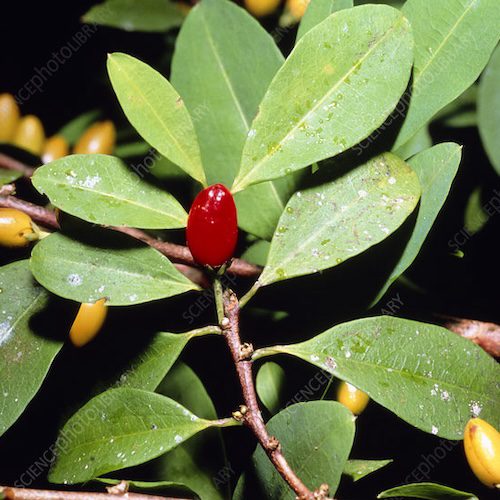
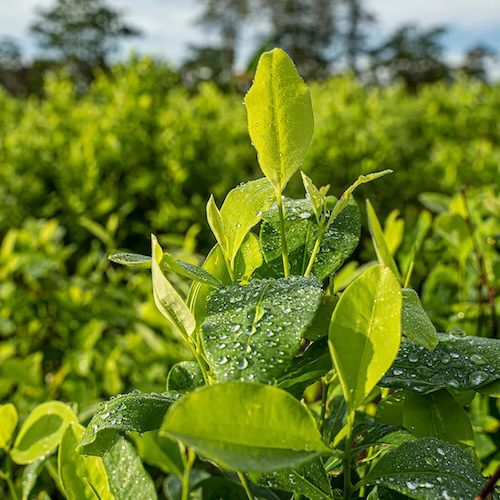
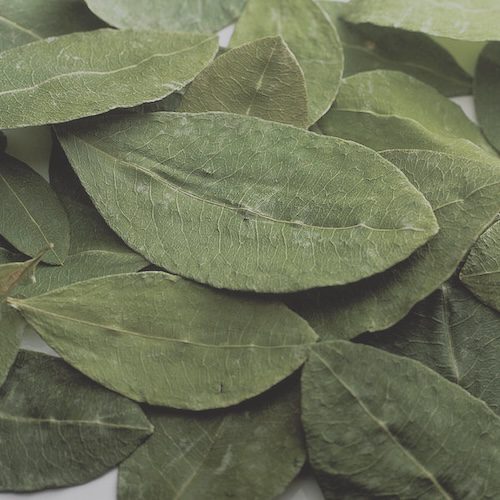
Botanical name:
Erythroxylum coca (and, in some Andean zones, E. novogranatense). The leaf is not cocaine.
Alternative names:
Kuka, khoka, ypadú, mama coca
Main indications:
Andean chew and mate de coca for work, hunger, and altitude
folk stomach and headache tea
legal and precursor warning — see below
Short characteristics:
WARNING. Coca leaf is a precursor to cocaine and is illegal in many countries. This page is about the Andean leaf, not the isolated alkaloid.
Coca is Erythroxylum coca, a highland and yunga shrub. People chew the leaf with an alkaline ash and drink mate de coca. That is food-and-work use: hunger, thirst, a long walk, a high pass. WHO documents have treated the leaf as distinct from cocaine hydrochloride; the politics around scheduling are not settled, and the legal fact on the ground is still a ban in much of the world.
Restrepo and colleagues reviewed the leaf’s alkaloids and phenolics. That chemistry paper is not a license to import leaf, and it is not a cardiology protocol. This site sells nothing.
Short characteristics:
Traditionally, the coca plant (Erythroxylum coca) has been used by Indigenous peoples of the Andes and Amazon as a medicinal and ritual herb rather than for its isolated alkaloid, cocaine. The leaves are chewed with alkaline substances or brewed as tea to reduce fatigue, hunger, and thirst, making them invaluable during long journeys, hunting, or agricultural work. In Amazonian medicine, coca is employed to ease digestive problems, headaches, and circulatory weakness, while also serving as a mild pain reliever and respiratory aid. Beyond physical health, coca plays a role in ceremonial life, where powdered or chewed leaves (mambe or ypadu) help focus the mind, promote dialogue, and strengthen communal bonds. In this context, coca is seen as both a nutritive tonic and a sacred plant, supporting endurance, balance, and harmony with the environment.
The usual way of use:
Traditional use is a chew (acullico) with a small alkaline llipta, or a short infusion of leaves (mate de coca).
This site does not sell leaf and does not ship it.
WARNING: Illegal in many countries. Isolated cocaine is a different substance. Do not extract. Not for children or as a home stimulant protocol.
Composition
The leaf holds a suite of tropane alkaloids, cocaine among them, at a small percentage of dry weight, plus flavonols and other phenolics. Chewing with alkali changes what reaches the blood compared with sniffing a salt. Restrepo 2019 is a chemistry review of that leaf, not a how-to.
Traditional use
Andean use is old: work, hunger, ritual, and a social chew. Ypadú (toasted leaf powder with ash) is a lowland variant. None of that is the same as cocaine as a street or clinic drug. Folk talk also names stomach and headache teas.
Precautions
The legal line is the first precaution. WHO’s Executive Board paper EB120/36 and later ECDD coca-leaf reviews are the documents to read if you want the international-control argument; they do not override national criminal law. Pregnant people and anyone told to avoid stimulants should not treat mate as harmless tea.
Opened studies
WHO Executive Board (2007). Coca leaf: document EB120/36. International-control discussion of the leaf, not a trial. WHO EB120/36.
WHO ECDD (2024). Critical review / coca leaf materials. Scheduling review documents; not a clinical endorsement. WHO ECDD.
Restrepo et al. (2019). Erythroxylum in focus: an interdisciplinary review of an understudied genus. Molecules. Chemistry and context of the leaf. doi:10.3390/molecules24203788.