

MARCO
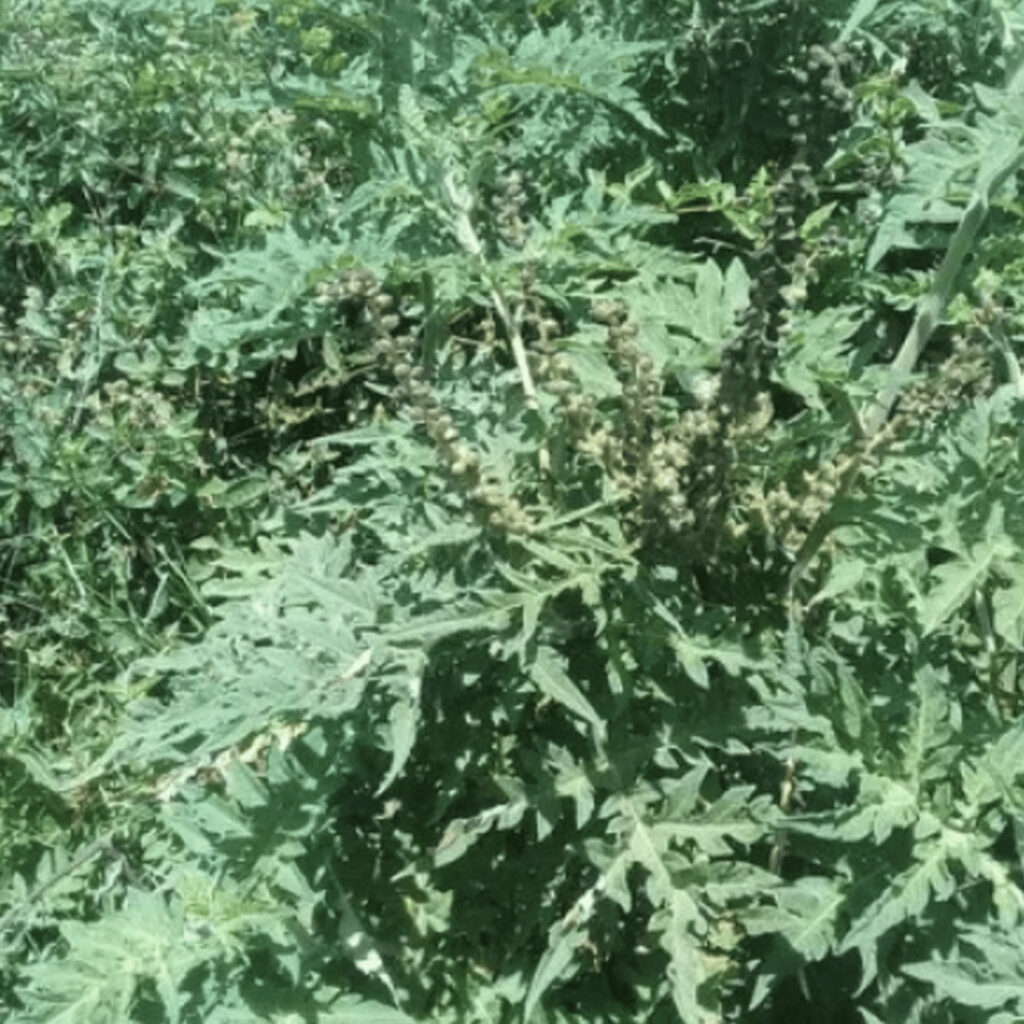
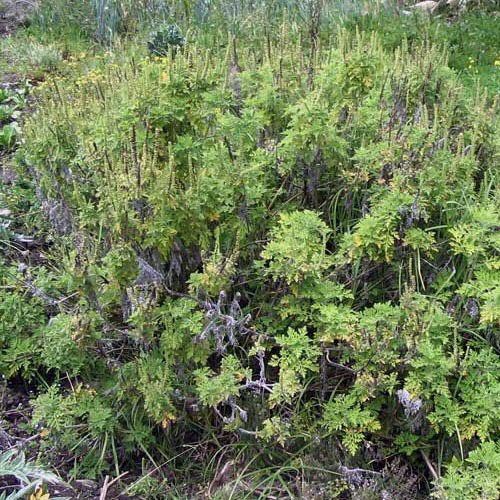
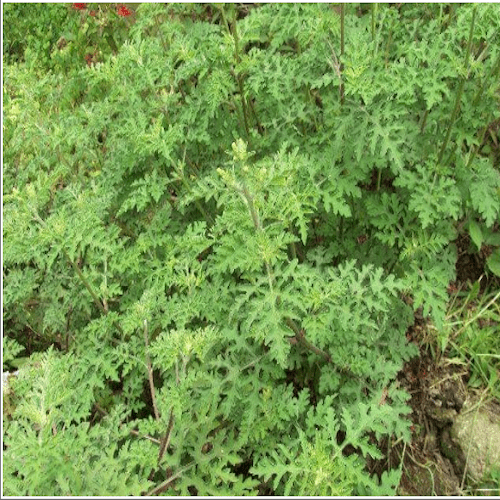
Botanical name:
Ambrosia peruviana (also Ambrosia cumanensis). Not A. arborescens.
Alternative names:
Marco, Peruvian ragweed, alcanfor, altamisa, maki, marrco, marcju
Main indications:
joint discomfort, in folk use
restlessness and headaches, in folk use
menstrual cramps, in folk use
bitter stomach tea, in folk use
Short characteristics:
Marco is an Ambrosia, a ragweed relative of the Andes and tropical America — bitter, aromatic, folk tea and ritual smoke. The material on this page is Ambrosia peruviana, also listed as A. cumanensis. It is not A. arborescens, and it is not an Amazonian master plant.
People brew the dried leaf as a bitter stomach tea, rub it for joint discomfort, and burn it to clear a room. The same plant turns up in stories of restlessness, headache, and menstrual cramps. That is household and ritual use. It is not a Parkinson’s, Alzheimer’s, or MS medicine.
The usual way of use:
3 to 5 grams of dried herb cooked in about 0.7 liters of water for 7 minutes. Drink through the day. Also used as ritual smoke.
This site sells nothing.
WARNING: Asteraceae / ragweed-family allergy. Not a neurodegenerative drug. Smoke is still smoke.
Composition
Bitter Ambrosia: sesquiterpene lactones and ordinary Asteraceae phenolics in the genus. I am not inventing a Parkinson’s alkaloid list.
Traditional use
Andean and tropical American bitter tea and ritual smoke for stomach, joints, headache, and menstrual cramps. Not a master plant.
Precautions
Ragweed-family allergy. Pregnancy unknown. Not a neurodegenerative or parasite drug. Wikipedia, CABI, and TRAMIL-as-study are not citations here.
Opened studies
Bernal Rodríguez et al. (2023). Ambrosia peruviana seed extract and nitric oxide in macrophages. Brazilian Journal of Pharmaceutical Sciences. Lab immunology; not a human trial. SciELO.