Contact Info

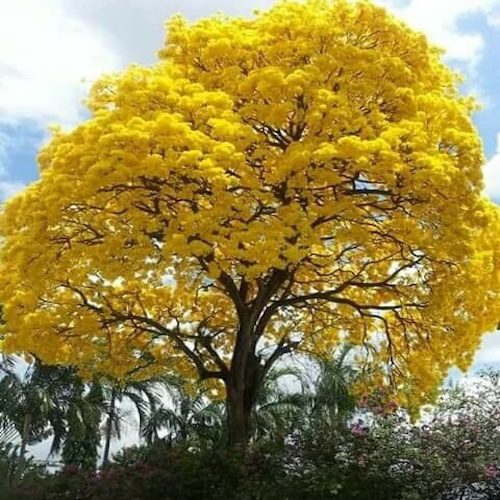
TAHUARI (PAU D’ARCO AMARELO)
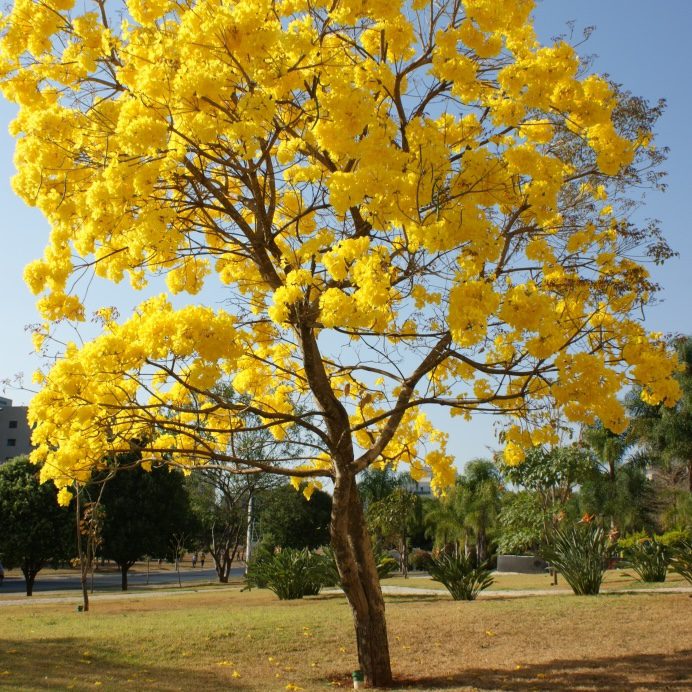
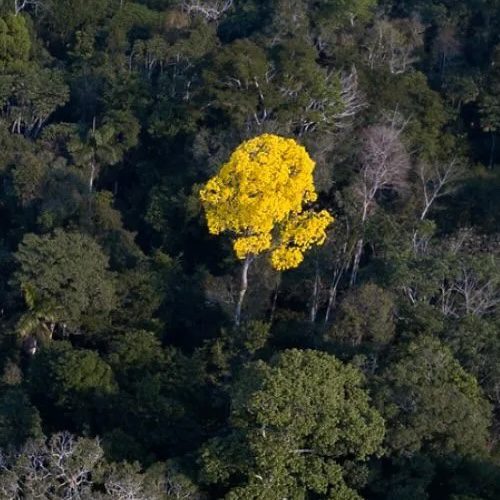
Botanical name:

Handroanthus serratofolius (old name Tabebuia serratofolia)

Alternative names:

Yellow lapacho, Yellow poui, Yellow ipe, Ipê-amarelo, Tawari

Main indications:

  • cancers
  • bacterial and mycotic infections
  • flu, colds
  • allergies

Short characteristics:

Tahuari (Tabebuia serratifolia) is a sacred Amazonian tree traditionally used for its powerful healing properties, particularly in treating tumors, promoting immune support, and supporting liver and kidney health.

It is a very simmilar tree to the more well known Lapacho (Pau d’Arco), the main difference being yellow instead of rose-colored flowers. Therapeutically the two trees are interchangeable.

Its bark contains bioactive compounds such as lapachol and beta-lapachone, which have demonstrated significant anticancer, anti-inflammatory, and antimicrobial effects—supporting its traditional use to inhibit tumor growth, reduce inflammation, and fight infections. Indigenous healers also use decoctions for respiratory illnesses, gastrointestinal problems, and skin wounds, leveraging its broad therapeutic spectrum. Modern scientific studies confirm that Tahuari’s compounds can induce apoptosis in cancer cells, support tissue regeneration, and reduce inflammation, validating its role as a vital plant in Amazonian herbal medicine. However, safety and efficacy are still being researched, emphasizing the need for cautious use under professional guidance.

The usual way of use:

Use 1-3 spoons of bark, boil it in just under 1 liter of cold water, and cook for 20 minutes over gentle heat after reaching a boil. Strain and drink one glass three times daily, either half an hour before or after meals.

Powdered herbal extract, whether in capsules or in powder form, should be taken twice a day. The dose depends on the potency—please follow the instructions on the label or consult your health practitioner for guidance.

WARNING: Tahuari can be used for a maximum of 3 months; after that, a minimum one-month break is recommended before resuming use.

Composition

The medicinal effectiveness of Tahuari primarily stems from its rich chemical constituents:

  • Lapachol: A naphthoquinone compound known for its antimicrobial, anti-inflammatory, and anticancer activities. It is one of the most studied phytochemicals present in the bark.
  • Beta-lapachone: A quinone derivative with notable antitumor and anticancer properties, capable of inducing apoptosis in cancer cells.
  • Alkaloids: Including harmane and harmine, which have demonstrated neuroprotective, anti-inflammatory, and antimicrobial effects.
  • Flavonoids: Such as quercetin and apigenin, supporting antioxidative activities and reducing inflammation.
  • Phenolic acids: Including chlorogenic acid, which aids in detoxification and cellular protection.

The combined presence of these compounds underpins the plant’s therapeutic potential, especially its ability to support immune and tissue health.


Traditional Use

For centuries, Amazonian tribes have relied on Tahuari in their everyday health practices:

  • Cancer and tumor support: Decoctions of the bark (lyuka) have been used to treat tumors, especially metastatic processes, with traditional hopes of inhibiting growth and supporting remission.
  • AIDS and immune support: Because of its immune-stimulatory properties, Tahuari is seen as a supportive agent in combating weakened immunity, especially in AIDS patients.
  • Liver and kidney health: Decoctions are used to support liver detoxification and kidney function, helping to eliminate toxins and treat inflammation in these organs.
  • Respiratory infections: Its antimicrobial and anti-inflammatory properties make it effective against viral and bacterial infections such as pneumonia, bronchitis, and hepatitis.
  • Gastrointestinal ailments: To treat stomach ulcers, gastritis, diarrhea, colic, and parasitic infections. Its anti-inflammatory and antimicrobial effects are helpful for intestinal health.
  • Skin conditions and wounds: The bark is used to wash wounds, burns, skin ulcers, and parasitic skin infections, promoting healing and preventing infection.

Indigenous tribes also used the bark and roots in infusions taken orally or applied externally, often in combination with other sacred plants like Vilcacora.


Precautions and Possible Interactions

While Tahuari has a long history of traditional use, modern science recommends caution:

  • Limited safety data: Long-term clinical trials are lacking, so use should be moderated and preferably supervised by a healthcare provider.
  • Potential toxicity: The plant contains bioactive compounds such as lapachol, which at high doses may cause liver toxicity or hemolytic effects in susceptible individuals.
  • Pregnancy and breastfeeding: Safety during pregnancy and lactation has not been established. Pregnant women should avoid high doses unless advised by a healthcare professional.
  • Drug interactions: Its immune-stimulating, antimicrobial, and anti-inflammatory effects could interfere with medications such as immunosuppressants, anticoagulants, or chemotherapy agents. Consultation with a healthcare provider is advisable before use, especially in serious health conditions.

Available Scientific Studies

Scientific validation supports many of Tahuari’s traditional claims:

  1. **“Antileishmanial Activity of Handroanthus serratifolius (Vahl) S. Grose (Bignoniaceae)”**
    Authors: Erica Vanessa Souza Costa et al. (2017)
    Overview: Evaluated leishmanicidal activity of ethanolic extracts, fractions, and isolated compounds from H. serratifolius. Key substances such as lapachol and derivatives displayed in vitro activity against Leishmania amazonensis.
    Link: https://www.ncbi.nlm.nih.gov/pmc/articles/PMC5329664/ResearchGate+11PMC+11ResearchGate+11ResearchGate

  2. **“Analysis of the Pharmacological Activities of Handroanthus serratifolius**”**
    Authors: F.A. de Almeida Macêdo et al. (2022)
    Overview: An integrative literature review spanning recent years. Consolidates findings on antibacterial, antinociceptive, antifungal, anti-inflammatory, antiparasitic, cytotoxic, antileishmanial, and antiplasmodial effects. Lapachol is highlighted as a major active compound.
    Link: https://rsdjournal.org/rsd/article/view/22891 Semantic Scholar+3RSD Journal+3RSD Journal+3

  3. **“Genus Tabebuia: A Comprehensive Review Journey from Past Achievements to Future Perspectives”**
    Authors: S.S. El‑Hawary (2025)
    Overview: Broadly examines the Tabebuia genus (now including Handroanthus), focusing on traditional uses, phytochemistry, pharmacological effects, and toxicity. Relevant bioactivities include anti-inflammatory, wound-healing, antimicrobial, and anticancer properties.
    Link: https://www.sciencedirect.com/science/article/pii/S1878535221000617ResearchGate+11ScienceDirect+11ResearchGate+11ResearchGate+10RSD Journal+10Semantic Scholar+10

  4. **“Anti‑Inflammatory and Cicatrizing Properties of the Tabebuia Genus: A Review”**
    Authors: M.C.A. Brito et al. (2021)
    Overview: Compiles therapeutic applications of Tabebuia species—including H. serratifolius—highlighting their antibacterial, anti-inflammatory (e.g., for rhinitis, pharyngitis), wound-healing, anti-ulcerogenic, antiviral, antineoplastic, antimalarial, and immunomodulatory properties.
    Link: https://rsdjournal.org/index.php/rsd/article/view/18072 Wiley Online Library+8RSD Journal+8ResearchGate+8

  5. **“Tabebuia impetiginosa: A Comprehensive Review on Traditional Uses, Phytochemistry, and Immunopharmacological Properties”**
    Authors: J. Zhang et al. (2020)
    Overview: Although focusing on a related species (T. impetiginosa), shares considerable overlap in pharmacological activities—such as anti-inflammatory, anticancer, and immunomodulatory effects—due to shared compounds like lapachol. This provides valuable context for similar activity in H. serratifolius.
    Link: https://www.ncbi.nlm.nih.gov/pmc/articles/PMC7571111/herbalreality.com+7PMC+7ResearchGate+7MDPI+11National Tropical Botanical Garden+11ResearchGate+11