

CANELILLA
Botanical name:
Aniba canelilla
Alternative names:
Casca preciosa, canelilla, falsa canela, preciosa
Main indications:
muscle and pain ease, in folk use
tense nerves, in folk use
respiratory comfort and colds, in folk use
folk malaria talk — folk, not proven
THIS PLANT IS PART OF THE SUSURRO DEL INIA HERBAL FORMULA.
Short characteristics:
Canelilla is Aniba canelilla, an Amazonian laurel. The bark smells of cinnamon and is sold as casca preciosa. The scent is 1-nitro-2-phenylethane (plus methyleugenol), not cinnamaldehyde. It is not true cinnamon.
Folk teas use the bark for pain, tense nerves, gut, and colds. Malaria appears on folk lists — say folk, not proven. Souza-Junior 2020 (opened in full) reviews the oil’s rodent and in-vitro cardiovascular and AChE work, and an oral LD50 around 720 mg/kg in mice. Rodent AChE work is not an Alzheimer’s trial. The oil is not for drinking.
Used in Susurro del Inia. This site sells nothing.
The usual way of use:
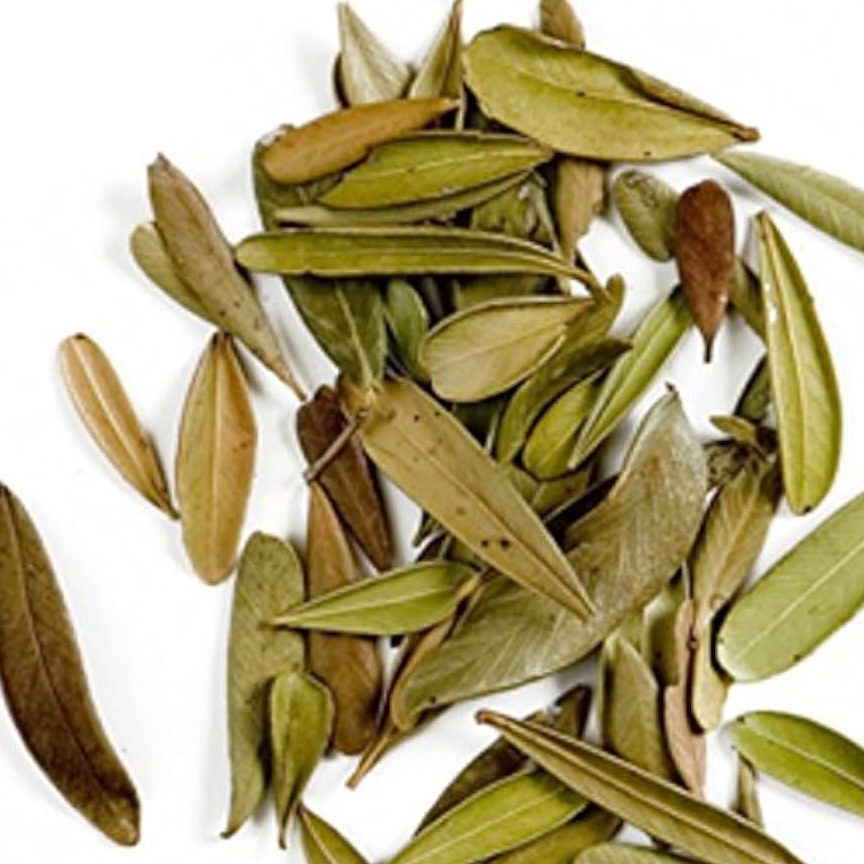
Dried bark soaked and boiled about 7 minutes as a tea. That is the internal folk use.
Essential oil from bark, stem, or leaf is a fragrance and a research object, not a drink. This site sells nothing.
WARNING: Do not drink the essential oil. Mouse oral LD50 of the oil is about 720 mg/kg (Souza-Junior). Not a malaria or Alzheimer’s medicine.
Composition
1-nitro-2-phenylethane is the cinnamon-like odorant, with methyleugenol. Not cinnamaldehyde. Souza-Junior 2020 is the opened full-text review.
Traditional use
Amazonian bark tea for pain, nerves, gut, and colds. Folk malaria lists exist. Formula: Susurro del Inia.
Precautions
Oil is not a beverage. Pregnancy unknown. Do not cite de Campos rodent memory as a human Alzheimer’s trial.
Opened studies
Souza-Junior et al. (2020). Aniba canelilla essential oil: 1-nitro-2-phenylethane chemistry and pharmacology. Frontiers in Pharmacology. Opened in full; rodent/in-vitro CV and AChE; EO oral LD50 ~720 mg/kg in mice. PMID 32528283 · doi:10.3389/fphar.2020.00699.