

EPAZOTE
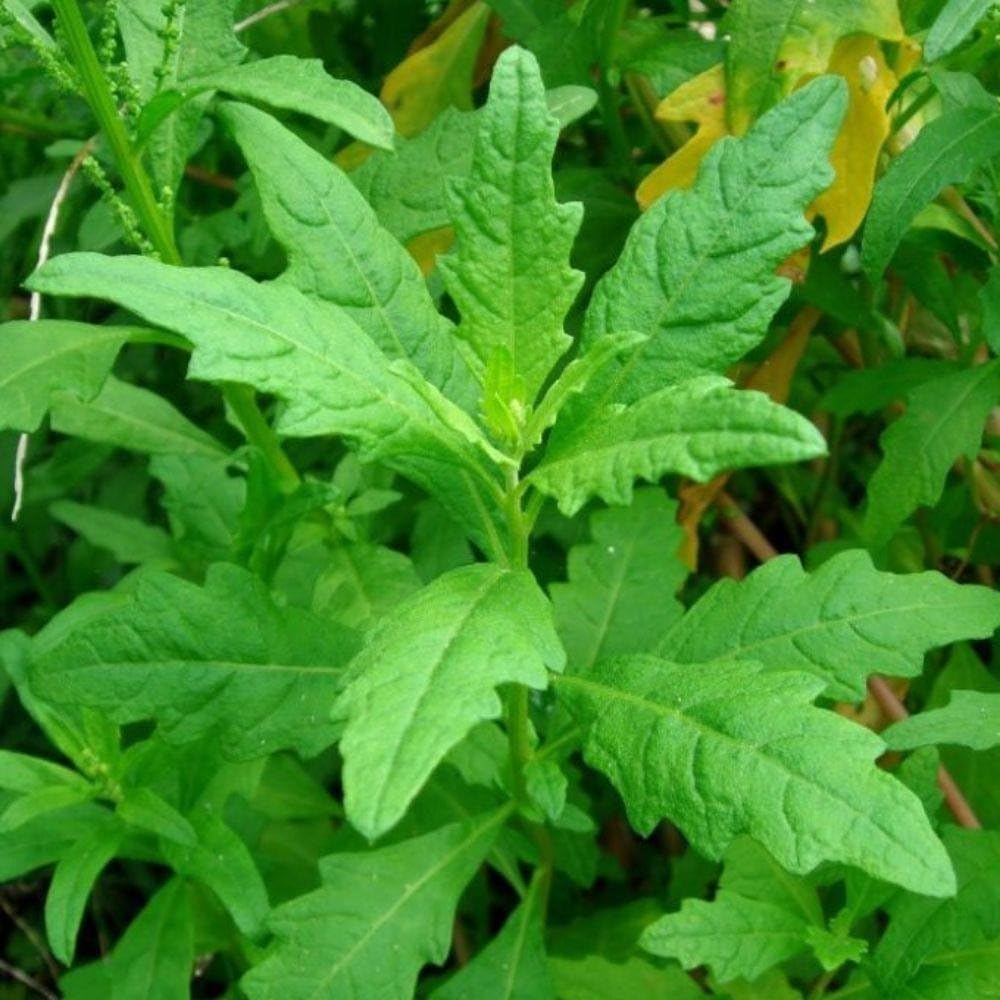
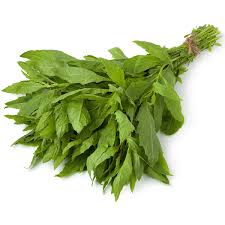
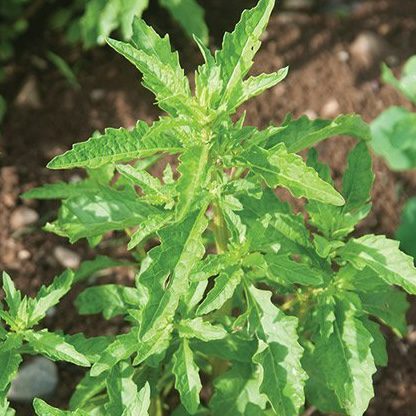
Botanical name:
Dysphania ambrosioides (formerly Chenopodium ambrosioides)
Alternative names:
Epazote, Mexican tea, wormseed, paico, payco
Main indications:
bean-pot herb
folk worm tea — oil is the danger
Short characteristics:
Epazote is Dysphania ambrosioides (old name Chenopodium ambrosioides), a Mesoamerican pot herb with a wormwood-and-petrol leaf. It traveled. You will meet it as paico in the Andes and as a weed almost everywhere. It is not an Amazonian endemic.
Cooks put a sprig in beans. Folk medicine used stronger teas and, worse, the essential oil as a worm cure. Ascaridole in that oil is toxic. Kitchen sprigs are food. Wormseed oil is a historical poison with a folk reputation, not a home dewormer.
The usual way of use:
A sprig in the pot — food. That is the use that belongs in a kitchen. Do not drink essential oil. Do not give “wormseed oil” to children. Do not run a parasite cleanse with this plant. If you have worms, that is a clinic problem, not a Dysphania problem.
Composition
The leaf used in cooking is a strong aromatic. The distilled oil is another object: ascaridole (an endoperoxide), plus carvacrol and caryophyllene oxide in many samples. Ascaridole is the compound that made “oil of chenopodium” a 19th- and 20th-century anthelmintic — and the compound that got people killed when the dose slipped.
- Ascaridole: endoperoxide; iron-activated radical chemistry; the toxicity story.
- Carvacrol and caryophyllene oxide: other major oil constituents in Monzote’s analyses; they hit mitochondria too.
- Cooked leaf ≠ oil: a sprig in beans is not a dropper of wormseed oil.
Traditional Use
Mesoamerican cooking and household medicine used the plant for beans, wind, and worms. Andean paico is the same species in a different kitchen. The folk parasite use is real. So is the reason pharmacies stopped selling the oil.
- Culinary: beans, soups, a sprig.
- Folk worms and “empacho”: historical. Not a protocol to copy.
Precautions and Possible Interactions with Medicines
The essential oil is dangerous. That is not a polite hedge. Oil of chenopodium caused poisonings — neurological, hepatic — and is not a home remedy. Ascaridole’s mitochondrial toxicity is published, not folklore.
- Do not ingest the essential oil. Not for parasites, not for “cleanse,” not for children, not ever as a folk drug.
- Pregnancy: no medicinal epazote.
- Children: food sprig in a family pot is one thing; worm teas and oil are not.
- Liver or kidney disease: no medicinal use.
- Anthelmintics you were prescribed: do not stack a folk oil on them.
Available Scientific Studies
Two papers on the oil and the genus. Read them as a toxicity file.
“Toxic effects of carvacrol, caryophyllene oxide, and ascaridole from essential oil of Chenopodium ambrosioides on mitochondria”
Authors: Monzote L, Stamberg W, Staniek K, Gille L (2009)
Overview: Oil constituents impair mammalian mitochondrial function. Ascaridole’s toxicity jumps in the presence of Fe²⁺ via carbon-centered radicals and lipid peroxidation. This is the mechanistic warning behind the old wormseed-oil poisonings.
Link: https://pubmed.ncbi.nlm.nih.gov/19666043/“Essential oils from Dysphania genus: Traditional uses, chemical composition, toxicology, and health benefits”
Authors: Dagni A, Hegheș SC, Suharoschi R, Pop OL, Fodor A, Vulturar R, Cozma A, Aniq Filali O, Vodnar DC, Soukri A, El Khalfi B (2022)
Overview: Genus review: traditional uses, oil chemistry, and toxicology, including ascaridole, carvacrol, and mitochondrial effects. Contraindications listed include pregnancy, small children, and liver or kidney disease. Use this as a brake, not as a recipe.
Link: https://pmc.ncbi.nlm.nih.gov/articles/PMC9773091/