

NOPAL
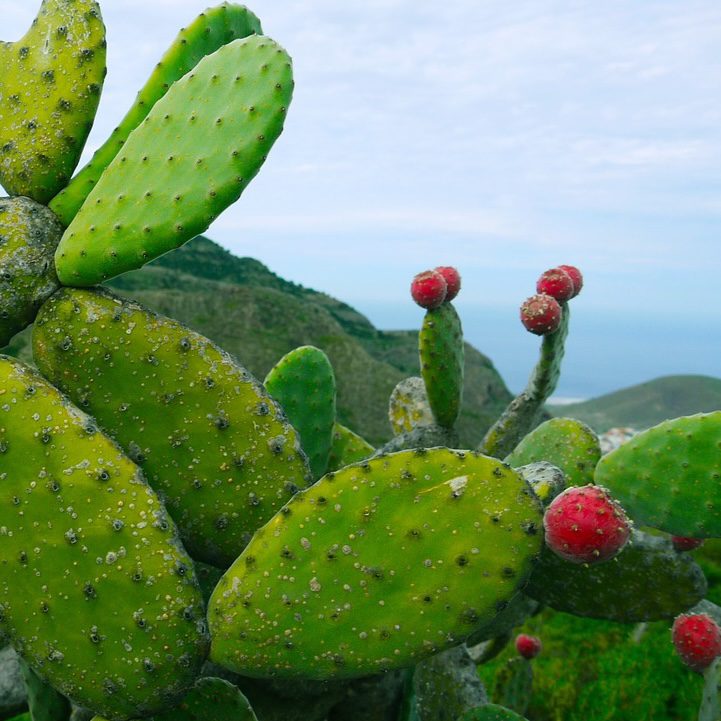
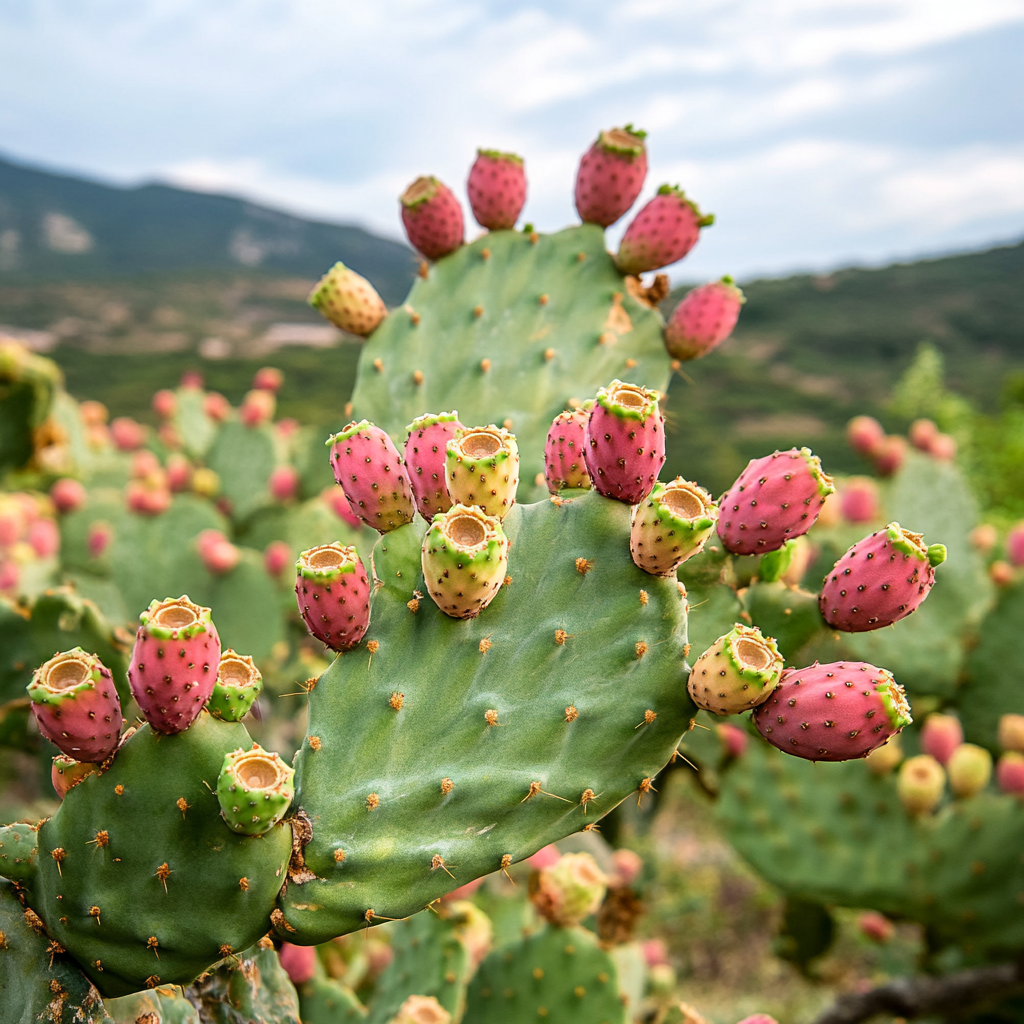
Botanical name:
Opuntia ficus-indica (L.) Mill.
Alternative names:
Nopal, nopalito, prickly pear, tuna (fruit), Barbary fig
Main indications:
Mesoamerican food cactus
pads as a vegetable
fruit as food
folk post-meal comfort
Short characteristics:
This is a Mexican and Mesoamerican cactus vegetable. Pads and fruit go on a plate. It is not Amazonian and not a shaman plant. One breakfast study used 300 g steamed pad. That is food sitting in a meal, not a clinic protocol.
López-Romero 2014: GI about 32; 14 people with type 2 diabetes; a high-carbohydrate breakfast plus nopal lowered glucose AUC. El-Mostafa 2014 is a composition review — do not copy its disease list as indications. This site sells nothing.
The usual way of use:
Cook the pads (spines off) or eat the fruit. Steamed pad in the Mexican breakfast study was 300 g.
Capsules are a different object; this site does not sell them.
WARNING: High fiber can bloat. If you use insulin or other glucose-lowering drugs, a big plate of nopal is still food that can move a post-meal curve — watch numbers; do not self-prescribe.
Composition
Mucilage and fiber (pectin, cellulose), betalains in fruit, flavonoids, vitamin C, minerals.
Traditional use
Mesoamerican food; folk metabolic talk. Not Amazonian.
Precautions
Bloating, rare cactus allergy, interaction with hypoglycemics as food-fiber, not as a licensed drug.
Opened studies
López-Romero et al. (2014). Nopal in a breakfast test in people with type 2 diabetes. n=14; glucose AUC down with HCB+nopal. PMID 25132122.
El-Mostafa et al. (2014). Opuntia ficus-indica composition review. Do not copy the disease list as indications. PMID 25232708 · PMC6270776.