

CAT’S CLAW
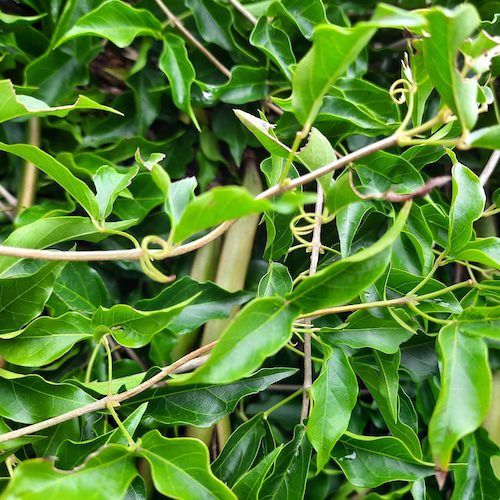
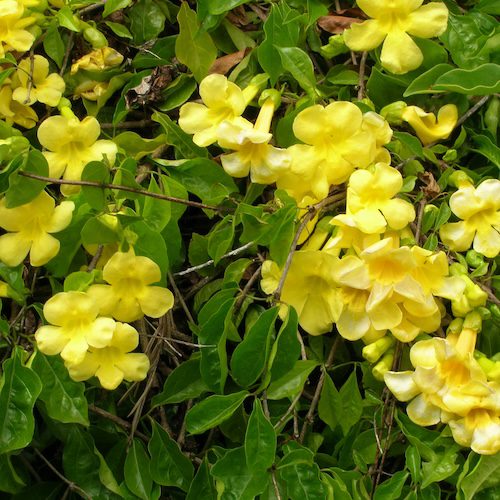
Botanical name:
Uncaria tomentosa (the usual medicinal bark). U. guianensis is a related vine with a different alkaloid balance (more TOA, fewer POA). They are not the same product.
Alternative names:
Vilcacora, uña de gato, cat’s claw
Main traditional uses:
traditional immune tone after illness
inflammatory gut discomfort, in folk and some trial use
joint and rheumatic aches — including a small rheumatoid-arthritis trial on a POA extract
recovery when the system feels run down
Not a treatment for cancer, Lyme, Crohn’s, or cirrhosis. Used in Elixir del Quetzal, Mezcla Jaguar, and Esencia de Mariposa Azul.
This herb is part of Elixir del Quetzal, Mezcla Jaguar, and Esencia de Mariposa Azul.
Short characteristics:
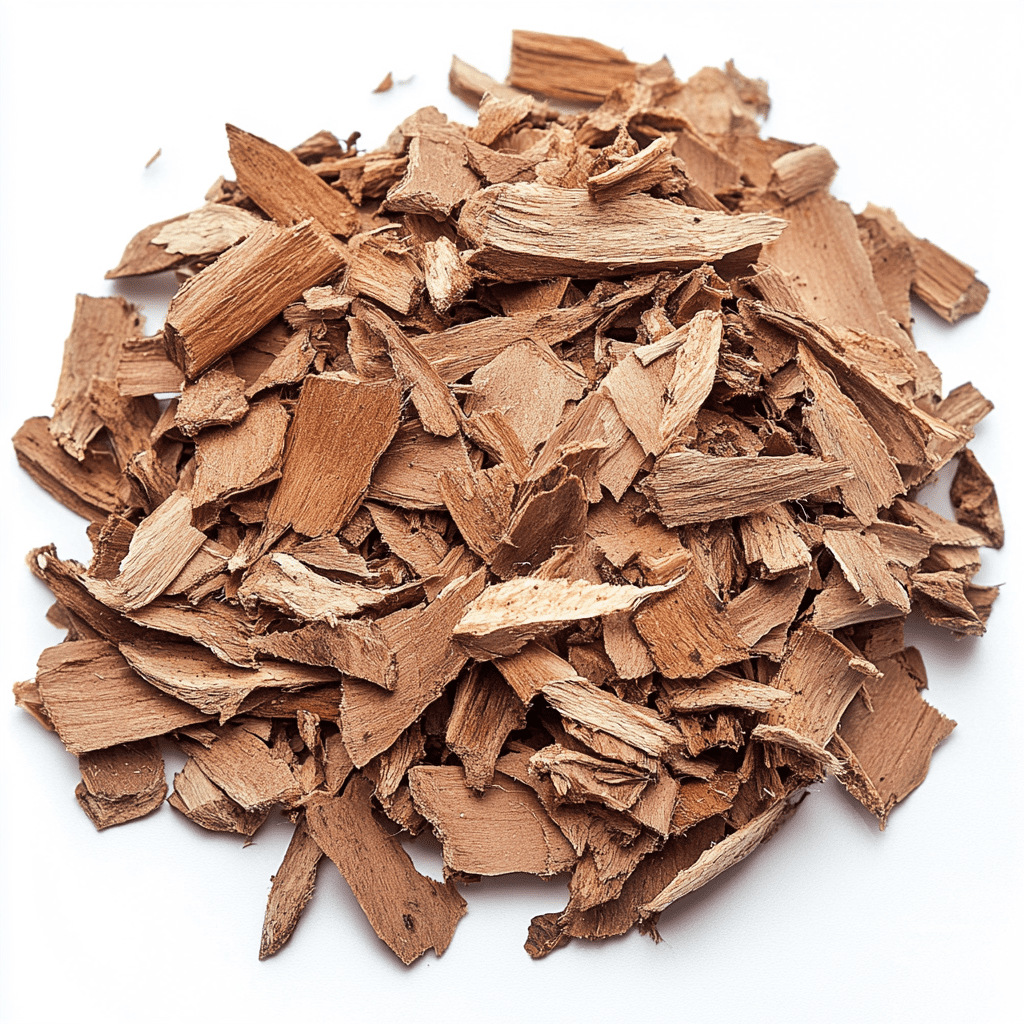
If I had to keep one Amazonian bark for everyday immune and inflammatory support, it would be cat’s claw. The inner bark of Uncaria tomentosa is rich in pentacyclic oxindole alkaloids (POAs). Those are the compounds most of the immune papers are about.
Shop labels often mix U. tomentosa with U. guianensis. The second species is heavier in tetracyclic oxindole alkaloids (TOAs), which can work against the POA immune effect. Ask for the species, or you are buying a different plant.
Lab work shows immune modulation and, in some models, apoptosis of damaged cells. Mur 2002 is a small rheumatoid-arthritis trial, not an oncology license. This is a respected bark for recovery and inflammatory load, used with respect for the gut and for anyone on immune-suppressing drugs.
The usual way of use:
Cook 3 to 10 grams of dried inner bark for up to 20 minutes. Soaking the bark 20 minutes before the cook is a habit I follow.
Larger pieces keep better; fine fiber uses less material. Powdered extracts are easier in a mix because raw barks do not share one cook time. This site sells nothing.
WARNING: Not a cancer, Lyme, or cirrhosis medicine. LiverTox lists Uncaria case reports of liver injury. Pause if you take immunosuppressants, anticoagulants, or have active liver disease, and talk to a clinician. Pregnancy: do not self-dose.
Composition
The bark chemistry people argue about is the oxindole split: POAs (pteropodine, isopteropodine, mitraphylline and kin) versus TOAs (rhynchophylline group). U. tomentosa is the POA plant in most immune papers. U. guianensis is not a synonym. Triterpenes and polyphenols ride along. Heitzman’s 2005 Uncaria review is the genus map; it is not a dose chart.
Traditional use
Amazonian bark decoction for recovery, inflammatory gut, and rheumatic aches. Traditional talk has also named serious immune and tumor illness; that talk is folk, not a protocol. House formulas that use this bark: Esencia de Mariposa Azul, Mezcla Jaguar, Elixir del Quetzal.
Precautions
Liver injury case reports exist (LiverTox). People on transplant drugs or other immunosuppressants should not add an “immune bark” on a guess. TOA-heavy product is a different intervention. Pregnancy unknown. This site sells nothing.
Opened studies
Mur et al. (2002). Randomized double blind trial of an extract from the pentacyclic alkaloid-chemotype of Uncaria tomentosa for the treatment of rheumatoid arthritis. Small RA trial on a POA chemotype extract. PMID 11950006.
Sandoval et al. (2002). Anti-inflammatory and antioxidant activities of cat’s claw (Uncaria tomentosa and Uncaria guianensis) are independent of their alkaloid content. Species and alkaloid split in the lab. PMID 12222661.
Heitzman et al. (2005). Uncaria: a review of its botany, chemistry, and pharmacology. Genus review. PMID not listed in the opened-citation plan; not invented here.
LiverTox (2019). Cat’s claw (Uncaria tomentosa). NIH liver-toxicity monograph; case reports, not a trial. NBK548323.