

HERCAMPURI

Botanical name:
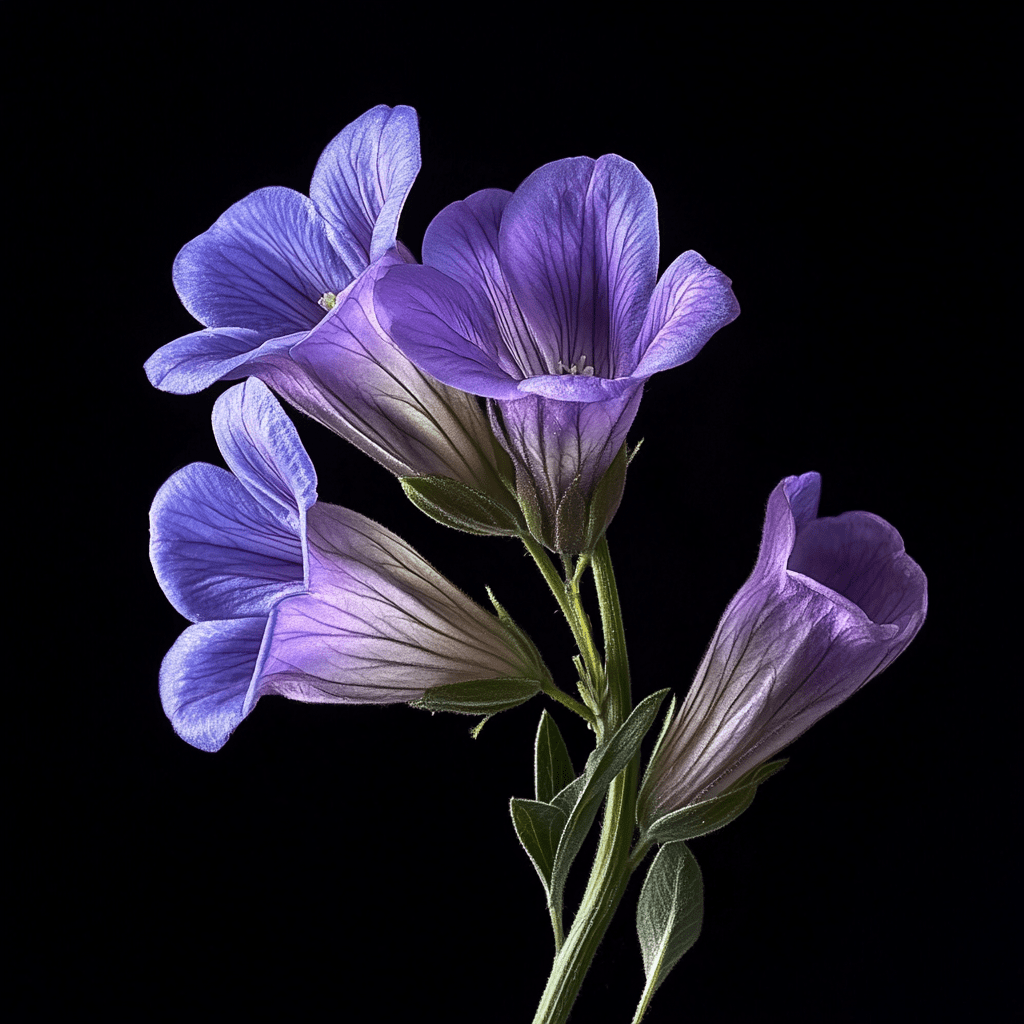
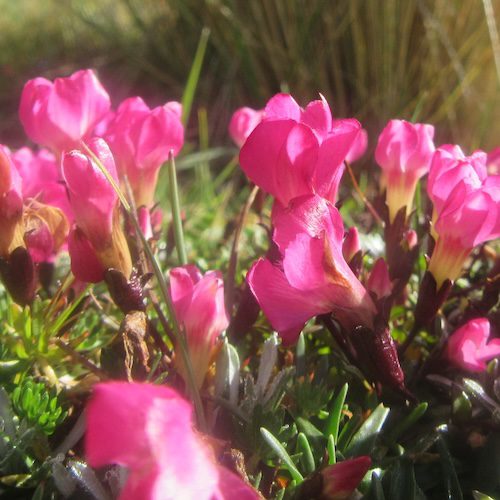
Gentianella nitida (Griseb.) Fabris; also G. alborosea (Gilg) Fabris in the literature.
Alternative names:
Hercampuri, hircampure, té amargo
Main indications:
Andean bitter tea
folk liver / bile talk
folk “fat” talk
THIS PLANT IS PART OF THE LLUVIA SAGRADA HERBAL FORMULA.
Short characteristics:
It tastes like a punishment. That is the point of a gentian. Hercampuri is high-Andes Gentianella, not an Amazonian vine. Lima stalls sell several Gentianella species under one name; G. alborosea is common in books and was missing from one market survey. A bitter tea is not a liver-disease protocol.
Bussmann 2013 is the opened market/ethnobotany paper. Kawahara 2001 isolated amaronitidin — chemistry, not a trial. This site sells nothing.
The usual way of use:
Short bitter infusion of aerial parts.
Powdered “hercampuri” cannot be identified by eye. This site sells nothing.
WARNING: Do not run it for months because a stall said “diabetes.” Gentians can be harsh. G. thyrsoidea has been flagged as nastier than vendors admit. Not for pregnancy.
Composition
Secoiridoids (amarogentin, amaroswerin, amaronitidin), xanthones including mangiferin in some work.
Traditional use
Andean bitter, cholagogue talk, later metabolic marketing. Not Amazonian.
Precautions
Nausea; unknown species in the powder; not for pregnancy; not cirrhosis or a cholesterol drug.
Opened studies
Bussmann et al. (2013). Lima medicinal-plant markets. Journal of Ethnobiology and Ethnomedicine. Opened; market names vs species. PMID 23721210 · PMC3738155.
Kawahara et al. (2001). Amaronitidin isolation from Gentianella. Chemistry, not a trial. PMID 11411536.