Contact Info

CUTI CUTI

Botanical name:

Myriopteris myriophylla (formerly Cheilanthes myriophylla)
 

Main indications:

  • diabetes
  • inflammation of pancreas
  • pancreatic cancer
  • menstrual disorders

THIS PLANT IS PART OF THE ELIXIR DE QUETZAL HERBAL FORMULA.

Short characteristics:

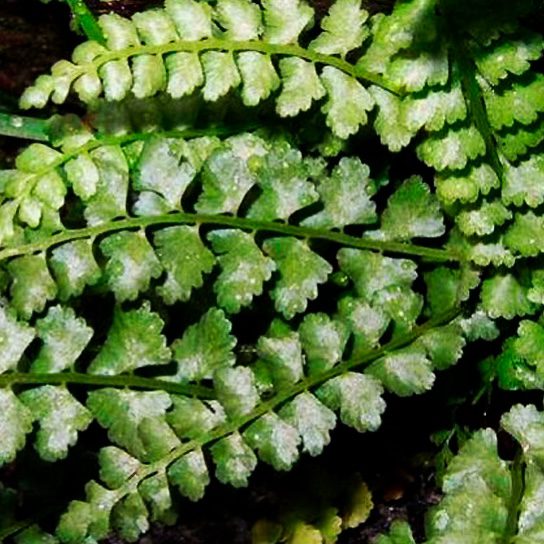
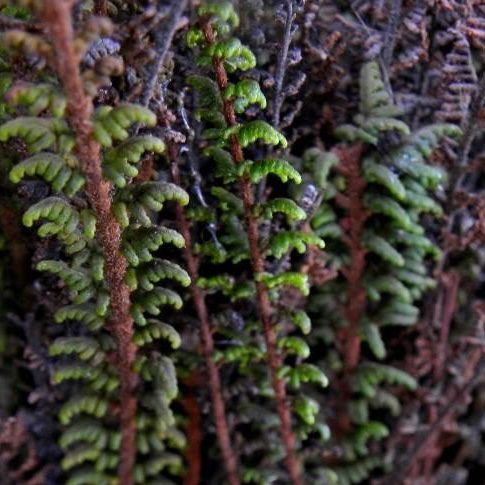
Cuti Cuti (often called just Cuti) is a traditional Peruvian fern widely valued for its therapeutic properties, particularly in the management of diabetes and related metabolic disorders. Indigenous communities of the Andes have used decoctions of its fronds and rhizomes to help regulate blood sugar levels, thanks to its bioactive components that support carbohydrate metabolism. Cuti is also known for its anti-inflammatory effects and its ability to promote cell regeneration in the pancreas, making it beneficial in treating chronic pancreatic inflammation and even tumors. Beyond its hypoglycemic properties, it is used to regulate menstrual cycles, support detoxification, and improve overall metabolic health. Its mucilaginous content eases coughing and helps clear mucus, making it a natural remedy for colds, flu, and respiratory infections. Often gathered from rocky, waterfall-rich environments of the Andes, Cuti’s multifaceted properties have earned it a reputation as a plant that maintains and restores vital bodily functions, especially in cases of diabetes, pancreatic issues, overweight, and respiratory illnesses.

The usual way of use:

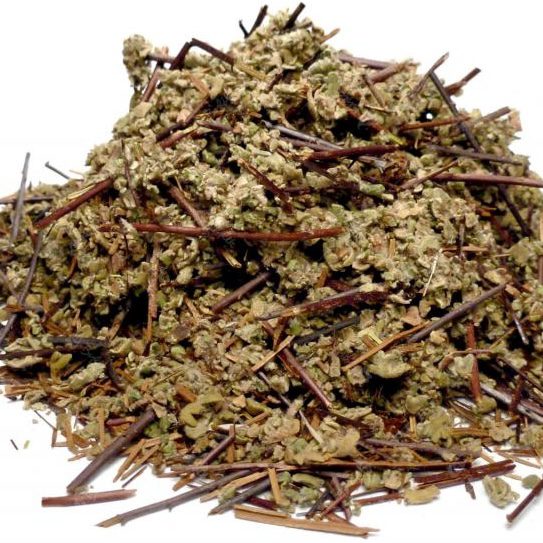
Cuti Cuti decoction is prepared in the evening and left to macerate overnight.

Pour 500 ml of cold water over 2 tablespoons of dried herb, bring to a boil, and simmer on low heat for 5 minutes. Leave the decoction covered with a loose cotton cloth overnight. Strain in the morning. Drink 1 cup twice a day, on an empty stomach and before lunch.

Powdered herbal extract, whether in capsules or in powder form, should be taken twice a day. The dose depends on the potency—please follow the instructions on the label or consult your health practitioner for guidance.

Composition

The medicinal efficacy of Cuti lies in its rich phytochemical profile, although detailed chemical analyses are limited compared to more studied herbs. The key bioactive components include:

  • Polysaccharides and mucilages: These complex carbohydrates give the fern its characteristic slimy texture, which supports its mucilaginous properties essential for soothing mucous membranes and aiding digestion.
  • Flavonoids: Compounds such as quercetin and kaempferol are known for their antioxidant and anti-inflammatory activities.
  • Phenolic acids: Including chlorogenic acid, which supports detoxification and cellular health.
  • Alkaloids and other secondary metabolites: These contribute to anti-inflammatory and metabolic regulation effects.

Overall, the mucilaginous and phenolic compounds are believed to modulate blood sugar levels and support tissue regeneration, especially in the pancreas.


Traditional Use

The primary traditional use of Cuti is in the regulation of blood sugar levels and treatment of diabetes, notably type II. Indigenous Andean peoples prepare decoctions by boiling parts of the fern, especially fronds and rhizomes, and consume the resulting tea regularly to help control blood glucose.

Beyond blood sugar regulation, Cuti is also employed in the treatment of:

  • Chronic pancreatitis: To support pancreatic health and regenerate tissue.
  • Inflammatory conditions: Such as arthritis and general inflammation, owing to its anti-inflammatory properties.
  • Menstrual regulation: To help regulate irregular cycles.
  • Respiratory issues: Its mucilaginous content soothes coughs and helps expel mucus, making it effective for colds, influenza, and bronchitis.
  • Detoxification and metabolic support: As part of holistic health practices, supporting the body’s natural cleansing processes and improving overall vitality.
  • Preventive health: Used to maintain the proper functioning of vital organs, particularly the liver, kidneys, and pancreas.

Indigenous healers regard Cuti as a “natural regulator,” supporting the body’s resilience and restoring balance at multiple levels.


Precautions and Possible Interactions

While traditionally considered safe in customary doses, modern scientific studies are limited, and caution should still be exercised:

  • Limited clinical data: There are no extensive safety trials, so long-term use or high doses should be approached carefully.
  • Drug interactions: Since Cuti is believed to regulate blood sugar, it could potentially enhance the effects of antidiabetic medications, causing hypoglycemia. It is crucial for diabetics to monitor blood glucose levels closely when using this herb and consult healthcare providers before supplementing.
  • Pregnancy and breastfeeding: No sufficient evidence exists on safety during pregnancy and lactation; thus, pregnant women should avoid high doses unless advised by a healthcare professional.
  • Allergic reactions: People sensitive to ferns or related plants should also exercise caution, as allergic responses are possible.

In all cases, it’s best to seek guidance from an herbalist or healthcare provider especially when combining traditional herbs with pharmaceutical treatments.


Available Scientific Studies

While much of Cuti’s traditional use is supported by ethnobotanical knowledge, scientific evidence from laboratory and animal studies is limited but promising:

Title: Cheilanthes myriophylla / Cheilanthes pruinata (Pteridaceae)
Authors: Javier Echeverría, Narel Y. Paniagua‑Zambrana, Rainer W. Bussmann
Overview: This reference entry from Ethnobotany of the Andes (2020) notes the local medicinal use of the infusion of aerial parts of C. myriophylla to relieve fever and cough in Chile.
Link: https://link.springer.com/referenceworkentry/10.1007/978-3-030-28933-1
PMC+9SpringerLink+9Wikipedia+9