Why Amazonian Herbs: Unlocking Nature’s Ancient Wisdom for Modern Well-Being
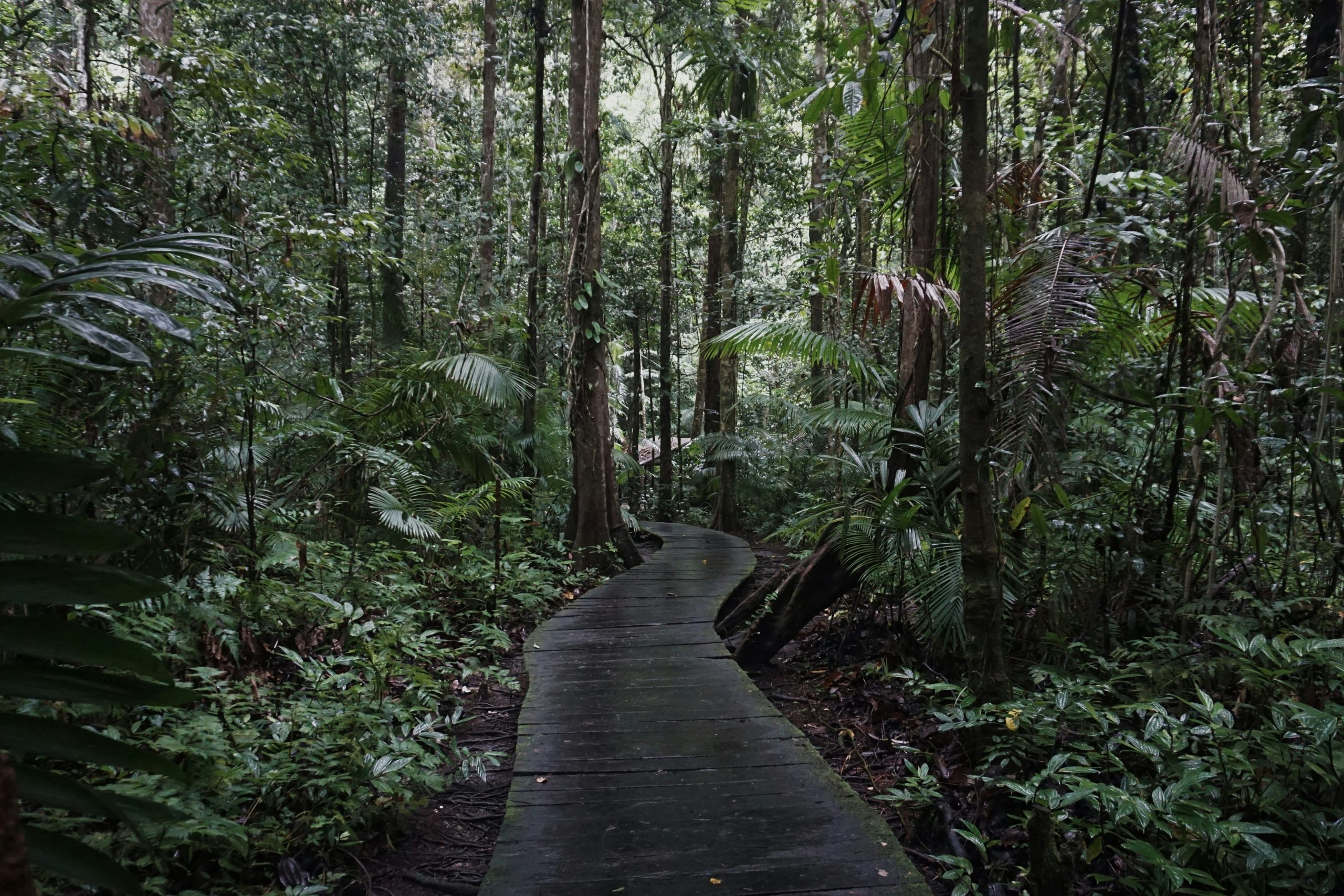
In the dense, vibrant rainforests of the Amazon and the sophisticated herbal traditions of Mesoamerica, centuries-old knowledge about healing plants has been passed down from generation to generation. These herbs, regarded as sacred gifts from nature, have been used not merely as remedies but as a holistic system of health—integrating the body, mind, spirit, and environment. Today, scientific research is increasingly validating the incredible potential of Amazonian herbs: a treasure trove of biochemical compounds that could change the way we approach health and healing.
A Legacy Rooted in Balance and Respect
Indigenous peoples of the Amazon, from the shamans of Peru to the herbalists of Mexico, have developed a deep relationship with their environment. They see plants as living entities with spiritual and energetic qualities, capable of restoring harmony within the human body. This holistic perspective is increasingly embraced worldwide as a counterbalance to the often chemical-heavy, symptom-focused medicine of today.
Herbs like Chuchuhuasi help reduce inflammation and support joint health; Uña de Gato boosts immune defenses and fights chronic inflammation; Sangre de Grado accelerates tissue repair and fights infections.
The Amazonian rainforest is such a rich source of various plants that many of them are endemic to the region – meaning they do not grow anywhere else in the world. And while some Amazonian herbs do have local alternatives in Europe, Asia, Noth America or Africa, some are unique and extremely potent. Take, for instance, the famous Chanca Piedra (Phyllanthus niruri): the way this herb removes kidney stones and cures a variety of nephrological and urological problems is unmatched by any other known plant (or medical drug for that matter).
These plants are woven into daily life—not as quick fixes, but as part of a balanced, long-term approach to wellness. In local native American cultures, they are viewed as partners and teachers on the way to complete physical, mental and spiritual health, not just ingredients.
Scientific Validation: The Power of Nature Confirmed
Modern science is now catching up with this ancient knowledge. Numerous studies validate the medicinal properties of Amazonian herbs, revealing complex groups of bioactive compounds such as alkaloids, flavonoids, tannins, and quinones that possess antioxidant, anti-inflammatory, antimicrobial, and even anticancer effects.
For example, Uña de Gato (Uncaria tomentosa) has been extensively studied. Research published in the Journal of Ethnopharmacology (2012) describes how its alkaloids can stimulate the immune system and modulate inflammatory responses (Gonzalez et al.). Similar studies highlight its potential to help with autoimmune diseases and support cancer treatments, making it a versatile immune-stimulating herb.
Sangre de Grado (Croton lechleri)—the tree resin known as “dragon’s blood”—has demonstrated remarkable tissue-regenerating and antimicrobial properties. A 2016 study* confirmed its ability to stimulate wound healing and reduce bacterial infections, making it invaluable in treating skin injuries and ulcers.
Meanwhile, Chuchuhuasi (Maytenus krukovii) and Pasuchaca (Geranium spp.) are gaining recognition for their anti-inflammatory and detoxifying effects, which are crucial for restoring health in detox protocols—helping cleanse the liver, kidneys, and blood.
In fact, the increasing number of clinical trials and phytochemical studies confirms what indigenous healers have maintained: these plants contain potent compounds that work synergistically to restore balance and vitality, often with fewer side effects than synthetic drugs.
Not Just Remedies—A System for Whole-Body Wellness
What makes Amazonian herbs truly remarkable is their role in promoting resilience and vitality. Unlike isolated pharmaceuticals that target specific symptoms, these plants work holistically to strengthen the immune system, improve mental clarity, support digestion, and balance chakras or energy fields—concepts often dismissed in Western medicine but central in indigenous traditions.
Many herbs are adaptogens, helping the body adapt to stress, restore energy, and prevent illness. Guayusa, for example, while known for its stimulating caffeine content, also contains antioxidants that combat oxidative stress and support mental tranquility—offering a balanced boost of energy without jitters.
The use of these herbs aligns with the current global shift toward integrative health—a flexible approach that combines traditional wisdom with scientific validation, emphasizing prevention and optimal functioning.
Bridging Ancient Wisdom and Cutting-Edge Science
Today, ethnobotanists, phytochemists, and herbalists are working together to explore and validate Amazonian herbology. Scientists are isolating active compounds, understanding their mechanisms, and developing herbal-based supplements, teas, and medicines that respect traditional practices.
For instance, Taspine, an alkaloid found in Sangre de Grado, is being studied for its remarkable tissue regenerative properties—mirroring the shamans’ view that plants are healers not just of the body but of the spirit.
This collaboration is crucial for sustainable harvesting and ethical sharing of indigenous knowledge, ensuring that local communities benefit from the fruits of their ancient understanding while preserving biodiversity.
How Can Amazonian Herbs Help You Today?
If you’re seeking a natural way to enhance your vitality, reduce inflammation, or strengthen your immune defenses, exploring Amazonian herbs is like opening a portal to nature’s ancient pharmacy. As the herbal traditions of the rainforest and mountains have shown for centuries, these plants are designed to support our body’s innate healing capacity—often working in harmony with our natural rhythms and energy fields.
Many of these herbs can be incorporated into modern wellness routines through teas, tinctures, capsules, or topical preparations. Whether you’re looking for a gentle immune boost, a way to reduce chronic inflammation, or simply to reconnect with nature’s healing power, Amazonian herbs offer a rich and diverse toolkit rooted in centuries of indigenous wisdom.
Why Embrace Amazonian Medicine?
- Holistic Approach: These herbs support mind, body, and spirit—balancing emotions, energy, and physical health.
- Locally Sourced & Sustainable: When harvested responsibly, they promote conservation and respect for Amazonian ecosystems.
- Complementary Therapy: They can enhance conventional treatments or serve as preventive health strategies.
Final Thoughts
The traditional herbal systems of the Amazon are more than just ancient healers’ secrets—they are a living, breathing legacy of nature’s brilliance. Integrating this knowledge in our daily lives not only enriches our health but also fosters respect for the rich biodiversity and cultural heritage of the world’s most vital rainforest.
By reconnecting with these time-honored plants, we tap into a profound source of healing—one that connects us deeply to the Earth, the forest, and each other.